
cancer epidemic 768x455

Why Are There So Many Cancers?

This is an “anthology” of sorts about the etiology of the current cancer epidemic-pandemic. Please feel free to respond to this article with your opinion so that we can better develope a idea of how our content is being recieved and percieved by our audience.

C-A-N-C-E-R is the word that strikes horror in the hearts and minds of every human alive.  However, that always was not the case.  I’m old enough to remember when cancer was a rather ‘rare’ disease or condition.  Furthermore, I know medical doctors a little older than my ‘vintage’ who say that when they were in medical school, they were not taught very much about cancer, so much so, that when a cancer patient was in one of the wards in a teaching hospital, the entire class of physicians-in-training was trotted in to see that patient.  How interesting?

Personally, I’m of the belief that there is not very much new under the sun EXCEPT what’s being designed and created by genetic modification and geoengineering.  Cancer, undoubtedly, has been around in some form probably since very ancient times.  However, the current ‘plague of cancers’, even though not an anomaly since just about everyone and his or her brother has or had it, became ‘profitable’ during the latter half of the twentieth century.

There is no doubt that cancer, as an ‘industry’, will become even more problematic—plus profitable—to the point where every person probably will contract cancer in some form or other, almost as if by some ulterior design.  Why do I say that?  Because of how cancer has been made into a “profitable business,” revenue stream and profit center for varied and numerous vested interests, when there actually are cancer cures controlling vested interests suppress or even keep for themselves.  Is that too harsh to hear?  Well, have you recently looked into or checked out the ridiculously-priced costs of cancer treatments and protocols?  Like all wars, the “war on cancer” is profitable for vested interests.

For starters, the average cost of a new cancer drug is over $100,000 per year.

Newly-approved cancer drugs can cost about $10,000 on average per month, while some can top off at around, or over, $30,000 a month.

Contrast those prices with the cost of cancer drugs a decade or so ago, which were a mere ‘smidgen’ of only $4,500 a month.  Talk about inflation, or is it medical-pharma rip-off time?  Owning a ‘cancer insurance’ policy really doesn’t help defray many of those costs either.  Usually a cancer policy will state that it provides a lump sum payment for “a covered cancer” or a recurrence of cancer.   Some policies will provide a lump sum cash payout of X dollars upon diagnosis and that’s it!

This website  gives the “average” medical costs for various types of cancers.

What do you think is the average salary an oncologist pulls in? That salary can range from approximately $294,000 to $383,000 per year.  However, how do doctors feel about taking chemotherapy for themselves? When polled, the results showed “75% of physicians in the world refuse chemotherapy for themselves.”  Isn’t that interesting?

In this article, “If Chemotherapy Fails 97% Of The Time, Why Do Doctors Recommend It?” you may begin to understand that doctors don’t learn to cure anything!  “They learn about chemicalintervention or surgery to suppress symptoms. They don’t go for the root cause.” (That would put them out of business!)

So how did allopathic medicine and humans become ‘partners’ in cancer?

The first documented case of cancer comes from ancient Egypt. According to the American Cancer Society, there are eight documented cases of breast cancer found on papyrus dating all the way back to 3000 B.C. Even the term cancer has been around for centuries— Hippocrates, the Greek physician who is widely considered the Father of Medicine, used the words carcinos and carcinoma to describe tumors.

Incidentally, there is no mention of cancer per se, even though other diseases are mentioned, in the Old and New Testaments of the Bible.  However, individual interpretations, though, may lead some to conclude differently.

Cancer as a rarity in ancient times is not disputed, although some fossilized bone tumors have been found in ancient human mummies.  The dreaded disease of antiquity was leprosy or what’s known in modern times as Hansen’s disease.

During the Renaissance in Europe, a better understanding of the human body began to develop and that led to more diagnostics, especially once post mortem operations (autopsies) became more of a routine procedure after death.  The Renaissance’s Michelangelo, sculptor of “David,” was known to perform detailed anatomical dissections of “fresh cadavers,” which obviously led to his ability to ‘create’ a marble man of extreme anatomical elegance.  Additionally, the invention of the microscope moved pathogenesis along to a great degree of sophisticated knowledge regarding diseased tissues.

It wasn’t until the 1900s that the ‘modern’ or current understanding about cancer and things called “carcinogens” began to appear in science and medicine.   Coincidentally, or more accurately I say, parallel tracks relating to certain diseases began to manifest too.  Those parallels encompassed man-made chemicals and cancer demographics!  Currently the ‘buzz words’ also include epigenetics.

What went wrong

Some of the most egregious assaults upon the human organism that contribute to cancers are the inordinate use and amounts of toxic chemicals placed into food and water—deliberately!  Food growing, processing, preserving, coloring and taste enhancement-chemicals do not belong in food—period!  They adulterate food and our bodies causing biochemical and nutritional imbalances, including genotoxic DNA problems that program cancers.  Neither do most of the man-made chemicals used in water treatment facilities belong in water—the second-most vital element, besides air, for maintaining life.

In my July 2016 book, Eat to Beat Disease, Foods Medicinal Qualities, I devote the Introduction to chronicling how agriculture and the food chain have been polluted chemically, basically since the Industrial Revolution, and especially since World War II when USA businesses and industries went haywire manufacturing, advertising and selling chemicals and pharmaceuticals as ‘needed elements to make life better’—“Better living through chemistry!”  Unfortunately, consumers bought into and ‘embraced’ all the ‘kill’ chemicals for eliminating bugs, vermin, crab grass, weeds, etc.  How hoodwinked were we not to realize that anything that can kill one life form, can and will do irreparable or long-term damage to other life forms higher up the food chain?  Those “can’t do without” lawn chemicals now pollute our drinking water!

In my professional opinion as a retired healthcare professional and consumer health researcher/journalist and author, I feel toxic chemicals that have impacted the human central nervoussystem (the blood brain barrier being breached, in particular) plus the human immune system quite dramatically are what I’d classify as deliberately deceptive money-making enterprises. In my opinion, one is fluoridation of the water supply and the other is vaccines with all their neurotoxic ingredients.

Fluoride is a protoplasmic poison , which can be involved in the etiology of cancers of the bone (osteosarcoma) and oral cancers.  Fluoride causes genetic damage; 19 major university studies have proven that!  I’ll talk about vaccine chemicals later on.

Furthermore and sticking with toxically-polluted water, underground water aquifers are being poisoned by chemicals used in fracking for the extraction of gas and oil found in shale deposits.  According to the researchers who wrote the paper “Natural Gas Operations from a Public Health Perspective,” there are “71 nasty drilling and fracturing chemicals that result in 10 or more health effects,”which can be found here.

But, I’m getting ahead of myself on the timeline of the cancer epidemic-pandemic.

Radiation and Radioactive particulates

Ever since the Manhattan Project to build and test nuclear weapons began (circa 1942), the human race has been subjected to unnatural levels of ionizing radiation circling the globe and impregnating air, food and water.  Thyroid cancers are a prime indication of that type of exposure.  The Manhattan Project resulted in the detonation of two atomic bombs dropped by the USA in 1945 (Hiroshima and Nagasaki, Japan), which created radiation and radionuclides that affected everything on earth, including cow’s milk and the children who drank the milk!

What type of damage does nuclear radiation do to the body?

Three types of radiation damage may occur: bodily damage (mainly leukemia and cancers of the thyroid, lung, breast, bone, and gastrointestinal tract); genetic damage (birth defects and constitutional and degenerative diseases due to gonodal damage suffered by parents); and development and growth damage (primarily growth and mental retardation of unborn infants and young children).

Probably the most serious threat is cesium-137, a gamma emitter with a half-life of 30 years. It is a major source of radiation in nuclear fallout, and since it parallels potassium chemistry, it is readily taken into the blood of animals and men and may be incorporated into tissue. Other hazards are strontium-90, an electron emitter with a half-life of 28 years, and iodine-131 with a half-life of only 8 days. Strontium-90 follows calcium chemistry, so that it is readily incorporated into the bones and teeth, particularly of young children who have received milk from cows consuming contaminated forage. Iodine-131 is a similar threat to infants and children because of its concentration in the thyroid gland. In addition, there is plutonium-239, frequently used in nuclear explosives. A bone-seeker like strontium-90, it may also become lodged in the lungs, where its intense local radiation can cause cancer or other damage.

Plutonium-239 decays through emission of an alpha particle (helium nucleus) and has a half-life of 24,000 years. To the extent that hydrogen fusion contributes to the explosive force of a weapon, two other radionuclides will be released: tritium (hydrogen-3), an electron emitter with a half-life of 12 years, and carbon-14, an electron emitter with a half-life of 5,730 years. Both are taken up through the food cycle and readily incorporated in organic matter.

Shouldn’t we be asking what’s happening to our air, food and water since Chernobyl (1986) and especially since Fukushima (2011) with its uncontained radioactive leaks into the Pacific Ocean and the atmosphere which global nuclear powers seemingly aren’t willing to help clean up?  Are food crops growing in USA’s western states of Washington, Oregon and California affected—including organically-grown crops?

How about all the atmospheric nuclear testing done by various “nuclear countries” [10 or 11] that have stockpiled nuclear weapons?  What have they put into the atmosphere?  Then there are the depleted uranium ordnances used by the USA in fighting the Gulf War, in Iraq, and possibly Syria.  Children born in Iraq after that outrageous war based upon the false pretense of “weapons of mass destruction that were not there, but the USA obviously has” are suffering the consequences of ionizing radiation and genotoxic chemicals, as told in this video.

Let’s not overlook all the ‘minor’ nuclear power plant ‘uneventful’ leaks and shutdowns because of some sort of technology failures, the foremost being the Three Mile Island ‘accident’ outside Harrisburg, Pennsylvania, March 28, 1979.  Also, do you know that all nuclear power plants are permitted to emit regularly ‘safe’ levels of radioactivity up their stacks [9]?

Weather Geoengineering “Chemtrails”

Let’s not forget the ever-persistent Solar Radiation Management effort to control the weather—pardon my misspeak—to prevent “climate warming”—using toxic chemical sprays that cloud over the skies and produce toxic rain and snow, which pollute everything on earth, including the food we eat and the water we drink, not to mention contaminating our lungs with nanoparticles probably engineered to tag and ‘track’ us or fashion us into radiofrequency ‘radio signal receivers’.  Isn’t the U.S. Air Force gearing up to own the weather as a weapon of war by 2025? [10]

Some of the toxins found in the assays of chemtrail-spiked rain water assayed in California  include:

  • Aluminum
  • Arsenic
  • Barium salts
  • Cadmium
  • Desiccated human blood cells
  • Lead
  • Mercury
  • Mycoplasma
  • Polymer fibers
  • Radio cesium
  • Strontium
  • Uranium
  • Plus others

Add to the above as a ‘contraindication’, another ‘parallel’ of sorts, which involves chemtrails apparently contributing to a newly-occurring terrible health syndrome that presents as a crawling sensation under the skin with nanofibers emerging; it’s called Morgellons disease [7-8].

Genetically Modified Organisms: Food, Animals, Plants and Organisms

The high tech world of genetic engineering or modification is so overwhelmingly large, I cannot begin to touch on it in this article which, if I did, could wind up being the size of a book, so I will focus on only genetically modified ‘phood’, which I cover in great detail in my July 2016 book, Eat to Beat Disease, Foods Medicinal Qualities.

What I touch on next is minuscule in comparison to the known and published research, science and literature, so I may be criticized for not mentioning problems that some readers think I should have included but, inadvertently, have omitted.  I apologize for that, but I’ve got to make tracks the best I can in tying this article in to the cancer epidemic-pandemic.

Notably since the 1980s (and even earlier) there have been full-bore scientific determinations to design and recreate Nature and most, if not all, of Nature’s attributes into the scientific power-dream of domination, control, skewing and modifying DNA/RNA in just about everything that most humans refer to as “Intelligent Design”-created or  God’s creation.  Genetic modification (GM/GMO/GE) affects just about every facet of most life forms on Planet Earth NOW!

The GMO ‘track’ that has the better potential and most immediately-effective strategy for refashioning human DNA/RNA besides vaccines, in my opinion, is GMO ‘phood’!  That being said, I’d like to refer readers to another of my books, Our Chemical Lives And The Hijacking Of Our DNA, A Probe Into What’s Probably Making Us Sick, wherein I discuss in greater depth GMOs.  As a matter of fact, while I was writing that book, I was in email contact with Professor Séralini, PhD, whose subsequent 2 year rat studies on GMO feed has become a landmark study about cancerous tumors from GMO rations and glyphosate.

Dr Séralini’s work  puts to rest, and absolutely trashes, Monsanto’s 90-day GMO-‘safety’-studies presented to the FDA for GMO technology approvals [12-13]!
That being said, Monsanto’s GMO crops and the Monsanto GMO agricultural methods for growing those crops – the use of inordinate amounts of glyphosate in Monsanto’s herbicide Roundup® by contract farming or there are legal problems for farmers – leave the planet, its livestock, almost all plant matter, soils/farms, pollinator insects and, especially, humans, who eat GMO ‘phoods’ in dire straits.  Gastrointestinal health problems affecting the human microbiome from glyphosate residues found in most processed food is being documented [16].  Children, who are vaccine damaged, get gastrointestinal relief and find a way to wellness when put on a GMO-free diet .

Not only in food is glyphosate found, but in vaccines injected into infants, toddlers, teens, adults and senior citizens!

I’d like to thank Chris, who made a comment to my article above and which I want to share, since Chris seems to know more about glyphosate’s interesting ‘past’:

Glyphosate=N-phosphonomethylGLYCINE, contains the amino acid glycine, which also happens to be the human inhibiting neurotransmitter!! Dr. Samsel and Seneff published all the relevant data on that issue, which somehow is not becoming loud enough! Carcinogenicity of glyphosate was known by Monsanto in 1981, and first later the biotech seed producer came to the idea to design new artificial genes, which would bind the carcinogen glyphosate and make ~85% of all GMO’s glyphosate resistant. What goes even further into history, is the fact that glycine supports fast proliferation of certain types of cancer, a fact known in 1932!!! Thus features of the glycine, one of the simplest amino acid on our planet were investigated thoroughly for decades, and once it was known that it participates in cancer growth, glyphosate was ‘discovered’, as the artificial chemical mimick (replacement) of glycine. First it was used as ‘safest’ herbicide, later it became the essence of most GMO’s produced by the biotech ‘seed’ giants. The latest article about glyphosate from Dr. Samsel and Seneff, goes into horrifying theoretical scenario, a production of peptoids, within OUR BODIES! Peptoids are not digestible, but once becoming parts of our bodies, certainly support some artificial unknown function. Not for nothing Dr. Seneff works for the office of ‘artificial intelligence’….

The purpose of Glyphosate was planned not only for decades, but for almost a century by now… Since Glyphosate is deeply connected with almost all GMO’s, the entire biotechnology with its ‘fruits’ HAS TO BE PUT INTO A DEEP INVESTIGATION, A.S.A.P.

Glyphosate’s ‘history’, as stated above, must be investigated immediately by reputable independentscientists, not Monsanto’s or Bayer’s ‘gophers’!  The U.S. CDC, FDA, USDA, EPA and Congress must become involved immediately, if not sooner, and prevent the ‘marriage’ of the Bayer-Monsanto ‘families’ that probably will facilitate cancer even more than ever as a result of the ‘scientific’ clout Bayer will attain as the largest GMO seed producer in the world.

Electromagnetic and Radiofrequency Technologies Contribution to Cancer

In this world of ‘smart’ gadgets and appliances, everyone unknowingly has bought into being irradiated with non-ionizing microwave radiofrequency energies that have been declared a class 2B carcinogen by the IARC of the World Health Organization: Lyon, France – May 30, 2011  The WHO/International Agency for Research on Cancer (IARC) has classified radiofrequency electromagnetic fields as possibly carcinogenic to humans (Group 2B), based upon an increased risk for glioma, a malignant type of brain cancer associated with wireless phone use.

What most folks PROBABLY aren’t aware of is that all “smart” appliances operate on microwave technology frequencies and fall into the same class 2B above, just not cell phones which are the primary wireless technology in use.  However, others equally as dangerous, if not more so, include:

Wi-Fi in schools, offices and public places; utilities’ AMI Smart Meters; and any device that can send and receive data, voice, photos, messages, etc. using microwave technology! Currently, there’s talk about Google’s 5G “Wi-Fi in the Sky” Project SkyBender [15]. God help us when that goes into effect!  If you ever thought about wearing a tin-foil-hat, then that would be the time to do so.  Why?  In order to protect your brains from being ‘fried’, I offer, from the research that’s been hidden DELIBERATELY by the microwave tech industry for years indicating non-thermal adverse health effects known as electromagnetic hypersensitivity and as a contributing factor to many types of cancers.

Whatever you do, please do not wear a ‘live’ or active cell phone on your body, e.g., on your belt; in your pants pocket; in your bra; or an ear piece that’s not the proper type to prevent RFs from going directly into your ear and brain. All the above probably will pale to what I will discuss next, I offer.Probably a more significant factor for the current cancer epidemic-pandemic is the fact that children in the 1950s through 1963 (or longer, it’s thought) were vaccinated with polio vaccines containing a cancer virus, the SV40 virus.  More than 100 million children received that cancer virus in the polio vaccine!  I discuss that and much more about vaccine ingredients in my book, Vaccination Voodoo, What YOU Don’t Know About Vaccines.

The U.S. Congress held a hearing in 2003 wherein they investigated and had to admit that.  Here’s the report “Preventing Another SV40 Tragedy: Are Today’s Safe Vaccine Protocols Effective?” [No! I offer.] dated November 13, 2003 admitting what happened.  However, here’s what I wrote about that SV40 vaccine problem for VacTruth in 2011.

Nothing speaks more clearly than Dr Maurice Hilleman, the father of modern vaccines who worked for Merck, talking very candidly about those monkeys from whom the SV40 virus was derived.The long and short of the above vaccine tragedy is that apparently there may be some impact on cancer rates since the SV40 virus has been found in cancerous tumors excised from cancer patients! This article discusses the “cause and effect” issues revolving around SV40 and cancer.  One can assume that there is ‘no cause and effect’ just like there is ‘no cause and effect’ with the MMR vaccine and Autism due to the CDC’s blatant fraudulent scientific findings as exposed by whistleblower William Thompson, PhD, and told in the documentary movie VAXXED.

However, that’s not the first time the CDC had fudged and falsified the connection between vaccines and Autism; there’s the Verstraeten study that was reworked circa 2000.  Attorney Robert F Kennedy, Jr disclosed what’s become known as the “Simpsonwood Meeting” that effectuated the rework of  CDC epidemiologist Verstraeten’s confirmed Autism-from-vaccines  research data that somehow morphed into a newly-generated “no cause and effect to autism from vaccines” study.

Then there is the unfortunate problem of Merck and Company falsifying for ten years the effectiveness rate of the mumps active in their MMR vaccine, which whistleblowers exposed and currently is before the Federal court  in Philadelphia, Pennsylvania.We can’t trust the CDC, FDA or the vaccine makers when it comes to vaccine science!  The CDC is the vaccine makers’ champion for mandatory vaccinations.  Why, when vaccines contain so many neurotoxins and probable carcinogenic ingredients like formaldehyde, and the CDC/FDA should be protecting healthcare consumers, not Big Pharma?

Is the current cancer epidemic-pandemic a ‘man-made’ problem?

As I said in the beginning of this “anthology,” cancer has been around since ‘forever’, but the current rate of contraction is far beyond what could be termed ‘natural chances’.  Everything, including pharmacology, which I’ve not discussed, is implicated in a “cause and effect” with cancer ideologies, especially anything having to do with “man-made” chemicals, a great quantity of which affects our food, water and the air we breathe.

Is it too late to do anything about the cancer epidemic-pandemic?  What do you think?
11249118 849907961768311 317859590 n

The Truth Behind The Meat Industry


Our food system is in dire need of change in order to protect human health, but it’s a system that is difficult to change. It’s not impossible, but it will require more people to change their shopping habits in order to drive up demand, and hence the industry’s resolve to address the shortcomings.

Multi-Faceted Problems Stemming from Industrial Farming Practices

Industrial-scale farming has wide-ranging problems. Typically, the focus is on deteriorating food quality and safety. Certainly, the factory farm model directly contributes to Americans’ increasing reliance on processed junk foods the very same foods that are making us obese and riddled with chronic disease.Emerging diseases in livestock, wildlife, and humans are also traceable to industrial farming practices. This includes antibiotic-resistant diseases, mad cow disease in cows, and chronic wasting disease (CWD) in deer and elk.

Infectious proteins causing mad cow and CWD have also been implicated in Alzheimer’s disease in humans—the only differentiating factor being the time it takes for symptoms and death to occur.According to one estimate, up to 13 percent of all Alzheimer’s victims may actually have mad cow infection , acquired from eating contaminated CAFO meat.The USDA Food Safety and Inspection Service (FSIS) also attribute nearly 133,000 illnesses each year to contaminated chicken parts. The agency has set a goal to reduce illness by 34 percent.

As for salmonellosis cases, the USDA estimates contaminated chicken and turkey cause about 200,000 illnesses a year. FSIS’ goal is to reduce that number by at least 25 percent by 2020. Factory farmed chicken is by far the greatest culprit when it comes to food poisoning.Beef is also frequently tainted, and a USDA rule requiring labeling of mechanically tenderized beef has been under consideration for six years already, for the fact that the procedure compresses pathogens from the surface down into the meat, where it can more easily thrive and survive cooking. Mechanically tenderized beef has been blamed for at least five E.Coli outbreaks between 2003 and 2009.

But like a multi-headed hydra, the adverse effects of industrial farming sprout in many other directions as well. For example, large-scale factory farming is also responsible for:

  • Loss of water quality through nitrogen and phosphorus contamination in rivers, streams, and ground water (which contributes to “dramatic shifts in aquatic ecosystems and hypoxic zones”)
  • Agricultural pesticides also contaminate streams, ground water, and wells, raising safety concerns to agricultural workers who use them
  • A decline in nutrient density of 43 garden crops (primarily vegetables), which suggests possible tradeoffs between yield and nutrient content
  • Large emission of greenhouse gases including carbon dioxide and nitrous oxide
  • Negative impact on soil quality through such factors as erosion, compaction, pesticide application, and excessive fertilization

Industrial Farming Is Destroying Food Quality

“How do you alert people to the problems of industrial-scale farming?” a recent article in National Geographic asks.

“The issues are urgent, but they are also difficult to confront: The indifference to animal welfare, the strip-mining of poor countries’ resources to feed the rich, the environmental damage and antibiotic overuse can be so hard to face that many people just turn away.”

Philip Lymbery, an animal-welfare activist and author of the book Farmageddon: The True Cost of Cheap Meat, notes that one of the techniques used to perpetuate factory farming is secrecy. For example, in Europe, eggs from caged hens are marked “battery eggs,” whereas in the US, those same eggs are labeled as “farm fresh” or “country fresh.”

If you don’t know there’s a problem, you won’t root for change, and that is exactly why the food industry is fighting tooth and nail to prevent labeling of genetically modified organisms (GMOs) in the US, as well as legislation that would prevent them from fraudulently labeling GMOs as “Natural.”It is imperative for the food and chemical technology industries that currently monopolize agriculture to keep you in the dark about how your food is produced.

They’ve even lobbied for gag laws that make it a felony to video tape animal cruelty or other heinous activities occurring on factory farms, lest sympathy start upsetting the proverbial apple cart… When asked if he’s opposed to animal farming for food altogether, Lymbery replies:

“This is not, in any way, a call to vegetarianism. This is a call to put animals back on the farm. Pasture is one of the most ubiquitous habitats on the planet, covering 25 percent of the ice-free land surface.

This is about using that ubiquitous habitat to produce great food in a way which is environmentally friendly and kinder to animals, leaving much-scarcer arable to grow crops directly for people…Three times a day, through our meal choices, we have an opportunity to change our lives and thereby help change the world.

It’s as simple as buying free-range eggs, pasture-raised beef and chicken, and looking for milk that has come from cows that have been able to graze… We’ll start to support family farms, will help to support a better environment, and will help to feed the world in a more humane and efficient way.”

The US Meat Racket

Most all conventional meat and poultry (beef, pork, chicken, turkey, etc.) is raised in CAFO’S It’s a corporate-controlled system characterized by large-scale, centralized, low profit-margin production, processing, and distribution systems.This is the cheapest way to raise meat, for the largest profits. But the ultimate price is high, as there’s a complete disregard for human health, the environment, and ethical treatment of animals and plant workers alike.

A series of recent articles, listed on NewAmerica.org delve into the various aspects of the monopoly that is America’s meat market. In one, titled “The Meat Racket,” Christopher Leonard reveals how the US meat industry has been seized by a mere handful of companies, and how this tightly controlled monopoly drives small livestock farmers out of business.Other articles detail the drugs used in CAFO farming, and the risks this drug based farming poses to human health. One side effect is the creation of  antibiotic -resistant superbugs , which I’ve addressed on numerous occasions.

Martha Rosenberg also recently highlighted a USDA Inspector General Report,which revealed that beef sold to the public have been found to be contaminated with a staggering 211 different drug residues, as well as heavy metals.

Hazardous growth-promoting drugs like Zilmax and Ractopamine are also routinely used in American CAFOs, and as much as 20 percent of the drug administered may remain in the meat you buy. Their use is disturbing when you consider that side effects in cattle include brain lesions, lameness, heart failure, and sudden death. Salon Magazine also recently ran an article on the subject of factory farming, penned by Lindsay Abrams, in which she discusses journalist Ted Genoways’ new book,The Chain—an expose of the American pork industry. She writes in part:

“What journalist Christopher Leonard recently did for Tyson and the chicken industry, Genoways… does for pork, recounting the history of Hormel Foods… as it evolved from humble beginnings to an industrial giant with a nearly myopic focus on expansion and acceleration, regardless of the costs.

And boy, are there costs… a mysterious neurological disorder linked to a machine that has workers breathing in a fine mist of pork brains… abuse suffered by the animals on whom workers’ frustrations are instead taken out; and a decline in food safety that, unbelievably, is set to become the new industry standard.”

Genoways book reveals how societal issues “fan out in all directions,” as he puts it, from the way our pork is produced. Sure, there are many disturbing safety issues, but it doesn’t end there. According to Genoways, another hidden issue is that many of the health hazards that affect plant workers affect already exploited immigrant workers to a disproportionate degree.

Agricultural Subsidies Fleece American Taxpayers to Keep Meat Monopoly Going

As detailed in a previous article by Food Revolution, CAFOs and the products they produce are largely sustained by American taxpayers. In essence, we’re being shrewdly fleeced to keep this flawed and unhealthy system going. Taxpayer-subsidized grain prices, for example, save CAFOs billions of dollars each year. Grass-fed cattle operations, on the other hand, receive no benefit at all from such agricultural subsidies, and hence the price of grass-fed beef is markedly higher. But that’s not the end of that story either. As the article explains:

“Federal policies also give CAFOs billions of dollars to address their pollution problems, which arise because they confine so many animals, often tens of thousands, in a small area. Small farmers raising cattle on pasture do not have this problem in the first place.

If feedlots and other CAFOs were required to pay the price of handling the animal waste in an environmentally health manner, if they were made to pay to prevent or to clean up the pollution they create, they wouldn’t be dominating the US meat industry the way they are today. But instead we have had farm policies that require the taxpayers to foot the bill

Why Is Most Grass-Fed Beef Sold in the US Imported?

Did you know that most of the grass-fed beef sold in the US is actually imported from Australia and New Zealand? One estimate, which is based off of the USDA’s import/export data, suggests as much as 85 percent of grass-fed beef sold in the US may be imported, although it’s virtually impossible to ascertain a definite number. Some grass-fed beef is also sourced from countries like Mexico, Nicaragua, Brazil, and Uruguay.

To many, that will probably come as a big surprise. According to National Journal, the restaurant franchise Chipotle is one of the latest companies to turn to Australian ranchers to meet demand for grass-fed beef, as American suppliers are falling short, and/or cannot compete with Australia’s lower prices. In a Huffington Post op-ed published earlier this summer, Chipotle founder Steve Ells said:

Over the years, we have had great success serving the premium beef we call Responsibly Raised… Nevertheless, sometimes the existing supply of the premium meats we serve is unable to meet our growing demand… Rather than serve conventionally raised steak, we recently began sourcing some steak from ranches in Southern Australia, which is among the very best places in the world for raising beef cattle entirely on grass.

The meat produced by these ranchers is ‘grass-fed’ in the truest sense of the term: The cattle spend their entire lives grazing on pastures or rangelands, eating only grass or forages… In the short-run, the grass-fed beef purchased from Australia will continue to supplement the premium Responsibly Raised beef we have long purchased from across the U.S. But over time, we hope that our demand for grass-fed beef will help pave the way for more American ranchers to adopt a grass-fed program, and in doing so turn grass-fed beef from a niche to a mainstream product.”

Some of the reasons driving the import of grass-fed beef include the fact that Australia and New Zealand have a climate that permits grazing year-round. You also need a lot of land to allow herds to graze, and grasslands are plentiful Down Under. In fact, 70 percent of all Australian cattle are pasture-raised and finished, and many of the grass-fed cattle operations are massive. Volume makes it cheaper, so Australians can sell their meat for less than American grass-fed cattle ranchers can.

The question is, is it really “impossible” for American ranchers to produce enough grass fed beef? Probably not. Neither climate nor lack of grasslands is a factor in certain states. However, there is one factor that severely hobbles American cattle ranchers, and that is slaughterhouse shortage…

USDA’s Stranglehold on American Cattle Ranchers

All farmers must use USDA-approved slaughterhouses, and laws place special restrictions on grass-fed slaughtering. If a grass-fed rancher doesn’t have access to a slaughterhouse, he cannot stay in business. This is yet another shrewd if not perverse strategy that effectively maintains the status quo of CAFOs. Large slaughterhouses can also refuse smaller jobs, as they—just like CAFOs—operate on economy of scale. As explained by The Carnivore’s Dilemma:

“At harvest time, small family farmers are forced to transport their animals to the nearest legal ‘processing plant’ that will accept their animals. These plants often do not conform to the high standards farmers have for their animals’ welfare, but the farmers have no choice. Humane certification requires humane slaughter, which only some slaughterhouses do. From an animal welfare standpoint, how animals die is as important as how they live. So unless the farmer is lucky enough to have access to an outstanding small slaughterhouse with transparent policies, they can’t get the certification, even if they did the right thing every day of the animals’ lives.”

Basically, there may be plenty of demand for grass-fed beef, and plenty of supply, but USDA rules and regulations prevent the American-bred supply from ever reaching the customer… Across the US, smaller slaughterhouses catering to grass-fed ranchers have been closing up shop, pushed out by larger processors, adding to the shortage of processing facilities to choose from. A recent article in the Nutrition Business Journal addresses the question of: why are there so few meat processors in the US?

The answer is complex. Part of the problem is that once refrigeration came into play in the 1950s, slaughterhouses started moving from the downtown areas of bigger cities to more rural areas, from where the meat was then distributed to consumers. Again, economy of scale made this the less expensive option, once meats could safely be chilled and boxed. And, since rural slaughterhouses were no longer constrained by limited amounts of space, they grew increasingly larger. Eventually, they began to consolidate into fewer companies.

Today, the market is consolidated in the extreme. Just FOUR companies, Cargill, Tyson Foods, JBS, and National Beef Packaging Co, control more than 80 percent of all cattle slaughtered in the US. As noted in the cited article: “The Big Four’s grip on the market make everything—from slaughter to distribution to face-time with stretched-too-thin USDA inspectors—more problematic for small operations.”

Small processing facilities are more costly to run across the board, compared to large-scale slaughterhouses. They cut everything by hand, which takes longer, and requires workers with a high degree of specialized skill. The seasonality of grass-fed beef is another hurdle. Grass-fed beef is typically slaughtered in the fall, after a full summer of grazing, whereas CAFO beef doesn’t follow that same seasonal pattern. For a slaughterhouse to stay in business, it needs business year-round.

Small slaughterhouses also struggle to meet USDA’s strict, and costly, regulations—many of which are geared toward mechanized plants and not a small-scale hands-on butchery. Adding to the list of complications are restrictive zoning and eco-impact regulations. Again, change is needed on many fronts, but I am hopeful that change will be forced to occur once public demand becomes too overwhelming to ignore.

Greenwashing Meat Industry Standards

A Global Roundtable on Sustainable Beef (GRSB) recently presented new “sustainability principles and criteria” for beef production. The proposal has been vehemently rejected by nearly two dozen consumer, animal welfare, worker, public health, and environmental groups. The initiative has the potential to shape the definition of sustainable beef production around the world. As reported by Common Dreams:

“In a  to the Roundtable’s Executive Committee, 23 groups…criticized the principles and criteria, stating: ‘We—and no doubt many other organizations like us—must overwhelmingly reject the Principles and Criteria for Global Sustainable Beef. Unless the GRSB addresses the fundamental flaws outlined in our letter, the document will represent nothing more than an industry-led attempt to greenwash conventional beef production at a time when real, measurable, and verifiable change is so desperately needed.'”

For starters, the GRSB fails to address the overuse of antibiotics in farming. Nor does it adequately address workers’ rights, animal welfare, environmental sustainability, waste management systems, or the establishment of a solid verification system. The latter leaves the door wide open for greenwashing beef products that are anything but sustainable. According to Andrew Gunther, Program Director at Animal Welfare Approved:

“We urgently need to change the way we farm and feed ourselves, yet the GRSB’s Principles and Criteria for Global Sustainable Beef promises nothing more than ‘business as usual’ beef. The collective failure of GRSB members to acknowledge—let alone address—some of the fundamental faults of modern intensive beef production reveals a staggering lack of accountability and foresight at the very heart of the beef industry, particularly when we know public trust in beef is already at an all-time low.”

Rethink Your Shopping Habits to Protect Your Family’s Health

Part of the problem is that the current model is focused on growth; not steady profit, and certainly not sustainability. I believe the movement toward sustainable food and ethical meat is very important, both in terms of human health and animal welfare. Organic,  grass -fed and finished meat  that is humanely raised and butchered is really about the only type of meat that is healthy to eat. Many grocery chains are now responding to customer demand, and will provide at least a small assortment of grass-fed meats.

If your local grocer still doesn’t carry any, go ahead and ask the purchasing manager to consider adding it. Some stores, like Publix, will even stock specialty items requested by a single customer… The least expensive way to obtain authentic grass-fed beef though is to find a local rancher you can trust, and buy it directly from the farm. Alternatively, you can now purchase grass-fed beef from organic ranchers online, if you don’t have access to a local source. The following organizations can also help you locate farm-fresh foods in your local area that has been raised in a humane, sustainable manner:

SOURCE… WWW.articles.mercola.com


385D748B00000578 3790028 image a 14 14738913266721

The Future Of Charging Your Phone Will Soon Be A Breeze

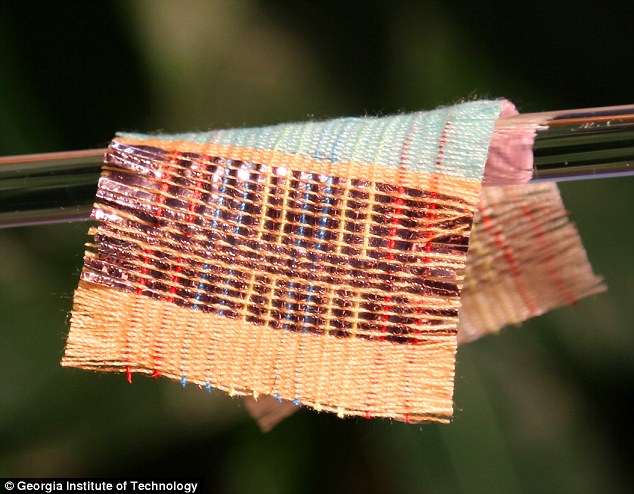
Has it ever happpened to you, that you just dont have enough juice in your phone durimg a critical moment in your day? Well, a new technology will soon save us from our self inflicted misery High-tech fabrics could soon allow you to charge your devices on the go simply by standing outside on a sunny, breezy day.Researchers have developed a ‘hybrid-power textile’ that generates electricity from both sunshine and motion, using a combination of solar cells and triboelectric nanogenerators.So far, a segment roughly the size of a sheet of office paper can create ‘significant power’ just from being held out a car window – and in the future, they say this technology could be integrated into tents, curtains, and even garments.

The researchers from Georgia Institute of Technology say this method could one day allow clothing to harvest energy to power smart phones and GPS.Their current design is just 320 micrometers thick, and is woven together with strands of wool.‘This hybrid power textile presents a novel solution to charging devices in the field from something as simple as the wind blowing on a sunny day,’ said Zhong Lin Wang, a Regents professor in the Georgia Tech School of Materials Science and Engineering.To create the material, the researchers constructed solar cells from lightweight polymer fibers and wove these in with fiber-based triboelectric nanogenerators.These can generate electrical power from mechanical motion, including rotation, sliding, and vibration.

‘The backbone of the textile is made of commonly-used polymer materials that are inexpensive to make and environmentally friendly.‘The electrodes are also made through a low cost process, which makes it possible to use large-scale manufacturing. According to the team, just a 4 by 5 centimeter piece of the fabric can charge a 2mF commercial capacitor up to 2 volts in just one minute of sunlight and movement.And, on a cloudy day, the fabric was able to generate ‘significant power’ when blowing in the wind on a cloudy day.‘That indicates it has a decent capability of working even in a harsh environment,’ Wang said.So far, tests have shown the fabric will survive repeated and rigorous use, and the team is working to see just how durable it really is over longer periods of time.In the future, they plan to optimize its capabilities for industrial uses.

SOURCE…www.dailymail.co.uk

meat versus veggies1

How Much Meat versus Veggies?


Lets try to settle this debate. Meat or no Meat. With Ph.D   Sarah Ballantyne, . a.k.a. The Paleo Mom we’ll find out ….

In the first two parts of this series (here and here), I looked at the (hotly debated!) question of whether humans are innate herbivores, carnivores, or omnivores from a variety of scientific angles: evolutionary history, surveys of modern hunter-gatherers, clues from our primate relatives, comparative anatomy, and our unique genetic adaptations to starch and dairy.

Yes, Part 1 and Part 2 contained A LOT of information, but I promise the goal wasn’t to drown you in a geek-fest of facts and figures! I wanted to demonstrate that no matter which angle we approach it from, the answer is the same: humans are very clearly omnivores. Our need for (and adaptation to) both plants and animals is written all over our history, anatomy, and DNA. The rationale for claiming otherwise doesn’t hold up to scientific scrutiny, no matter what’s floating around on The Google and in Facebook memes!

But, that brings us to another important issue: we might be omnivores in a general sense, but what exactly does that mean? How much animal versus plant products should we be eating? How much meat do we really need in order to be healthy? How many vegetables does it take to cover our phytochemical bases? How far can we tilt in the direction of mostly plants or mostly animals before we start running into trouble? In other words, how do we do this omnivore thing the right way?

The short answer to all these questions is, “There’s no exact answer!” Your nutritional needs depend on a huge number of factors, ranging from your health status to your activity level to your age to your genetics (and that’s just scratching the surface of relevant variables). But, we can still estimate what to shoot for as an average based on the available evidence, both observational and clinical. And a good place to start is with hunter-gatherer populations, who’ve figured out how to feed generation after generation of healthy, chronic-disease-free humans. Let’s dive in!

More Clues from Hunter-Gatherers

As I mentioned in Part 1 of this series, the exact menu of our early ancestors is impossible to piece together without a time machine. (And that’s totally okay! This isn’t an historical reenactment. Rather, understanding what our Paleolithic ancestors ate is a starting point for understanding what shaped our nutritional needs and how to best feed our bodies now.) We do, however, have plenty of evidence from more recent hunter-gatherer populations that showcase what kinds of plant and animal food combinations can deliver awesome health.

A widely cited paper by Loren Cordain, et al. analyzed data for 229 hunter-gatherer societies (as recorded in an ethnographic atlas), and found that the vast majority of tribes ate between 45 and 65% of their diet as animal foods (as a percent of total energy), with 35 to 55% of their diet coming from plants. (Tribes that fell outside those ranges were typically from polar regions (like the Inuit), where genetic mutations made it possible to thrive on an extremely high meat intake, or equatorial regions, where the greater bounty of nutrient-dense vegetables and fruits skewed the ratio more towards plant foods.) Because many of those 229 tribes were from North America (where hunting dominated) and relatively fewer were from Africa, Asia, Australia, and South America (where starchy or fatty plant foods were a frequent staple), the average proportion of plant foods might be a bit higher in reality than Cordain’s analysis reflected. (For instance, the !Kung bushmen of southern Africa ate about 33% of their diet as meat and 67% of their diet as plant foods, because they made use of the energy-dense mongongo nut in lieu of a higher animal food intake.)

So, as a ballpark figure, we could say that hunter-gatherers average about half of their diet (calorie-wise) as animal foods and about half as plant foods—with lots of wiggle room thrown in on either side! What’s for certain is that whenever both meat and vegetation is abundant, humans tend to gravitate towards a truly omnivorous diet that’s about equal parts plants and animal, rather than anything nearly herbivorous or nearly carnivorous. That ensures a broad micronutrient intake and plenty of fiber, phytochemicals, high-quality protein, and essential fats. For those of us who can only hunt and gather in the supermarket, 50-50 is still a pretty safe ratio to aim for!

But wait! Keep in mind that 50% of your dietary calories from one type of food isn’t the same as 50% of your dietary volume from that food (that is, how much space it takes up on your dinner plate). Meat and other animal products tend to be much more energy-dense relative to most plant foods (for an extreme example, one cup of beef steak has 338 calories, whereas one cup of raw spinach has only 7 calories!). That means that a meal containing an assortment of vegetables, plus a smaller portion of meat, fish, or eggs could easily come out to be a 50/50 ratio of calories from plants versus animals—even though it looks like more plant foods to the naked eye. Tricky, eh?

So, what does that mean for how you should plan your diet? Although both plants and animals can vary in their energy density (bone marrow is more dense than chicken breast, and a sweet potato is more dense than broccoli), it’s typically safe to say that if you aim for a diet of approximately 50% plants and 50% animals, the plants will take up more visual space in each meal and the animal foods will take up less—typically on the order of plant foods taking up 2/3 to 3/4 of your plate.

But, the last thing I want you to do is haul around a calculator every time you eat in order get the 50-50 ratio exactly right. Keep in mind, indigenous populations have stayed healthy on a wide spectrum of plant-to-animal-food ratios (as well as macronutrient ratios, which I wrote about here!). It’s only at the extremes that things get sketchy. Even if your ratio ends up being closer to 25/75 or 75/25 or if it varies fairly wildly between those two day by day, you’ll probably be just fine as long as you’re choosing from high-quality, nutrient-rich foods. Which brings us to…

Nutrients: Getting The Best of Both Kingdoms (Plant and Animal!)

When it comes to our omnivorous diet, keep in mind that we get different nutritional needs met through animal foods versus plants. It’s not a competition between these two kingdoms, where one is “better” or “worse” than the other; both play a distinct but equally valuable role! In fact, there’s a huge spectrum of micronutrients and other beneficial compounds found mostly or exclusively in either plant foods or animal foods, such as:

Plant Foods

  • Vitamin C
  • Carotenoids (lycopene, beta-carotene, lutein, zeaxanthin)
  • Diallyl sulfide (from the allium class of vegetables)
  • Polyphenols
  • Flavonoids (anthocyanins, flavan-3-ols, flavonols, proanthocyanidins, procyanidins, kaempferol, myricetin, quercetin, flavonones)
  • Dithiolethiones
  • Lignans
  • Plant sterols and stanols
  • Isothiocyanates and indoles
  • Prebiotic fibers (soluble and insoluble)

Animal Foods

  • Vitamin B12
  • Heme iron
  • Zinc
  • Pre-formed vitamin A (retinol)
  • High-quality protein
  • Creatine
  • Taurine
  • Carnitine
  • Selenium
  • Vitamin K2
  • Vitamin D
  • DHA (docosahexaenoic acid)
  • EPA (eicosapentaenoic acid)
  • CLA (conjugated linoleic acid)

The fact is that there’s nutrients we can only get from plants and nutrients we can only get from animal foods: we need both to get the full complement of nutrients that our bodies need to be healthy. Instead of fighting about whether bacon rules and vegetables suck (or vice versa), we should be celebrating the fact that the plant and animal kingdoms are both totally awesome and necessary for health!

With that in mind, how can we choose a diet that gives us the best nutritional bang for the buck (and, y’know, helps protect us from chronic disease, maximizes our chances of having a long and healthy life, makes us feel awesome, and tastes delicious to boot)? We already know that the Western diet is abysmally low in micronutrients (especially compared to other primates and human populations eating wild foods instead of heavily processed storebought fare).

A good rule of thumb is to eat abundantly from the most micronutrient-rich foods of both plant and animal origin. While the idea of sticking with “whole foods” is a great guideline, there are definitely some standouts in the food world that can take an omnivorous diet to the next level:

  1. Shellfish and fish. Unless you have an allergy, seafood like oysters, mussels, salmon, mackerel, and fish eggs are amazing sources of minerals (especially oysters, which are the King of Zinc!), omega-3 fats in the form of DHA and EPA, selenium and iodine, and vitamin D. (Read more about why seafood rocks here, and what to make of the mercury issue here!)
  2. Organ meats. Have I mentioned lately how much I love organ meats?! While grass-fed muscle meats are totally delicious, organ meats are nutritional rockstars, serving as the most concentrated source of almost every nutrient (seriously). Liver, heart, kidney, and more are all great to try, and I promise they’re not as scary as they seem, even if they give you terrifying flashbacks to childhood. (If you want to read more about why I gush so hard on organ meats, click here!)
  3. Cruciferous veggies include broccoli, cabbage, bok choy, Brussels sprouts, cauliflower, kale, collard greens, mustard greens, turnips, and arugula. And, they offer some of the most consistently proven health benefits of any plant food, showing up in study after study as powerfully cancer-protective due to their array of phytochemicals (especially isothiocyanates and indoles). Load up and read more about why they are a non-issue for thyroid health concerns here.
  4. Leafy greens. Leafy greens are packed with a huge spectrum of micronutrients and beneficial compounds (like beta-carotene, folate, lutein, and vitamin K), especially relative to their calorie content. Basically, adding some leafy greens to any meal will instantly boost its vitamin and mineral content while also delivering fiber and flavor. Let’s take a hint from the chimps here and chow down on some leaves!
  5. Fermented foods. Delicious and absolutely nutritious; what’s not to love? Fermented foods are an amazing source of healthy bacteria, and not to mention, the fermentation process increases the bioavailability of nutrients naturally present in the food. There’s a reason nearly every traditional culture includes some form of fermented food in their cuisine. (Read more here!)

Add these to a menu already rich in nutrient-dense whole foods (quality meats, other colorful vegetables, glycine-rich foods like bone broth, fruit, quality fats, starchy roots and tubers), and you’ll have an omnivorous diet that gets the best of both the plant and animal kingdoms, supporting your health in the process. As long as you don’t veer too far towards all-plants or all-animals, your micronutrient and macronutrient bases should be easily covered!

Remember, being an omnivore means being able to benefit from everything nature provides—whether it came from a plant or an animal (er, or insect!). It’s all about making wise choices within the giant spectrum of foods that the “omnivore” umbrella allows.

Take-Away Message

So, although the “are we herbivores, carnivores, or omnivores?” issue is obviously a hot topic, it should be clear by now that we can truly put the question to rest. Every scientific avenue leads to the conclusion that we’re omnivores—whether we approach it from an evolutionary angle, an ethnographic one, or comparative anatomy and physiology.

Perhaps the better label is the word “nutrivore”, meaning that we choose foods based on their nutritive value, the quantity and quality of micronutrients they provide, and aiming for diversity of nutrients in order to get the full complement of nutrients that our bodies need to thrive. And guess what? The Paleo Diet—especially one that embraces seafood, organ meat, and large portions of veggies—is a nutrients-first approach consistent with all of this evidence!


SOURCE…www.thepaleomom.com


www.thepaleomom.com/the-diet-were-meant-to-eat-part-3-how-much-meat-versus-veggies/ Sent from my iPhone

3852698500000578 0 image a 4 1473814863031 getty park

World First Stem Cell Trial To Treat Parkinson’s Disease Starts At Royal Melbourne Hospital

The future of combating disease has arrvied ! A world first stem cell trial could revolutionise the treatment of Parkinson’s disease, for which there is currently no cure.A 64-year old Victorian man was the first patient to receive the neural stem cells in a delicate operation performed at Royal Melbourne Hospital.Neurologist Andrew Evans and neurosurgeon Girish Nair practised weeks beforehand on a 3D model of the patient’s brain, planning a way to enter the brain for the five hour operation.

‘The first patient’s operation was a success, however we won’t know for 12 months the effects of the stem cell implants and if we are on the verge of a new treatment for Parkinsons,’ Dr Evans said.It’s estimated around 10 million people around the world suffer from Parkinson’s disease, including 80,000 Australians.The debilitating condition destroys a person’s ability to control their body movements, leaving them with tremors, rigid muscles and slow movement.

According to Parkinson’s Australia, symptoms of Parkinson’s disease relates to a lack of a brain chemical called dopamine.’The first phase is critical for us to understand the right amount of neural stem cells required to be injected into the brain,’ Dr Evans said.’The three different doses range from 30,000,000 to 70,000,000 neural cells and of those, only a very small percentage will become dopamine. Dopamine is a hormone that transmits information between brain cells and is one of the most critical transmitters in the brain that is lost with Parkinson’s disease.’

Mr Girish Nair said accuracy was key when injecting the stem cells into the brain. ‘The stem cells entered the brain through two 1.5cm holes in the skull and we targeted 14 sites on the brain and each injection had to be spaced four minutes apart,’ Mr Nair said. Eleven more patients will now have the surgery, each being monitored over a 12 month period to ‘evaluate the safety and the effects of the neural stem cells.”PET scans will also be performed at various times during the study to see if the transplanted stems cells have taken effect,’ Mr Nair said.The stem cell used in the procedure is known as a pluripotent stem cell.

It’s a master cell that can change into any cell in the body and is highly influenced by its environment. ‘At the end of the study we will have transplanted tens of millions of neural stem cells directly into the brains of the 12 Australian participants. Hopefully this will go a long way into understanding how we can replenish brain function for people with Parkinson disease.’ The transplant of stem cells in the remaining 11 patients will finish in 2017 with the results expected in 2019.

SOURCE…www.dailymail.co.uk

hawaii709130308AR b1

Why One Diet Affects People Differently

Ever try the same diet with a friend or loved one and get two different results? In this article,  we’ll dive deeper into why the results may or may have not been what you were looking for as we will began to understand the physiological reasons why a diet does or does not work.

Q. My neighbor and I went on a low-fat diet together. She lost weight and I didn’t. Why?

A. Assuming you both ate the same amount of calories, differences in body composition (percent body fat versus muscle), frequency of past dieting attempts and amount of physical activity could influence your results. Differences could also be related to the amount of insulin your body secretes after meals.

Insulin is a hormone that converts blood sugar into energy for cells. A study published in the May 16 issue of the Journal of the American Medical Association showed a relationship between insulin levels and success with different diet plans; 73 obese young adults were assigned to either a low-glycemic load diet (40 percent carbohydrate, 35 percent fat) or to a low-fat diet (55 percent carbohydrate and 20 percent fat). The study lasted 18 months. Researchers wanted to learn why some people have success with low-fat diets and others don’t. Although will power can play a role, sometimes there’s more to the story.

Food and drinks that are high in processed carbohydrates such as sodas and white rice have a high glycemic load. This means, they cause a rapid rise in blood sugar after they are eaten. Low-glycemic-load foods are sometimes called “slow carbs” because they enter the blood gradually and have less effect on blood sugar. They include vegetables, fresh fruits, whole grains and starchy beans.

In this study, participants who secrete insulin slowly lost equally on both diets. In contrast, those with high insulin levels lost more weight on the low-glycemic-load diet (12.8 pounds) compared with the low-fat diet (2.6 pounds).

In people who pump out a lot of insulin in an exaggerated response to sugary foods and processed starches, reducing the glycemic load of the diet may keep insulin levels steady.

Past studies on low-glycemic-load diets produced mixed results. Sometimes they showed weight loss, sometimes not. This may be because nobody compared insulin levels in the participants!

Just because you’re overweight does not mean your body produces excess insulin. The only way to know is by having your doctor do an oral glucose tolerance test.

When it comes to weight control, one size does not fit all. If you’ve had trouble losing weight on a low-fat diet, you may want to try decreasing the glycemic load in your diet.


SOURCE…www.honoluluadvisor.com