
OneonOne e1473192768757

How to Eat and Drink Like an Olympian

Many American households, have got their  TV  tuned to one thing since August 5: the Olympic Games in Rio. It’s always fun to watch the athletes really going for it and there has been plenty to keep us tuned in, like the colorful rivalry between American swimmer Michael Phelps and his South African foe, Chad le Clos.

Fueling for Fitness

While the athletes always make everything look effortless, so much goes into their training in order to prepare them for competition. Not only does it take hours of exercise to hone their muscles, improve their speed and sharpen their mental focus , they also spend a lot of time fueling up before practice and eating to properly recover so they can train again the next day. Diet is a key part of an athlete’s training program.

The U.S. women’s soccer team was unfortunately knocked out of the competition by Sweden last week. But Julie Johnston, a pro soccer player for the Chicago Red Stars and a defender for the U.S. women’s national team trained hard to get to Rio. I had a chance to speak with Johnston leading up to the games and was impressed with the focus she places on eating healthy. In fact, she looks at it as her secret weapon. “You’re trying to find your edge in the sport and obviously, nutrition is one of them,” she says.

With about four hours of daily training, Johnston likes to fuel up with a big breakfast that consists of eggs  and toast or cereal, then she eats fruit closer to game time. Immediately after a game, her strength and conditioning coach serves the team smoothies with protein powder to help the athletes refuel quickly and get muscle repair underway. Following the smoothie, Johnston eats diced fresh mango to re-energize and get her appetite back before eating a full meal later on. Prior to Rio, she also worked on upping her hydration by adding electrolyte packets to her water bottles. She also focuses on foods with anti-inflammatory properties, such as turmeric.

Energy to Burn

Bob Seebohar is a sports dietitian who works with Olympic-level and recreational athletes of all ages, abilities and sports through eNRG Performance. I picked Seebohar’s brain to get a glimpse into what really goes into an athlete’s body before and after those important training sessions.

According to Seebohar, a typical pre-training meal is about two to three hours before the workout or event and contains a mix of carbohydrates, protein and healthy fats to maintain steady blood sugar levels. For example:

  • Granola with yogurt and fruit
  • Oatmeal with fruit, nuts and a scoop of almond butter
  • Toast and eggs
  • Smoothies and purees are ideal, especially closer to an event, as they are digested more quickly than solid food

Hydration – It’s Not Just About the Water

While carbs are necessary fuel for energy and protein is paramount for muscle growth and repair, the role of hydration  is something that can’t be underestimated. In fact, when some professional athletes are in training camp, they have to submit a daily urine sample to monitor their hydration status.

Loss of electrolytes in sweat can lead to cramping during events. Dehydration can also impede recovery and make athletes feel more sluggish and sore after training or competition. Sodium is the major electrolyte lost in sweat. Others include potassium, magnesium and calcium.

Electrolytes are charged particles that bind to water in our cells, which helps our bodies retain water. They also help move water into the blood and cells through osmosis. While we usually hate the thought of retaining water, it’s important to do so after intense exercise to help with rehydration. If athletes only replace the water they’ve lost, but not the sodium, the water will simply pass through their body without being absorbed. Athletes can add electrolyte packets to their water bottles, but generally you can replace the sodium you lose in your workouts simply through the meal you eat following exercise. Products like Clif Hydration Electrolyte mix can also be helpful, especially in the crazy hot and humid weather we’ve experienced this summer.

Recovery

Refueling, ideally within a 30-minute window post exercise, is incredibly important for athletes, especially when they have back-to-back events. Carbohydrates are needed to replenish glycogen stores and protein is necessary to help repair the small muscle tears that happen during exercise. Antioxidant-rich foods are helpful to combat the oxidative stress that occurs from intense activity.

While you don’t need to pay as much attention to each pre-workout snack as U.S. gymnast Simone Biles, it’s smart to think about your fuel and hydration to maximize your performance during workouts. And it’s not as complicated as you might think. As Seebohar says, “Many recreational athletes think that Olympians follow different nutritional plans. At the end of the day, they are usually just better at planning, preparing and implementing their food plan to align [with their training schedule].” After all, even mere humans like us like to go a little bit faster and feel just a smidge stronger, too.

 READ MORE Health.usnews.com

When Food Replaces Feelings

Let’s face it: For most of us, food is much more than merely fuel for our bodies. From grandma’s apple pie to mac and cheese we enjoyed as a child to chocolate  mousse shared with a significant other, food can evoke memories and emotions, particularly feelings of comfort or love.

But there’s a big difference between nurturing yourself from time to time with comfort food and using food to insulate you from your feelings and emotions, which can undermine attempts to shed pounds and maintain a healthy body. When eating becomes a method of self-medicating – or numbing yourself to feelings – emotional eating  crosses over into the realm of concern. Emotional eating is reaching for food to quell feelings, rather than hunger. Over the years, I’ve learned that understanding and addressing the emotional aspects of over eating and weight management are just as important as nutrition and exercise.

While the eating plan I share with my clients is simple, following it can be a challenge if you’ve fallen out of touch with your body’s hunger cues and developed bad habits or an unhealthy routine. Emotional eating doesn’t help either.

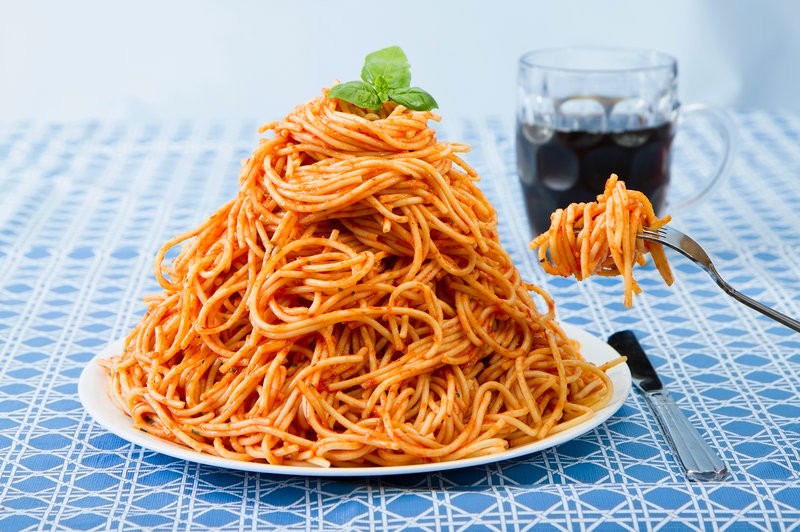
Stress, anxiety , loneliness  and fatigue are common triggers for emotional eaters, particularly women. If one of your happiest moments growing up with your six siblings was sitting at the kitchen table eating mom’s spaghetti with tomato sauce, you may crave pasta when you’re feeling lonely or blue.

But differentiating physical hunger and emotional hunger can be difficult, especially if you’ve spent your life stuffing your emotions by reaching for food. So here are some key differences to keep in mind that will help in recognizing emotional eating:

  • Emotional hunger comes on suddenly. Physical hunger typically comes on gradually, and you may have physical signs like your stomach growling.
  • Emotional hunger craves specific – and in most cases, unhealthful – foods. When you’re physically hungry, almost anything will do, including healthful foods.
  • Emotional hunger results in mindless eating. Did you just down a pint of ice cream before bed without realizing or enjoying it? Polished off a sleeve of cookies in front of the television after work? Inhaled a drive-thru burger while crawling home in rush-hour traffic? These are most likely examples of emotional eating.
  • Emotional hunger is never satiated. You want more and more until you’re stuffed – or find yourself in a “carb coma,” slumping after eating too much.
  • Emotional hunger has repercussions. These include guilt, shame and regret, to name a few. Physical hunger never leaves you feeling badly about yourself.

While most of us at one time or another during our lives have eaten food for reasons other than being hungry, some grapple with emotional eating much more than others. If you feel that you might be an emotional eater, you’re not alone. Experts say as much as 75 percent of overeating may be in response to emotions, rather than to satiate physical hunger.

Many people, particularly those who’ve struggled on and off with dieting most of their lives, have disconnected from their bodies, learning to ignore signs of hunger and the cues that signal fullness. Without mindfullness  – awareness of what you’re feeling both physically and emotionally – emotional eating can become a knee-jerk reaction to the onset of uncomfortable feelings.

Get In Touch With Your Feelings

The first step in establishing a healthy relationship with food is to reconnect with your body and emotions. Understand, though, that it takes at least a month to create a new habit. And if emotional eating has been a longstanding habit, you won’t be able to change it overnight. Be kind and patient with yourself.

Start to notice how you feel when you reach for food. Are you using food to cope, going to the fridge when you’re angry or upset? Acknowledge your feelings and take a detour. Ask yourself: What’s going on? What is this emotion I’m feeling? Then find a different way of dealing with it.

One thing you can do if you are feeling bad – but can’t identify the exact emotion – is to merely be aware of the fact that you’re feeling bad. Say aloud, “I’m feeling really bad right now,” and try to quantify how bad you’re feeling on a scale of 1 to 10.

Also, determine your “feeling bad” thresholds. For example, if your “bad” rates a 5 or higher, you may need to call a friend. A lower level may warrant you working it out on your own by going for a walk walk  or meditating . Do something that will make you feel better, not worse.

Affirm Your Values

Researchers believe that reflecting on values can serve as a buffer to the stress and uncertainty that lead to emotional eating and help in maintaining self-control in difficult situations. One study found that when women who were unhappy with their weight completed a one-time, 15-minute writing exercise about an important personal issue, they went on to lose 3-plus pounds, on average, over approximately three months. By comparison, those who wrote about an unimportant topic gained an average of 3 pounds.

So pull out your food journal , set the timer and write freely about what’s important to you. Write as though no one else will read it. Come clean about what’s bugging you. Your words may surprise but enlighten you.

Follow these steps to take note of what you’re feeling and deal with emotional eating:

1. If you have the urge to eat, pay attention to your feelings.
2. Before you reach for food ask yourself: Have I missed a meal? Have I eaten my snack? Am I really hungry?
3. If you have eaten on schedule, and you determine this urge could be emotional eating, acknowledge that you may have gotten into a habit of trying to fix your troubles with food. Don’t panic. You’re not alone.
4. Try, for just 10 minutes, to deal with your urge with something other than food. Consider these alternatives instead:

  • Go for a walk.
  • Breathe deeply.
  • Pray or meditate.
  • Call a friend.
  • Measure your hunger cues
  • Write in your journal.
  • Do something to feel good about yourself. For example, take a bath, do your nails or make that household repair you’ve been putting off. Shoot some hoops or get a haircut.

Our emotional states can change minute by minute or hour to hour. If you still have a craving or urge after 10 or 15 minutes, go through the process again. Many times the urge or craving will pass. If you are still really hungry, eat something healthful that you will feel good – not guilty – about.

You can be diligent with your food intake and journaling , and perform like an athlete , at the gym. But if you do not acknowledge, assess and deal with any underlying emotional issues that contribute to overeating, any weight you lose will come back. I guarantee it.


ReadMORE…. Health.USnews

Healthy Food Alternatives: How To Snack Smarter

Sometimes all we want in life is a two-liter tub of ice cream. But on the days when we know we shouldn’t, it’s worth noting there are healthier alternatives. Take coconut ice cream for example. What it lacks in dairy and refined sugar, it makes up with fats found in natural oils and sweeteners like agave. The treat is one of wellness expert Charlotte Singmin’s favorites. “I know I’m not alone when I say I’m a sucker for sweet and salty snacks,” says Singmin. Her biggest tip? It’s not about giving up snacking — picking up a mindful treat can help curb hunger, restore blood sugar levels and maintain energy levels and focus. Instead, it’s about knowing your vices and finding healthier alternatives to swap them out for. Interested? Then you’ll want to listen up to what she has to say in the video in the below link.

READMORE...Huffington Post

TreadmillGroup e1471289012475

Treadmill Exercises: To Tone Your Whole Body

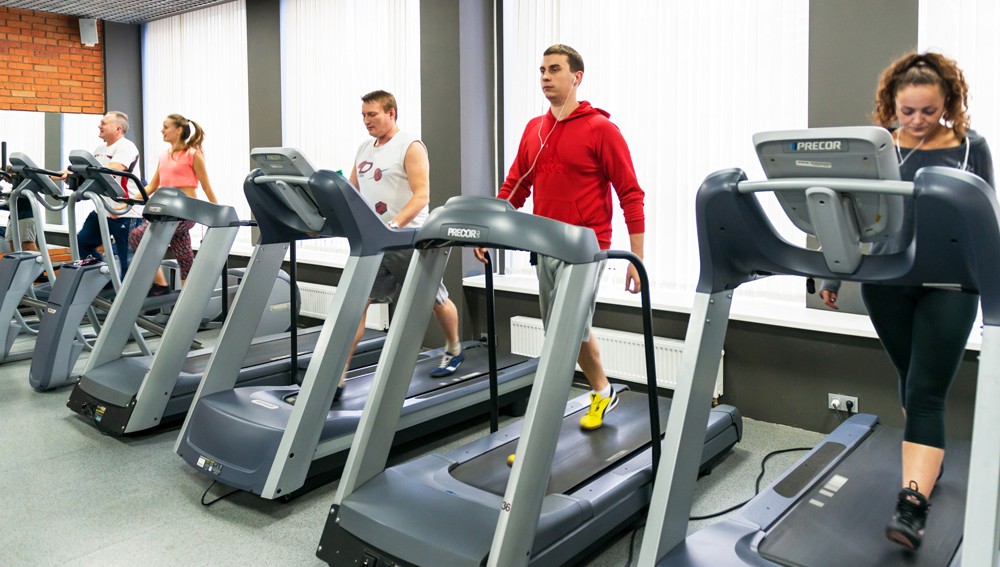
Whether you’re staring at the wall or a TV, running at the same pace, on the same incline, in the same direction for 30 minutes or more is not just daunting, it’s downright boring. But your treadmill doesn’t need to feel like a hamster wheel. In the video above by SELF magazine, Equinox trainer David Silk takes us through a 10-minute workout designed to shed 100 calories and tone your whole body. From running sprints to fancy side steps and butt kicks, Silk demonstrates the proper technique to avoid injury while recommending speeds for both beginners and long-time athletes. These moves will not only get you sweating, they’ll actually get you excited about training on a treadmill.

Watch videos here … HuffingtonPost

life 6707811

There IS life after DEATH: Scientist Reveal Shock Findings

In a large scale study of more than 2,000 people, British boffins confirmed that thoughts DO carry on after the heart stops.The shock research has also uncovered the most convincing evidence of an out of body experience for a patient declared dead.It had been believed the brain stopped all activity 30 seconds after the heart had stopped pumping blood around the body, and that with that, awareness ceases too.However, the study from the University of Southampton shows people still experience awareness for up to three minutes after they had been pronounced dead. Lead researcher Dr Sam Parnia said: “Contrary to perception, death is not a specific moment but a potentially reversible process that occurs after any severe illness or accident causes the heart, lungs and brain to cease functioning.”If attempts are made to reverse this process, it is referred to as ‘cardiac arrest’; however, if these attempts do not succeed it is called ‘death’.”Of the 2,060 patients from Austria, the US and the UK interviewed for the study who had survived cardiac arrest, almost 40 per cent said that they recall some form of awareness after being pronounced clinically dead.Dr Parnia continued: “This suggests more people may have mental activity initially but then lose their memories after recovery, either due to the effects of brain injury or sedative drugs on memory recall.”Of those who said they had experienced some awareness, just two per cent said their experience was consistent with the feeling of an outer body experience – where one feels completely aware and can hear and see what’s going on around them after death.Almost half of the respondents said the experience was not of awareness, but rather of fear. However, the most significant finding of the study is that of a 57-year old man who is perhaps the first confirmed outer body experience in a patient. The man was able to recall with eerie accuracy what was going on around him after he had ‘died’ temporarily. Dr Parnia continued: “This is significant, since it has often been assumed that experiences in relation to death are likely hallucinations or illusions occurring either before the heart stops or after the heart has been successfully restarted, but not an experience corresponding with ‘real’ events when the heart isn’t beating.”In this case, consciousness and awareness appeared to occur during a three-minute period when there was no heartbeat. “This is paradoxical, since the brain typically ceases functioning within 20-30 seconds of the heart stopping and doesn’t resume again until the heart has been restarted. “Furthermore, the detailed recollections of visual awareness in this case were consistent with verified events.”

READ Entire Article at Express.Co.Uk

custom 03582d8d41cc993b6dc5acca9d672a8f5159103c s800 c851

75 Percent of Americans Say They Eat Healthy — Despite Evidence To The Contrary

We’re living at a time when more than 80 percent of Americans fail to eat the recommended amounts of fruits and vegetables. At the same time, many Americans overeat refined grains and sugar.This may help explain why the obesity rate seems stuck. The most recent estimate is that 36 percent of adults in the U.S. are obese.But, as a nation, we seem to have our blinders on. Despite much evidence to the contrary, most Americans say they have a healthy diet.This comes from a poll NPR conducted with Truven Health Analytics, which surveyed a nationally representative sample of 3,000 U.S. adults in May.One question they asked: How healthy would you consider your eating habits to be? About 75 percent of respondents ranked their diets as good, very good or excellent.Hmm. Are Americans confused about what constitutes a healthy diet? Do they say one thing, but do another? Or perhaps it’s a matter of portion size: We may be choosing foods that are healthy in moderation, but are eating too much of them.

We asked a range of experts who study eating habits.Nutrition scholar Marion Nestle at New York University says portion size — just eating too much — is an issue. “I’d vote for that as a major cause of obesity,” Nestle told us by email.”Some of the problem is that individuals pay more attention to getting good things in their diet than they do to limiting overall intake,” adds David Just, a behavioral economist who studies food psychology at Cornell University. “It is hard to monitor overall consumption. It is easy to remember to add a fruit or vegetable to the plate.”

As a culture, we seem to have food on the brain more. “We eat two more large snacks a day [compared to] 25 years ago,” says Barry Popkin, a professor of nutrition at the University of North Carolina. His research points to the trend of kids eating every few hours throughout the day.”Most people try to do the best they can, given their circumstances,” Nestle adds, but there are lots of factors that shape our eating habits: “Education is an issue, but so is relentless food marketing.”

As we’ve reported, the industry spends billions of dollars marketing junk food and sugary drinks. And celebrity endorsements have also been shown to play a role in influencing our habits.”The industry has people thinking that many of their items are healthy,” Popkin says, pointing to sugar-filled granola bars as an example.And that marketing has proved quite effective, creating a disconnect between what nutrition experts and the public perceive to be healthful foods.As a recent poll by The New York Times found, 71 percent of the public thinks granola bars are healthy, while only 28 percent of the hundreds of nutritionists surveyed agreed with that assessment.


READMORE  At NPR.ORG