Category Archives for "Good Body"

a0c481b2eedaa955dddbcd54994248ab1

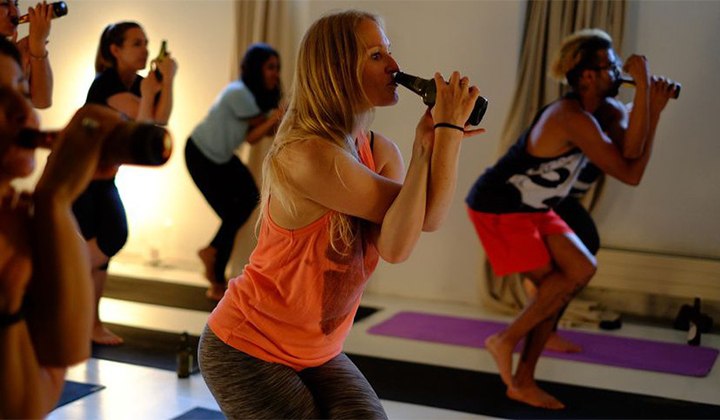
The Newest Workout Trend… Beer Yoga


 Totally on board with the whole “New Year, New Me” vibe?  What about the thought of healthy beer yoga workout  if we’re being realistic, changing my current habits is proving to be a lot harder than I previously thought. We want to be  healthy… In comes this beer yoga workout. The transformation involved in spending  time laying in bed and consuming food and beverages.  Clogging   arteries and destroying   kidneys to becoming a green juice-drinking yogini . Rising  with the sun for hours of meditation and cardio is impractical .

W“healthy” is a journey that one needs to ease their selves  into slowly. Say hello  to the newest workout trend sweeping the globe – beer yoga .The Germans have come up with the best way to combine working on and gaining transcendence without giving up happy hour.  Bier Yoga,  is exactly what it sounds like – downing a brew while maintaining Warrior 3. This trend is unsurprisingly so popular that it’s spread to Australia, as well.

Beer yoga becoming an international trend will almost certainly work in our favor. Now, it’s only a matter of time that a BierYoga will open up in Williamsburg. Apart from being an amazing new way to get people to engage in physical activity.  The founders of BierYoga claim that drinking beer during the workout actually ups your yoga game in a major way. As you search for enlightenment during your 50-minute workout, adding in a beer you enjoy drinking and its calming effects on the mind can help .

Of course, drinking beer in certain positions will prove tricky – hello, downward-facing dog ! You’ll be able to focus more on your stability and core strengthening through balancing the bottles on your head and other various motions that integrate the bottle as a key component of your workout. I’m already on board, but until Beer Yoga makes its way to the good ol’ U. S. of A., I may just give this a try on my own by replacing my water bottle with a growler and earning myself a nice, long shavasana.
SOURCE…postgradproblems.com

 
170113 nightclub gyms weekend feature1

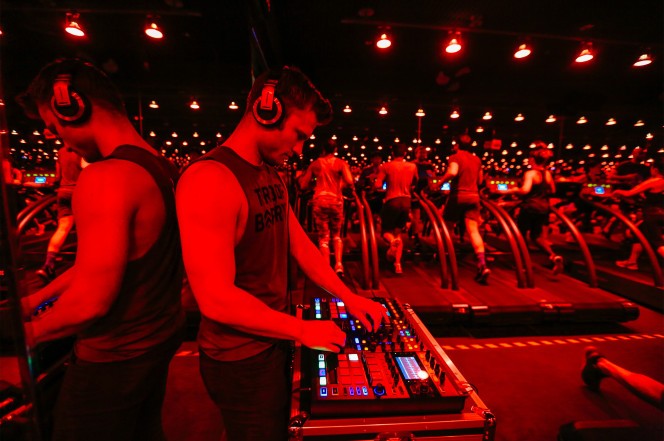
Fitness Boogie…. Gyms Are The New Weekend Nightclubs

Although Alex Ifill works out at least five times a week, his favorite class is Noho Nights, Barry’s Bootcamp’s Friday night session that combines cardio, high-intensity interval training and a DJ during the class for a heart-pumping happy hour.During the session, Ifill and other clients do jumping jacks and squats to EDM hits. A bulky man in the corner grunts in pain while doing a 90-second set of bicycle kicks. The lights are blood red, and 30 minutes into the session, the studio’s mirrors fog up from the increased body heat.“We call it ‘church,’ ” says Ifill, a 34-year-old lawyer from Hell’s Kitchen who frequently attends class with his colleague Robert Garcia, 29. “It’s where we go to pray for the sins we’re about to commit during the weekend.”

In the past year, there’s been a rise in Friday night classes catering to health-conscious yuppies looking to blow off steam. Boutique studios such as Overthrow Boxing Club and SoulCycle now offer popular themed classes that foster camaraderie and sometimes even mix in booze.Kirk Campbell, a sports medicine physician at NYU Langone Medical Center, says Friday night classes are a great alternative to hitting the bars for happy hour.“I’ve seen a lot of my patients start working out more on Friday nights,” Campbell tells The Post. “They get to release all the stress from the work week.”

Plus, Campbell says, research shows that working out at night has health benefits. A study from the University of North Texas found that people who pumped iron in the evening had bigger muscle gains than those who worked out in the morning.“Your testosterone levels are higher in the evening than in the morning, so you have higher strength gains and you’ll be able to work out a little bit more intensely at night,” Campbell says, referring to both men and women.

For Garcia, the Friday night class is also a great way to switch up his workout routine.“If it wasn’t for this class, I would probably go home and change and just go to dinner,” says Garcia, a lawyer based in Lincoln Square. “It’s just a refreshing change of pace.” He and Garcia usually go to the dance clubs in Hell’s Kitchen after their workouts, but attendees sometimes head out for drinks nearby in Noho.


SOURCE…www.nypost.com
Sent from my iPhone

http   prod.static9.net .au   media Network Images 2017 01 10 14 34 in the sauna 1710011

The Truth Behind The Science Of The Sauna

It’s estimated that there are over 3 million saunas in Finland – roughly one for every house, public park and high-rise apartment in the country.(Considering the Finns boast a population of just 5 million, it’s fair to say they know a thing or two about sweating it up in the nude.)

 The average Finn has a sauna session about once a week, and before the circulation of healthcare programs many Finnish mothers gave birth in saunas thanks to the largely sterile environment. To them, a sauna is invigorating for both mental and physical health.But is the art of steaming yourself like a piece of broccoli simply some weird northern European throwback, or can it actually improve your health?According to Aidan Rich, APA sports physiotherapist, the sauna sort of straddles the line between cultural practice and sports tool – although the current research is showing a lot of promise.

“Sauna use appears to be quite low risk, particularly if there are no other serious health conditions,” Rich tells Coach.”There are many potential benefits such as heart health, improved endurance, as well as the social and relaxation benefits that a sauna may offer.”Aside from these, sauna use may give a feeling of relaxation, or enjoyable social interaction, which may account for the ‘feel good’ effect that people experience after using a sauna.”

Of course, Rich is quick to point out that you cannot simply recommend everybody to immediately jump into the sauna, because (surprise surprise) sitting in a small room as hot as 80 degrees Celsius is not going to agree with everyone.”Sauna or extreme heat exposure can potentially be dangerous, particularly when undertaken for prolonged periods, with any form of exercise, or unsupervised,” warns Rich.”It’s recommended that you discuss with your doctor before undertaking any of the treatments or training discussed.”

It’s more strenuous than you might imagine

For most Australians, sitting in the sauna is something that you would only do after a hard session in the gym or a leisurely swim in some upmarket hotel pool.In almost all cases, sauna use is seen as a form of recovery where you can recharge and refresh, but Rich says this is a common misconception amongst gym goers.”Sauna exposure should be seen as an additional training stress,” explains Rich.”Using a sauna has been shown to provide similar benefits to regular exercise, such as lower resting heart rate, higher red blood cell count, and better core temperature regulation during exercise.”

That’s right – stripping off to spend a period of time in a hot wooden room is just about the only way you can increase your athletic performance while sitting on your butt, but Rich says it’s important not to go overboard.”Sauna training exposure can be used as an adjunct to traditional training such as cardiovascular exercise — such as a walk, ride, swim, run — and resistance or weight training,” says Rich. “The best times to use a sauna would be on an ‘easy’ or light training day.”A sauna really shouldn’t be used on a hard training day, when instead priority should be given to more traditional recovery methods such as eating well or light stretching after intense exercise.”

The detox myth

Many people believe that a session in the sauna allows your body to remove toxins from your blood by sweating them out, and it’s a claim that many celebrities are fond of making,Gwyneth Paltrow uses saunas to “sweat out all the germs” she receives from other passengers on airplanes, and Jennifer Aniston and Lady Gaga regularly promote saunas as a way to rejuvenate cells and control pain.Sadly, Rich explains there’s no evidence behind the detoxifying nature of the sauna – it turns out that your kidneys and liver do a fine job of that as it is.”Unfortunately the sauna and toxins theory has been debunked by research!” says Rich.”However with all of the other benefits of sauna use or heat exposure, there are still plenty of reasons to use a sauna!”

How to use a sauna

So it turns out that saunas can be pretty damn helpful, especially if you find them relaxing. But getting the most out of a steam room isn’t as simple as plopping yourself down on a wooden bench and staying until even your ears have pruned up.According to Rich, there are several ways that have been proven in research to help fast-track the benefits of sauna, and almost all of them involve taking regular breaks. “Several short periods — for example, two to three visits each lasting three to five minutes — have been shown to be a relaxation tool,” says Rich. 

“It’s possible that even short, regular exposure to heat has positive effects on longevity, and heart disease, although the exact relationships between heat exposure and these outcomes are still being investigated.”If jumping in and out every couple of minutes sounds like too much hassle (especially when you’re near-nude), then longer stretches can be helpful too.”Longer periods of up to 20-30 minutes appears to have significant benefits such as improved endurance in sport, decreased muscle breakdown when weight training, and improved blood sugar control,” explains Rich.

For the hardcore types, there’s even some evidence that pulling the bench press into the sauna could supercharge your strength – although you wouldn’t want to be caught dead doing it in your local gym.”Exercise in the sauna, or another hot environment, is another way that’s been recommended,” says Rich.

“There is some research currently underway in New Zealand that is investigating doing weight training in a very hot environment.”It appears that lifting lighter weights in a hot environment may give the same strength benefit as lifting heavy weights in a normal temperature environment, but without as much muscular soreness and fatigue.”

 
SOURCE…coach.nine.com 
 
06 015448 bradley martyn shares tips on bulking up1

The Secret To Building Massive Arms

Fitness internet sensation   Bradley Martyn has broken the  several times with his freakish feats of strength and agility. And it’s not just incredible, it’s pretty damn entertaining too. Most recently, One of his  post was reportedly viewed more than 20 million times on Facebook. Martyn’s  YouTube channel is filled with stunts, like when he squatted 315 pounds while standing on a hoverboard (and nearly breaking it), as well as workouts, tips and tricks on how to build a massive pump or simply improve your strength. We talked to Martyn about his training and his antics in this week’s edition of FUELED. 

What’s your height and weight and of course, what do you bench?

I’m 6’3″, 260lbs and can bench press roughly 430lbs, although I haven’t maxed out in a long time. A better question is asking somebody how much they can bench, squat, and deadlift. A lot of people can bench, but you don’t find as many who are serious about all three. If you have a big bench, but can’t squat or deadlift much, then what’s the point? 

What’s a typical day of eating look like for you? What fuels your body?

This varies as it all depends what my current schedule and goals are. A lot of people ask me this question because they think that if they copy what I eat that it will help them. The truth is, we all have different needs regarding nutrition and what I do probably won’t work for anybody but me! There are times where I’m so busy with work that I only eat 1-2 large meals per day. This can be something like Chipotle or In-N-Out Burger. If I told somebody that’s what I eat then they’ll probably get fat. The part they don’t know is that I know how many calories I need, and pay attention to my macros to fill those calories as well. So they see me eating Chipotle and think they can too! Even though it’s Chipotle, I’m still very much aware of my total nutrition on the day, and always eat according to my goals. There are other times that I eat several meals a day and space them out accordingly. Each meal is prepped in advance and considered “clean foods” in that they aren’t loaded with what many consider “junk” like fast food. So I don’t have a specific foods, or meals that I eat habitually. My habits are paying attention to my body, and adjusting my food intake accordingly. If somebody can do that, then they are on the right track. 

Describe an average week of training for you

I make sure to hit each muscle group at least once per week, but sometimes more. I always include the compound power lifts like bench, squat, deadlift, and overhead press. Outside of that, it really depends on what my specific goals are at the time. Sometimes I will train heavy and hit each muscle once a week. Other times I won’t go as heavy and train each muscle 2-3 times per week. Some other times, I’ll train arms every day. It all depends on what my goals are at the time!

What are some must-have items always in your gym bag?

The only things in my gym bag that are not my brand (BMFIT) are my adidas olympic weightlifting shoes and my headphones. Otherwise all things are now BMFIT as I’ve worked hard to supply the tools and accessories that I have always used myself. I would say that any good gym bag needs the following: belt, lifting straps, wrist wraps, knee sleeves, and a water jug. There are other tools and accessories that you could put to good use, but I would call that list the essentials. 


What’s your secret to building massive, sculpted arms like yours?

Every day is arm day! #ediad lol This is something I came up with as a result of the theory that if you want to build muscle in certain body parts that you have to train that muscle frequently. I had a long period of time that I trained my arms with 1-2 exercises every day. I definitely saw some results from that, but it might not work for everybody. That being said, here is the secret…there are no secrets! If anybody ever says they have the “secret” then they are lying to you. If you want big arms then work them out as hard and as often as you can so long as you can recover and don’t cause an injury. The “secret” is that you have to consistently put in hard work, both in the gym and on the dinner plate, for years. Most people just aren’t willing to be patient and put the work in. 


What advice can you share with guys looking to build big mass and get stronger?

Be patient! The first thing that people need to understand is that the accumulation of muscle mass and strength isn’t easy and takes time. Focus more on small goals and work to achieve them. If you can slowly get better then that all adds up! I get asked how somebody can look like me and how long it took me to get the results that I have. When I tell them that I’ve been working out and eating right with a passion for almost 15 years then they usually have this sadness that comes over them, as if it’s not attainable. The truth is that some may never be able to “look like me” or other fitness people that they get motivation from. That being said, everybody can make improvements to their physique, no matter their level of experience, age, or current body type. Instead of rushing to look like somebody you see in the magazines or social media, it’s important to just focus on building a better you. If you can consistently (and slowly) improve your physique then all those results add up! You’ll be surprised what you look like after putting all that time and work in. Like most things in life, enjoy the process more than the final result. If you can do that then you’ll do nothing but get better, and maintain your results along the way. 

 
What’s one product everyone should have to get workouts done at home or on the go?
 
There isn’t one product that people can use to get workouts done at home or on the go. However, one thing that people need is a strong desire to get better. If you have that then you can surprise yourself with the workouts you can get done without a gym or equipment. I remember one time that my friend and I wanted to go to the gym on Thanksgiving and all the gyms were closed. We ended up at the nearest college stadium and performed a variety of exercises  including push ups, pull ups, walking lunges, running the stairs, sprints, sit ups, leg raises, and even found some heavy tires to flip. I still prefer the gym, but we had that desire to get better so we found something to do when we didn’t have access to the gym or weights. If you have that desire then you’ll always make it work, even if that means doing push ups, lunges, and sit ups in your hotel room when you’re away.

Are there any workouts you hate doing? Why?

I love working out! I would say that I hate doing core exercises the most. The entire industry has convinced people that they need to do a bunch of random core workouts. They use these exercises to sell the idea that they need to do that in order to get abs. The truth is that abs are accomplished more with the diet than they are with working out. If you want something to strengthen the core then you should give squats and deadlifts a try! Core workouts are not bad to do, but they are boring and overrated, so I don’t like to do them very often. 

SOURCE…www.askmen.com

 

http   prod.static9.net .au   media Network Images 2017 01 08 12 12 170108coach movement1

The Secret To Becoming Happier


One of the largest studies of its kind, led by researchers from the University of Cambridge and the University of Essex, has shown that any level of physical activity can have a positive effect on emotional well being.”There have been many studies about the positive psychological effects of exercise,” said the paper’s senior author Dr Jason Rentfrow, from Cambridge’s Department of Psychology, in a statement.


“But what we’ve found is that in order to be happier, you don’t have to go out and run a marathon – all you’ve really got to do is periodically engage in slight physical activity throughout the day.”They’re not kidding when they say “slight”: study co-author Dr Gillian Sandstrom, from the Department of Psychology at the University of Essex, said even totally basic activity like “walking from the desk to the photocopier, or from the car to the office door” counts towards your mood.

The study tracked 10,000 everyday people who had downloaded a free mood-tracking app for Android phones.Twice a day the app surveyed users about their mood, asking them to rate themselves on a graph of positive-to-negative and alert-to-sleep, as well as quizzing them on their emotional states and general life satisfaction.

The app also collected self-reported data about each user’s physical activity, and measured the user’s movement patterns using the phone’s in-built accelerometer (which is harder to cheat).When all this data was used to calculate happiness scores for each user, it was found that participants with higher levels of activity throughout their day reported a more positive emotional state.“Our data show that happy people are more active in general,” said Dr Rentfrow.

SOURCE…http://coach.nine.com.au

Foot Health1

How’s Your Foot Health?


Over the past few years, consumers have become much more conscious about their own health and well being. Many have taken steps to workout and exercise, so they can keep their heart in optimum condition. Despite the shift towards a healthier lifestyle, some aspects of the human body are still frequently ignored. This is where foot health enters the picture. Most people completely ignore their feet, until they develop blisters or begin to hurt intensely. Below, you will learn more about the importance of foot health.

A Variety of Related Problems

When it comes down to it, a lot of consumers are simply unaware of the complex nature of their feet. Surprisingly, human feet contain more than fifty bones, which equate to ¼ of the entire bones in the human body. At the same time, the feet include over two-hundred muscles, ligaments, and tendons. Truly, the feet are enormously complex and the problems they can face are also very complicated. With so many muscles and bones in the feet, it is often difficult to pinpoint the exact source of the problem.

Some problems are fairly minor. They include athlete’s feet and sprains. Others are much riskier. Those that fall into the riskier category include neuromas and plantar fasciitis. Most people are completely unaware of these problems and most will ignore their foot pain, until it reaches maximum severity and lingers for a substantial duration.

Often Ignored, But Widespread

While the importance of foot care is truly enormous, many consumers will complete ignore the problem. This is the case, because foot pain often remains at the foot and doesn’t impact any other portions of the body. Nonetheless, this is very risky. While the pain may never venture to other portions of the body, the pain you suffer could very well reduce your quality of life. If the foot pain becomes so intense that you stop exercising, this may eventually lead to a sedentary lifestyle. And unfortunately, a sedentary lifestyle can lead to even more complex problems, such as heart disease and high blood pressure.

If you experience foot pain for a long duration and it alters your traditional lifestyle, you should take action immediately. Treat the problem at its source, before it begins to take a toll on your physical and mental health.

The Most Common Foot Problems

Truly, there is an abundance of problems that can plague the foot. One of the most common is athlete’s foot. This specific condition is generally caused by fungus and bacteria. The feet are often trapped in a dark and damp environment for many hours on end. This can promote the growth of bacteria and could result in infections. Most people will suffer from blisters or itching at some point or another. In most cases, the condition will be minor and will disappear with time. Nonetheless, it is possible for the severity to increase and the infection may become chronic and much more difficult to rectify.

Bunions are also a very common problem that patients will face. These blemishes generally develop when the toe joints become tender and swollen. The best treatment for bunions truly depends on the severity of the problem. If the bunion is minor, wearing the right shoes may help. Alternatively, it might be essential to inject drugs into the impacted area. And of course, some patients will be forced to undergo surgery to have the bunion removed. Other common foot problems include spurs, ingrown toenails, and hammertoe. Familiarizing yourself with these conditions and being prepared to take appropriate action is vital to maintaining optimum foot health.

Avoiding Foot Problems

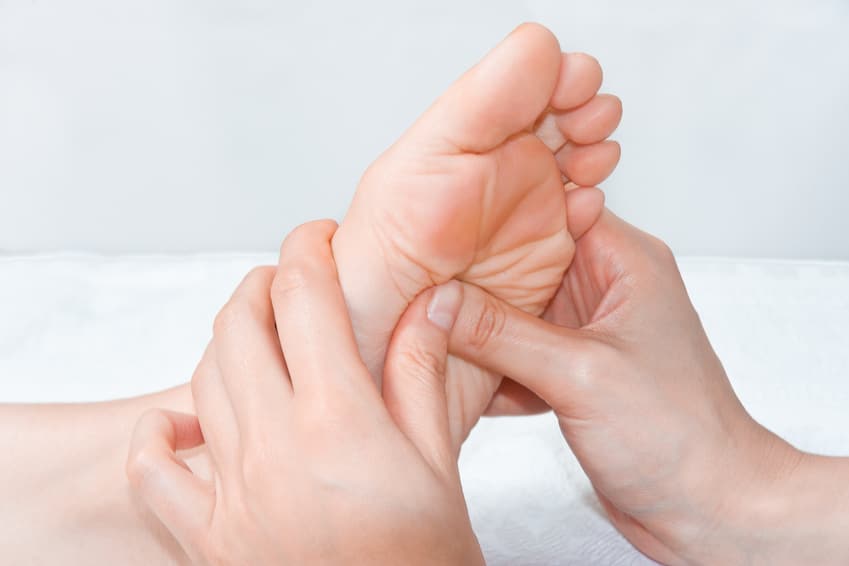
There are several issues, which can lead to serious foot problems. Wearing the inappropriate shoes can prove to be very detrimental and could result in blisters and bunions. Make sure you get the perfect size shoe, so you can reduce the risk of complications. While you’re at it, you need to remember that utilizing foot massagers and washing the feet frequently can help. This combination will work out the kinks in the foot’s muscles, while also decreasing the likelihood of bacteria growth.

Finally, you should remember that obesity can place a larger amount of stress and strain on the feet. In order to avoid more complicated problems, you should do your best to maintain a healthy weight!

Foot Health1

How's Your Foot Health?


Over the past few years, consumers have become much more conscious about their own health and well being. Many have taken steps to workout and exercise, so they can keep their heart in optimum condition. Despite the shift towards a healthier lifestyle, some aspects of the human body are still frequently ignored. This is where foot health enters the picture. Most people completely ignore their feet, until they develop blisters or begin to hurt intensely. Below, you will learn more about the importance of foot health.

A Variety of Related Problems

When it comes down to it, a lot of consumers are simply unaware of the complex nature of their feet. Surprisingly, human feet contain more than fifty bones, which equate to ¼ of the entire bones in the human body. At the same time, the feet include over two-hundred muscles, ligaments, and tendons. Truly, the feet are enormously complex and the problems they can face are also very complicated. With so many muscles and bones in the feet, it is often difficult to pinpoint the exact source of the problem.

Some problems are fairly minor. They include athlete’s feet and sprains. Others are much riskier. Those that fall into the riskier category include neuromas and plantar fasciitis. Most people are completely unaware of these problems and most will ignore their foot pain, until it reaches maximum severity and lingers for a substantial duration.

Often Ignored, But Widespread

While the importance of foot care is truly enormous, many consumers will complete ignore the problem. This is the case, because foot pain often remains at the foot and doesn’t impact any other portions of the body. Nonetheless, this is very risky. While the pain may never venture to other portions of the body, the pain you suffer could very well reduce your quality of life. If the foot pain becomes so intense that you stop exercising, this may eventually lead to a sedentary lifestyle. And unfortunately, a sedentary lifestyle can lead to even more complex problems, such as heart disease and high blood pressure.

If you experience foot pain for a long duration and it alters your traditional lifestyle, you should take action immediately. Treat the problem at its source, before it begins to take a toll on your physical and mental health.

The Most Common Foot Problems

Truly, there is an abundance of problems that can plague the foot. One of the most common is athlete’s foot. This specific condition is generally caused by fungus and bacteria. The feet are often trapped in a dark and damp environment for many hours on end. This can promote the growth of bacteria and could result in infections. Most people will suffer from blisters or itching at some point or another. In most cases, the condition will be minor and will disappear with time. Nonetheless, it is possible for the severity to increase and the infection may become chronic and much more difficult to rectify.

Bunions are also a very common problem that patients will face. These blemishes generally develop when the toe joints become tender and swollen. The best treatment for bunions truly depends on the severity of the problem. If the bunion is minor, wearing the right shoes may help. Alternatively, it might be essential to inject drugs into the impacted area. And of course, some patients will be forced to undergo surgery to have the bunion removed. Other common foot problems include spurs, ingrown toenails, and hammertoe. Familiarizing yourself with these conditions and being prepared to take appropriate action is vital to maintaining optimum foot health.

Avoiding Foot Problems

There are several issues, which can lead to serious foot problems. Wearing the inappropriate shoes can prove to be very detrimental and could result in blisters and bunions. Make sure you get the perfect size shoe, so you can reduce the risk of complications. While you’re at it, you need to remember that utilizing foot massagers and washing the feet frequently can help. This combination will work out the kinks in the foot’s muscles, while also decreasing the likelihood of bacteria growth.

Finally, you should remember that obesity can place a larger amount of stress and strain on the feet. In order to avoid more complicated problems, you should do your best to maintain a healthy weight!

3B9014D700000578 4055222 image m 4 14823378711751

Jackfruit And Plant Water Are The Foods To Help You Lose Weight


This year we couldn’t get enough of coconut water and baobab thanks to their slimming properties – but if experts are to be believed, these super foods will be old news by January.Leading nutritionists have revealed the top food and drink to help you lose weight in 2017, including plant water and jack fruit. The products they predict will be flying off the shelves next year may sound somewhat unappetizing – but not only do they have slimming properties, they can also help boost digestion, lower cholesterol and even banish hangovers.

JACK FRUIT

‘You might have heard people referring to jack fruit as “pulled pork for vegetarians”,’ says Carly Tierney, personal trainer and expert nutritionist at UK gym chain DW Fitness Clubs. ‘If not, you almost certainly will have done by the end of 2017; as a popular substitute for meat, it’s going to be everywhere!

‘Studies have shown that Jack fruit has anti-inflammatory properties, which can be an important aspect of preventing obesity. ‘The seeds are particularly good for you. A strong source of Vitamin C and antioxidants, they can help to prevent cell damage, which is great news for your immune system. ‘Additionally, the seeds are thought to be beneficial for your blood circulation. This can be vital for hair growth, among other things.’

PLANT WATER 

Following on from the coconut water boom, Frida Harju, the in-house nutritionist at health app Life sum, reckons we’ll be seeing more plant waters being added to our diets than ever.Cactus plant water is set to be huge next year; it has health benefits that include helping fight high cholesterol levels and curing hangovers.Being high in fiber and low in calories means it can also help you stay fuller for longer – making it an excellent weight loss aid.  Expect birch sap water will be a hit thanks to its high levels of antioxidants, natural minerals and xylitol (a natural sugar).

SEAWEED

After being a mainstay in Asian cuisine for many years, seaweed is increasingly catching on in the West – with TV chef Jamie Oliver attesting to its weight loss properties.Its growing popularity, says Carly, is down to it being vegan-friendly. ‘Naturally low in calories, seaweed can add an extra dimension to a wide range of dishes.’Whether you include it in a stew or soup, or you add some to your stir fry, it’s an extremely versatile ingredient.

‘In terms of nutritional benefits, seaweed is said to be a rich source of iron and calcium. Also, a piece of research cited by the European Food Information Council suggested that an 8g portion of dried seaweed provides a similar amount of fiber to a banana. ‘This makes it a great alternative for those who are wary about the high natural sugar content in certain fruits.’Perhaps unsurprisingly, some types of seaweed have a high salt content, which you need to take into consideration when adding it to your meals.’ There is also a natural fiber in sea kelp called alginate, which inhibits the enzymes that digest fat so that less is absorbed by the body. 

POKE BOWLS

Hawaiian  poke bowls – low-calorie, raw fish salads – are tipped to go take the foodie scene by storm after migrating from Hawaii to the ultra-trendy restaurants of Los Angeles.’Combining raw fish with fresh greens is never a bad idea, and these convenient, super-nutritious meals could revolutionize your lunchtime routine,’ says Carly.’The health benefits of raw fish are well documented. Tuna is full of ‘good fats’, which help to prevent blood clotting and boost cognitive functionality. ‘You should be eating at least one portion of Omega-3-rich fish each week, and poke bowls are a great way to go about this. ‘Be prepared for Poke Bowls to dominate your Instagram feed in 2017!’

SOURCE...www.dailymail.co.uk/


14778600905086001

New Ways Found to Suppress Cancer Immunity

Previous studies have identified the Hippo pathway kinases LATS1/2 as a tumor suppressor, contrary to that researchers from University of California reveal a surprising role for these enzymes in subduing cancer immunity. Published in the journal Cell, the findings could have a clinical role in improving efficiency of immunotherapy drugs. “Before our study, no one knew that the Hippo pathway was regulating immunogenicity,” said first author Toshiro Moroishi. Adding, “LATS1/2 deletion in cancer cells improves tumor immunogenicity, leading to the destruction of cancerous cells by enhancing anti-tumor immune responses.”Published in the journal Cell, the findings could have a clinical role in improving efficiency of immunotherapy drugs. “Before our study, no one knew that the Hippo pathway was regulating immunogenicity,” said first author Toshiro Moroishi. Adding, “LATS1/2 deletion in cancer cells improves tumor immunogenicity, leading to the destruction of cancerous cells by enhancing anti-tumor immune responses.”
Hippo pathway signaling regulates organ size by moderating cell growth, apoptosis and stem cell renewal but dysregulation contributes to cancer development. In vitro studies of Hippo pathway kinases LATS1/2 showed that the loss of these enzymes promoted cell proliferation and tumor survival. In vivo research using immune-compromised mouse models also supports a tumor suppressor function of the Hippo pathway.

However, when Moroishi and team deleted LATS1/2 from mouse cancer cells and examined tumor growth in models with healthy immune systems researchers found that immunogenicity — the ability to stimulate an immune response — improved, destroying cancer cells. Researchers caution that immune systems of mouse models are different from the human immune system so the response might be different and further studies are needed.

If the outcome proves to be the same, using a LATS1/2 inhibitor alone or in combination with an immune checkpoint inhibitor may stimulate the immune system of patients that previously did not respond to immunotherapy treatments. Currently, most immunotherapy research focuses on targeting the immune system, but the new findings reveal that tumor cells may also be vulnerable to inhibitors.

“Inhibiting LATS1/2 could be an attractive approach to treat cancer,” said Kun-Liang Guan. Adding, “LATS is an ideal target because there are many kinase inhibitors that have been successfully developed as cancer drugs.”

http   prod.static9.net .au   media Network Images 2016 11 29 11 01 161129coachhadza1

Hunter-gatherers' Active lifestyles make the rest of us look shamefully lazy

As you tick off another sedentary day spent sitting in your office chair then lounging on your couch, it might strike you: human beings are surely “designed” to move more than this, right? We’re actually designed to move a whole lot more, suggests ongoing research into the lifestyles of hunter-gatherers. For a while now, anthropologists have been studying the Hadza — a tribe of less than 1000 from East Africa whose lives provide a window into how our ancestors lived hundreds of thousands of years ago

 We’ve already learned a lot from the Hadza about how might have slept and how our bodies evolved to efficiently burn the calories we eat, and new research suggests the “natural” amount of physical activity we need for good health.  A team of anthropologists — the University of Arizona’s David Raichlen, Yale University’s Brian Wood and Hunter College’s Herman Pontzer — strapped heart-rate monitors and GPS trackers to the Hadza, then analysed how far and fast they travelled each day.

Most days, the men walked briskly on the hunt for game animals, while the women foraged for and prepared wild foods.On average, the Hadza achieved about 75 minutes of moderate to vigorous physical activity a day.

To put that number in context, Australian health authorities recommend we engage in at least 150 minutes of moderate physical activity a week, or 75 minutes of vigorous physical activity a week.Most of us living modern Western lifestyles don’t meet those targets. In Australia, 60 percent of adults do less than 30 minutes of moderate physical activity per day — way below the Hadza.That matters because the Hadza have a super low risk of cardiovascular disease, including low rates of high blood pressure and blood cholesterol, unlike us in the West stricken by the so-called diseases of civilisation.

Another noteworthy finding about the Hadza’s physical activity: it doesn’t decline with age. The older Hadza (it’s not uncommon for them to live into their 70s and even 80s) stayed as active as younger generations — unlike our society, where physical activity drops off sharply as we age.Raichlen acknowledges the Hadza’s heart health is likely influenced by other factors too (such as their diets — most continue to forage and rely on wild foods), but says studying their lifestyles bolsters the obvious-but-overlooked theory that aerobic activity is a must for health.

“The overarching hypothesis is that our bodies evolved within a highly active context, and that explains why physical activity seems to improve physiological health today,” he said in a statement.He believes studying the Hadza gives us an insight into the physical activity levels that drove the evolution of healthy human hearts, muscles and brains.“The answer is not likely 30 minutes a day of walking on a treadmill,” he said. “It’s more like 75-plus minutes a day.”
Read more …./coach.nine.com.au


1 5 6 7 8 9 13