
Category Archives for "Good Body"

ThinkstockPhotos 1877907731

Top 10 Health Benefits of Stretching

Stretching is very important for flexibility, range of motion and injury prevention. Incorporating stretching into your daily workouts is a given but including it in your day routine is just as important to health and body functioning as regular exercise. It relaxes your muscles and increases blood flow and nutrients to your cartilage and muscles.

Here are the top 10 health benefits of stretching:

  • Encourages an optimistic outlook – A buildup of stress causes your muscles to contract, making you feel tense and uneasy. This tension can lead to having a negative impact on mind as well as your body. Stretching exercises have powerful stress-busting abilities. Stretching soon after waking up can help jump-start the mind and body. Stretching loosens tight muscles which helps your muscles both relax and increase blood flow. It also encourages the release of endorphins, providing a sense of tranquility and euphoria. Stretching directly before bed will even give you a more comfortable sleeping experience.
  • Fortifies posture – Stretching helps ensure correct posture by lengthening tight muscles that pull areas of the body away from their intended position and keeping your muscles loose. Stretching the muscles of the lower back, chest and shoulders can help keep the spine in better alignment and improve overall posture by relieving aches and pains. With reduced pain, there is a reduced desire to hunch or slouch.
  • Enables flexibility – The most established and obvious benefit of stretching is improving flexibility and range of motion. An effective flexibility training program can improve your physical performance and help reduce your risk of injury. By improving your range of motion, your body requires less energy to make the same movements and you also will have more flexible joints thus lessening the likelihood of injuries acquired during workouts or during daily activities.
  • Increase stamina  – Stretching loosens your muscles and tendons which relieves muscle fatigue and increases blood flow. The longer you exercise the more energy you be burn, typically causing one to grow fatigued. With stretching, you can delay the onset of muscle fatigue by ensuring oxygen is efficiently flowing through your blood, thereby increasing your endurance.
  • Decreases risk of injury – it will help to supply a greater nutrient supply to muscles, thereby reducing muscle soreness and helping to speed recovery from muscle and joint injuries.
  • Improve energy levels – Sometimes you may have trouble staying awake during your long, dragging day. If you’re feeling this way then it might help to get out of your seat and do a few good stretches for a boost of energy, helping your mind and body be more alert. Muscles tighten when we get tired and that makes us feel even more lethargic, so feel free to stand up and do some stretches. It will help you to quickly and efficiently revitalize your energy levels.
  • Promotes blood circulation – it increases blood flow to the muscles. Not only will this help reduce post-workout soreness and shorten recovery time, but it will improve overall health. Greater blood circulation helps promote cell growth and organ function. The heart rate will also lower since it doesn’t have to work as hard and blood pressure will become more even and consistent.
  • Improve athletic performance – If your muscles are already contracted because you haven’t stretched, then they will be less effective during exercise. Regular stretching will relax all of your muscles and therefore enable them to be more available during exercise.
  • Reduced soreness – Stretching before and after a workout gives your muscles time to relax. Increases in blood flow increase nutrient supply to the muscles and relieve soreness in the muscles after a workout.
  • Reduces cholesterol – Paired with a healthy diet, engaging in prolonged stretching exercises can help reduce cholesterol in the body. This could prevent and even reverse the hardening of arteries, helping one avoid heart diseases.

SOURCE…www.healthfitnessrevolution.com


/top-10-health-benefits-of-stretching/
Sent from my iPhone

allan rehab1

Understanding the Benefits of Spinal Rehab

 Understanding the Benefits of Spinal Rehab
Your spine is one of the most vital parts of your body. We rely on it to carry our weight, deliver muscles to adjoining limbs, and to remain strong during times of stress and over use. This major part is also, in part, for controlling blood flow and nerves to different organs and limbs. There are several reasons why the spine can begin to fail us. Vehicle accidents, sports-related injuries, and repetition are ways that the spine can become out of alignment or injured. Back rehab can lead you to a sensible way to getting on the mend, without intrusive surgery.

Spinal Rehabilitation begins with the diagnosis of a trained physician and creates a program that relieves pressure, strengthens tissue, and stabilized the spine. Here at Go Good Guru we have   physical therapy experts can create a program for your personal spine limitations, and work to rehabilitate the precise areas back to a manageable comfort level.

Types of Spinal Impairments
Sciatica is a pain that occurs in the lower back at the sciatica nerve. When this nerve becomes pinched or irritated by another back problem, an electric-type pain can shoot down one of the legs.

A Herniated Disc is becoming common among aging baby boomers. The rubbery inserts, or discs in between the individual vertebrae bones become worn and begin to leak into adjoining nerves. This creates pain or numbness in arms or legs.

Lower back pain can be attributed to normal aging, straining of back muscles, arthritis, herniated discs, injury or illness. It always begins in the lumbar region of the spine and can cause excruciating pain.

Other types of spinal problems include scoliosis, whiplash, rib pain, thoracic pain and neck pain. They are all associated with the spinal column and some type of dysfunction within.

Spinal rehab is instrumental in treatment methods that have been proven and allows the body to naturally mend itself through different types of treatments. Everything from aquatic therapy to total joint rehabilitation are tools that trained specialists use in coaxing the spine to return to a more natural state. If you have had different types of procedures and nothing seems beneficial, you owe it to yourself to visit a clinic where advanced technology and natural healing is used. Learning what your body is going through and how to control is the first step in caring for your spine.

SOURCE…www.yourwellness.com

breath e1476993740195

Breathing For Your Better Health


Take a deep breath and relax….

Behind that common piece of advice is a complex series of physiological processes that calm the body, slow the heart and help control pain. Breathing and controlling your breath is one of the easiest ways to improve mental and physical health, doctors and psychologists say. Slow, deep and consistent breathing has been shown to have benefits in treating conditions ranging from migraines and irritable bowel syndrome to anxiety disorders and pain.

“If you train yourself to breathe a little bit slower it can have long-term health benefits,” said Murali Doraiswamy, a professor of psychiatry at Duke University Medical Center in Durham, N.C. Deep breathing activates a relaxation response, he said, “potentially decreasing inflammation, improving heart health, boosting your immune system and maybe even improving longevity,”

To help foster the habit of healthful breathing, a San Francisco technology startup recently launched a wearable device called Spire that tracks breathing patterns and tells users when they are too tense or anxious. “One of the goals of this work was, ‘How do you make it so simple to shift into calm or focus that people don’t have to stop what they’re doing?’” said Neema Moraveji, co-founder of Spire and director of the Calming Technology Lab at Stanford University.

Many early buyers of the $150 Spire are office workers who spend a lot of time on computers. Research has found people working on computers often hold their breath, an action referred to as screen apnea, he said. Belisa Vranich, a New York City-based clinical psychologist, has been conducting breathing workshops around the country for just over a year. Among her biggest clients: corporate managers eager to learn how to better manage stress.

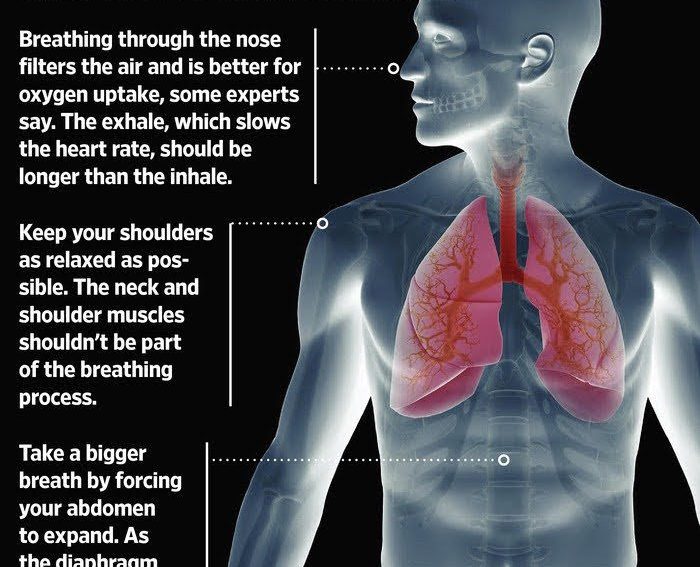
Dr. Vranich says she instructs clients to breathe with their abdomen. On the inhale, this encourages the diaphragm to flatten out and the ribs to flare out. Most of us by instinct breathe vertically, using our chest, shoulders and neck, she says. Abdominal, or diaphragmatic, breathing is often taught in yoga and meditation classes. Experts say air should be breathed in through the nose, and the exhale should be longer than the inhale. Dr. Vranich recommends trying to breathe this way all the time but other experts say it is enough to use the technique during stressful or tense times or when it is necessary to focus or concentrate.

Slow breathing stimulates the vagus nerve, which runs from the stem of the brain to the abdomen. It is part of the parasympathetic nervous system, which is responsible for the body’s “rest and digest” activities. (By contrast, the sympathetic nervous system regulates many of our “fight or flight” responses.) The vagus-nerve activity causes the heart rate to decrease as we exhale, said Richard Gevirtz, a psychology professor at Alliant International University in San Diego. Vagal activity can be activated when breathing at about five to seven breaths a minute, said Dr. Gevirtz, compared with average breathing rates of about 12 to 18 breaths a minute.

The vagus nerve’s response includes the release of different chemicals, including acetylcholine, a neurotransmitter that acts as an anti-inflammatory and slows down digestion and the heart rate, said Stephen Silberstein, director of the Jefferson Headache Center at Thomas Jefferson University in Philadelphia who is working on an article on the vagus nerve and its functions.When medical conditions are severe, such as with epilepsy, medical devices are sometimes implanted to stimulate the vagus nerve. For most people, slow, steady breathing is a natural way to stimulate the nerve. Certain conditions, including asthma and panic disorders, have been shown to benefit from a different breathing technique—taking shallow breaths through the nose at a regular rhythmic speed of eight to 13 breaths a minute. For these patients, already anxious about their symptoms, deep breathing can cause them to take in too much air and hyperventilate.

Heart-rate-variability biofeedback uses breathing to train people to increase the variation in their heart rate, or the interval between heartbeats. The technique has been shown to have benefits for conditions including anxiety disorders and asthma. Biofeedback also makes breathing more efficient, said Paul Lehrer, a clinical psychologist at Robert Wood Johnson Medical School, part of Rutgers University in New Jersey. On average most people reach this balance when breathing 11 seconds per breath.

Spire, the device that tracks individual breathing patterns, is a pedometer-like device that can be clipped onto pants or a bra strap and can sense breathing patterns without touching the skin. A sensor detects subtle torso expansions and contractions, said Stanford’s Dr. Moraveji. The device identifies people’s baseline breathing patterns and can tell users when they are tense or may need to take a deep breath. It includes an app that guides people in breathing exercises as short as 30 seconds.

Dr. Moraveji’s research includes a 2011 Stanford study of 13 students that found subjects on average took 16.7 breaths a minute when they were doing normal computer work compared with 9.3 breaths a minute when they were relaxed, he said. The study was published in the proceedings of the annual ACM Symposium on User Interface Software and Technology.

A follow-up study involving 14 subjects found that giving feedback of breathing patterns on a computer screen allowed the subjects to control their breathing without decreasing their performance on an analytical task, Dr. Moraveji said. “We proved that because the breath is so easily controllable, you don’t have to interrupt your task in order to regulate your nervous system,” he said. The study was presented at the ACM CHI Conference on Human Factors in Computing Systems in 2012.

Dr. Vranich, the breathing coach, believes teaching people to unlearn dysfunctional breathing habits requires practice and exercises. Her group classes cost $150 for a three-hour workshop and private classes range from $350 to $450. On a recent afternoon, she held a private session in her Manhattan studio with Joe March, a 40-year-old New York City firefighter who said he wanted to improve his lung capacity and condition for Brazilian jujitsu, a form of martial arts he practices.

Dr. Vranich positions many of her clients upside down, to better exercise the diaphragm muscles. She assisted Mr. March into a shoulder stand against a wall as she monitored his breathing. “Inhale, relax, and see if you can expand right by your diaphragm,” she said. “Exhale, squeeze your ribs at the same time.”

Earl Winthrop, a 60-year-old partner of a Boston wealth-management firm, is another of Dr. Vranich’s clients. “When I was working on the computer, I wasn’t breathing properly,” said Mr. Winthrop, who now does tailored breathing exercises and short bouts of meditative breathing. “I’m much more aware now. I feel more focused. I can calm myself down,” he said.


SOURCE…http://www.wsj.com

Breathing And Your Brain: Five Reasons To Grab The Controls

The advice to “just breathe” when you’re stressed may be a cliché of Godzilla-sized proportions, but that doesn’t make it untrue. The substance behind the saying is research-tested—and not only to manage stress.

Breathing is an unusual bodily function in that it is both involuntary and voluntary. Other major functions—take digestion and blood flow, for example—occur without conscious influence, and for the most part we couldn’t influence them if we tried. They are involuntarily managed in the vast processing system of the unconscious mind.

Breathing is also managed in the unconscious, but at any moment we can grab the controls and consciously change how we breathe. We can make our breathing shallow or deep, fast or slow, or we can choose to stop breathing altogether (until we pass out and the unconscious takes over again).

Since we are breathing all the time, the oddness of this dual-control system doesn’t usually dawn on us—but it’s this control flexibility that makes breathing especially worthy of attention. We can change how we breathe, and to an extent change how breathing affects our bodies.

Controlled breathing, also known as “paced respiration,” “diaphragmatic breathing” and “deep breathing,” has long been a feature of Eastern health practices. It became more visible in the West after Dr. Herbert Benson’s book,“The Relaxation Response”, hit shelves in the mid 1970s. Whatever you choose to call controlled breathing, the dynamic at work is full oxygen exchange: more oxygen enters the body and more carbon dioxide exits.

The basic mechanics of controlled breathing differ a bit depending on who is describing them, but they usually include three parts: (1) inhaling deeply through the nose for a count of five or so, making sure that the abdomen expands, (2) holding the breath for a moment, and (3) exhaling completely through the mouth for a count longer than the inhalation.


1. Managing Stress.

This is the most direct application of controlled breathing and the one we hear about most. Our brains are routinely on high alert for threats in our environment—we’re wired to react defensively to anything that hints of imperiling us physically or psychologically.

Controlled breathing may be the most potent tool we have to prevent our brains from keeping us in a state of stress, and preventing subsequent damage caused by high stress levels.  The relaxation response is a built-in way to keep stress in check.

2. Managing Anxiety.

The means by which controlled breathing triggers the parasympathetic nervous system is linked to stimulation of the vagus nerve—a nerve running from the base of the brain to the abdomen, responsible for mediating nervous system responses and lowering heart rate, among other things.

The vagus nerve releases a neurotransmitter called acetylcholine that catalyzes increased focus and calmness. A direct benefit of more acetylcholine is a decrease in feelings of anxiety.Stimulating the vagus nerve may also play a role in treating depression, even in people who are resistant to anti-depressant medications.

3. Lowering Blood Pressure and Heart Rate.

Research suggests that when practiced consistently, controlled breathing will result in lower blood pressure and heart rate, which in turn results in less wear and tear on blood vessels.  As described above, the vagus nerve plays a key role in this response.

Over time, using controlled breathing to lower blood pressure and heart rate can help prevent stroke and lower risk of cerebral aneurysm.

4. Sparking Brain Growth.

One of the more intriguing research developments involving controlled breathing is that when it’s used to facilitate meditation, the result can be an actual increase in brain size. Specifically, the brain experiences growth in areas associated with attention and processing of sensory input.

The effect seems to be more noticeable in older people, which is especially good news because it’s the reverse of what typically happens as we age—gray matter usually becomes thinner.  The result is consistent with other research showing an increase in thickness of music areas of the brain in musicians and visual-motor areas in the brains of jugglers. As in those cases, the key is consistent practice over time.


Source…www.forbes.com


0057e98209dac036dd8f

Don’t Blame The ‘Obesity Gene’ If You Can’t Lose Weight

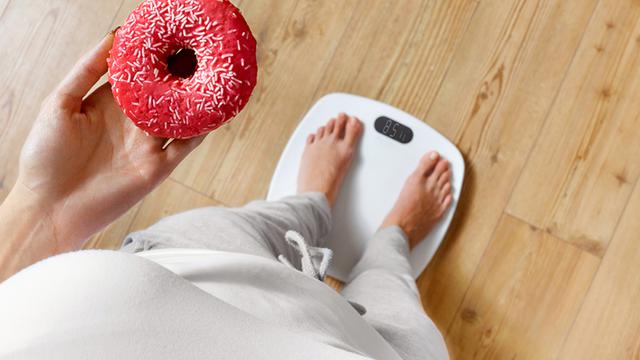
As a soceiety in todays modern times we are encountering an alarming problem at an unbelievable pace in this country. The majority of individuals in the United States  are over wieght. Struggling with weight loss? It’s understandable why you’d blame a genetic predisposition to being heavier, especially if your parents or other family members are overweight. But according to a new study published in The BMJ, your genes don’t actually make it harder for you to drop pounds.

First off, it’s been proven that some people do have a specific gene linked to obesity. The “obesity gene” is also known as the “FTO gene,” and those who have it are 70 percent more likely to become obese during their lifetime than those without it, according to University College London. They also weigh more on average than people who don’t have the gene.

But this research sought to confirm or disprove the idea that it’s also harder for these people to lose weight. So researchers from Newcastle University compiled data from almost ten thousand subjects of previous studies, both with and without the obesity gene. Turns out, there was no correlation between having the gene and having a harder time losing weight.

In light of the global obesity problem, there’s been discussion in the medical community about testing obese people for the gene in order to aid them in creating a weight loss plan. The authors of the study note, however, that the “results suggest that screening for the FTO genotype in routine clinical work would not predict weight loss success. Future public health strategies for the management of obesity should aim to induce long-term improvements in lifestyle behaviors, principally eating patterns and physical activity, since these will be effective in achieving sustained weight loss irrespective of FTO genotype.”

In other words, those with the FTO gene are more likely to become obese than those without it, but they don’t face any additional difficulty when it comes to losing excess weight, whether or not it was caused by the gene’s presence. “You can no longer blame your genes,” said John Mathers, Professor of Human Nutrition at Newcastle University, in a press release. “Our study shows that improving your diet and being more physically active will help you lose weight, regardless of your genetic makeup.”

This is good news for those with the FTO gene; traditional weight loss methods can be effective for everyone, regardless of their genetic makeup. Now get out there and get healthy! We suggest starting with our 30-day weight loss challenge and the 10 rules of weight loss that last. You’ve got this.

SOURCE…http://newsmasterapp.com

Stretch on mat pic 660x3301

Post-Workout Behavior, Why It Matters

Do wonders for your workout.

Follow these after-exercise tips … Often, we feed the “fitness meter” its daily investment only to exit the Center and overcompensate for our healthy activity. Suddenly, we may feel entitled to eat that cheeseburger and fries, followed up with a couple hours on the couch watching mindless TV. Use your post-workout actions to enhance your fitness efforts. A healthy lifestyle goes beyond a daily exercise session. Follow these tips to maximize your fitness efforts:

EAT Well.

An intense workout does not justify a junk-food binge or even a big meal. We often assume we burned more calories than we actually did. An effective solution: Focus less on food’s calories and more on how much activity it actually takes to burn off that food. For example, a popular fast-food grilled chicken ranch BLT sandwich (approximately 440 calories) would take a 154-pound, 5’10” male about an hour of weightlifting to burn off. One post-workout indulgence can cancel the benefits of an entire fitness session. After your workout, keep the healthy vibe going with a nutritious snack or meal packed with the protein and carbs needed to replace essential nutrients used during exercise. Smart post-workout food choices also help the body recover better from the physical exertion expended—and increase your fitness success.

Rehydrate.

Water consumption is essential before, during, and after a workout. Experts suggest drinking 24 ounces of fluid for each pound lost during exercise. This can be determined by weighing yourself before and after a workout.

Drink beyond your thirst. Thirst is not always an accurate indicator of hydration. Monitor urine frequency and color to assure you are consuming enough fluids. After an intense or lengthy workout, consider a sports drink to replenish lost electrolytes as well.


Stretch.

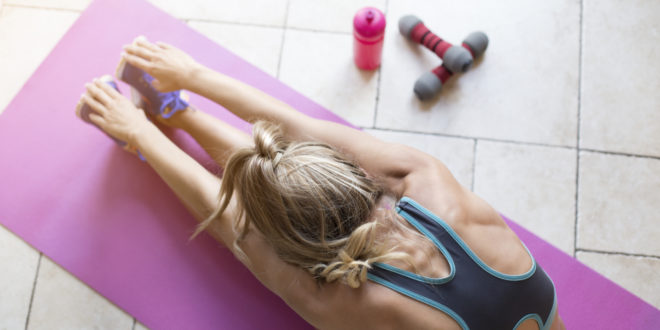
Your future self will thank you a thousand times for stretching regularly, especially after exercise. Those who skip this essential part of their workout, including young athletes, live to regret it. The negative effects appear in joints and muscles later in life, causing everything from decreased range-of-motion to chronic aches.

Schedule 10 to 15 minutes at the end of your workout to complete a full-body stretch. Muscles will be warm and flexible then, allowing for easy, deep stretching. This post-workout habit helps prevent injuries, and maintains healthy joints and muscles. It also acts as an overall cooldown for the body, which helps the heart and circulatory system transition.

Keep Moving .

How we spend time beyond the workout has a significant impact on health and weight loss goals. Research continues to reveal the importance of movement throughout the day. Physical activity helps burn calories and improve overall health. Formal fitness is a positive and essential element of a healthy lifestyle. Yet, the benefits can be negated by sedentary habits the rest of the day.

Regular exercise definitely improves your health. However, avid exercisers can unintentionally increase their risk for heart disease, obesity, and other health issues by how they spend the rest of their waking hours. By staying mobile, you improve your health and continue to burn a bunch of calories beyond what you accomplish at the Center. Easy, ongoing movement also helps keep joints and muscles flexible.

Don’t sabotage your workout efforts. Complement them! Follow through fitness with the healthy habits your body deserves.


READMORE…Fitnessandwellnessnews.com


HEADoutofchair 95167208 e1471982822273

Burnout Can Happen To Any Athlete. Here’s How Two Of The World’s Best Got Over It

Anthony Ervin and Jax Mariash Koudele are both high-performance athletes. At age 35, Ervin is the oldest male swimmer on the U.S. team at the 2016 Olympic Games in Rio de Janeiro, competing in his third Olympics. He has racked up two gold medals at Rio, one in the 50-meter freestyle and one as part of the 4×100 freestyle relay team, racing in the prelims.

Koudele, 36, an endurance runner from Jackson Hole, Wyo., is on pace to become the first woman to complete the Grand Slam Plus, a series of seven-day, 155-mile running events in extreme climates. Koudele was the female champion in Namibia and China and the second-place female racer in Sri Lanka. She heads to the Atacama Desert in Chile in early October and is on track to finish the series in Antarctica this November.Both are competing at the highest levels in their respective sports, but both have burned out and quit their sport in the past. Yet they found their way back. How?What is burnout? What most people think of as burnout — complete physical and emotional exhaustion — is really just the last and worst phase of burnout, says Keith Kaufman, a sports psychologist who teaches at Catholic University.

The first stage is a sense of staleness, where performance lacks crispness and energy. The second stage, over training, is where performance begins to plateau. Kaufman said there’s a fine line between being at peak performance and overtraining because it’s so easy for athletes to overdo it. The final stage of exhaustion and withdrawal is what Kaufman said is the endgame for burned-out athletes. And once you start going down that road, it can be hard to stop. “You may see staleness, you might see over training, but you feel like you can’t stop. That’s where you see burnout really taking hold,” Kaufman said. And it can affect anyone who specializes in one activity — even kids on sports teams. Studies in youth sports are showing that burnout increasingly can be found among younger athletes who compete in a high-intensity environment, already specialized in a single sport, without an offseason.Types of motivation Motivation is key to understanding — and fighting — burnout. Kaufman describes motivation in two forms: intrinsic, where your motivation comes from within your own sense of doing well, and extrinsic, where outside incentives drive you.

Kaufman said today’s culture of sports drives intrinsic motivation out of athletes because instead of something being fun, it becomes a job.As they get more specialized, athletes think, “ ‘Now, I’m going to get serious. . . . I have to get this scholarship or get this medal,’ and it becomes stress,” Kaufman said. “It becomes an obligatory task and chore, and that changes everything.”Ervin won gold in the 50-meter freestyle at Sydney in 2000, then retired three years later at age 22. He had dreamed of the Olympics since his youth, and when he reached the top of his game, it forced him to question his reasons for continuing an all-consuming endeavor.

“Once I reached the summit . . . and after taking it in, I didn’t feel compelled to stay there ,” he said.Ervin climbed out of the pool and stayed out for years, taking on what he called a rock-and-roll lifestyle and falling out of shape. He said he spent years looking for a sense of self outside of being a swimmer .Koudele was a track star in high school but turned to triathlons after feeling burned out on running. Koudele came back to running years later because “I just missed running. It was so simple.” She took to road racing, but after tiring of roads, she pivoted toward trails, which led her to the Grand Slam Plus.

Koudele said she’s struggling with motivation in the midst of her quest to win the series. She runs two businesses and also is raising money for the LymeLight Foundation, which funds research to combat Lyme disease. She said she feels worn out, working to find the balance between competition and recovery.“Somebody asked me what’s the hardest part about the Grand Slam Plus series, and I really do think that one of the hardest challenges — especially when you’re trying to win them all — is staying at that level of training, mentally, and staying at that level of fitness for a whole year,” she said. Fighting burnout The cure to burnout is simple yet incredibly hard: recovery and renewal.

Kaufman said part of the problem is that athletes (and people in general) tend to compartmentalize their stress: There is work stress and relationship stress and sports stress. Most don’t realize that stress is stress across the board.If you can’t carve space and can’t pause from the hamster wheel and commit yourself to some recovery or some balance in your life, then [burnout] is what is going to happen,” Kaufman said. He said that if you reach complete exhaustion, “your body will take the rest if you don’t give it to it.”

Koudele said changing up sports and changing goals helped her, as well as finding times within her training for renewal. While in San Francisco for a work meeting earlier this year, she needed to complete a 90-minute training session. As a child, she loved the Golden Gate Bridge, so she set her GPS device to cross the bridge as part of the session.“And it was so fun because you forget about the fact that, ‘Oh my gosh, I had to run for 90 minutes when I’m really tired.’ Instead it was, ‘Oh, I’m going to do a fun project that I wanted to do since I was a kid.’ ”Getting back to a childlike sense of intrinsic motivation is the key to protecting against burnout, Kaufman said.

With Ervin, seeing the kids he was coaching in Brooklyn embrace swimming is what brought him back into the pool. “I just wanted to recapture that playfulness of being in the water,” Ervin said.In getting back into shape, Ervin said he felt he still could be competitive, and through some encouragement from the U.S. swim team coaches, he headed for the 2012 Olympic trials and made the team.Now, four years later at Rio, Ervin is fully engaged, mentoring the younger swimmers and swimming with the right mind-set. When he asks himself, “Why am I doing this?” he can find gratification in simply being in the water. “I enjoy the labor in and of itself,” he said.


READMORE…WashingtonPost.com

http   prod.static9.net .au   media Network Images 160726coachrunner1

Are Hot Workouts Healthier?

Latosha Lovell is always willing to try something once. “That’s sort of my philosophy about life,” says the 45-year-old interior designer in Pasadena, California. So when a friend invited her to check out The Sweat Shoppe , a new heated spin studio in North Hollywood, last March, she saddled up. The workout, she thought, could be the perfect cardio substitution for her regular treadmill sessions that had begun to wear on her knees.

That first class was a fog. “I was totally exhausted and a little confused” afterward, Lovell recalls. But the prevailing memory is a positive one: “I felt completely amazing.” She soon began taking up to five classes at The Sweat Shoppe each week and now credits the studio with her 8-pound weight loss, strong lower body and core, reduced environmental allergies   and mental grit. “It’s greatly improved my quality of life on the health level,” she says.


While The Sweat Shoppe is the country’s first heated spin studio, it’s not the only place taking a cue from Bikram yoga – a style of hot yoga that took off in the 1970s. Plenty of studios are turning up the heat during exercise classes, a practice that owners claim intensifies workouts, among other benefits. Gym-goers are eating it up: The Sweat Shoppe, for one, opened with both heated and non-heated classes, but switched to exclusively offering hot classes to keep up with the demand, says Mimi Benz, who founded the studio with her spin instructor husband in 2011 after a broken air conditioner in a spin class spurred the idea.

“People were really into the heated thing,” she says. The studio has since relocated to a larger space and has seen a relatively consistent 30 percent growth in revenue year over year, Benz says. The heated classes at Corepower Yoga, a studio chain that fuses the mindfulness of yoga with the intensity of other workouts, meanwhile, are the most popular and widely offered, says Heather Peterson, the company’s chief yoga officer. The chain opened its first studio in 2002 and now has 150. “A lot of people just love a really good sweat,” she says.

READMORE…health.usnews.com

OneonOne e1473192768757

How to Eat and Drink Like an Olympian

Many American households, have got their  TV  tuned to one thing since August 5: the Olympic Games in Rio. It’s always fun to watch the athletes really going for it and there has been plenty to keep us tuned in, like the colorful rivalry between American swimmer Michael Phelps and his South African foe, Chad le Clos.

Fueling for Fitness

While the athletes always make everything look effortless, so much goes into their training in order to prepare them for competition. Not only does it take hours of exercise to hone their muscles, improve their speed and sharpen their mental focus , they also spend a lot of time fueling up before practice and eating to properly recover so they can train again the next day. Diet is a key part of an athlete’s training program.

The U.S. women’s soccer team was unfortunately knocked out of the competition by Sweden last week. But Julie Johnston, a pro soccer player for the Chicago Red Stars and a defender for the U.S. women’s national team trained hard to get to Rio. I had a chance to speak with Johnston leading up to the games and was impressed with the focus she places on eating healthy. In fact, she looks at it as her secret weapon. “You’re trying to find your edge in the sport and obviously, nutrition is one of them,” she says.

With about four hours of daily training, Johnston likes to fuel up with a big breakfast that consists of eggs  and toast or cereal, then she eats fruit closer to game time. Immediately after a game, her strength and conditioning coach serves the team smoothies with protein powder to help the athletes refuel quickly and get muscle repair underway. Following the smoothie, Johnston eats diced fresh mango to re-energize and get her appetite back before eating a full meal later on. Prior to Rio, she also worked on upping her hydration by adding electrolyte packets to her water bottles. She also focuses on foods with anti-inflammatory properties, such as turmeric.

Energy to Burn

Bob Seebohar is a sports dietitian who works with Olympic-level and recreational athletes of all ages, abilities and sports through eNRG Performance. I picked Seebohar’s brain to get a glimpse into what really goes into an athlete’s body before and after those important training sessions.

According to Seebohar, a typical pre-training meal is about two to three hours before the workout or event and contains a mix of carbohydrates, protein and healthy fats to maintain steady blood sugar levels. For example:

  • Granola with yogurt and fruit
  • Oatmeal with fruit, nuts and a scoop of almond butter
  • Toast and eggs
  • Smoothies and purees are ideal, especially closer to an event, as they are digested more quickly than solid food

Hydration – It’s Not Just About the Water

While carbs are necessary fuel for energy and protein is paramount for muscle growth and repair, the role of hydration  is something that can’t be underestimated. In fact, when some professional athletes are in training camp, they have to submit a daily urine sample to monitor their hydration status.

Loss of electrolytes in sweat can lead to cramping during events. Dehydration can also impede recovery and make athletes feel more sluggish and sore after training or competition. Sodium is the major electrolyte lost in sweat. Others include potassium, magnesium and calcium.

Electrolytes are charged particles that bind to water in our cells, which helps our bodies retain water. They also help move water into the blood and cells through osmosis. While we usually hate the thought of retaining water, it’s important to do so after intense exercise to help with rehydration. If athletes only replace the water they’ve lost, but not the sodium, the water will simply pass through their body without being absorbed. Athletes can add electrolyte packets to their water bottles, but generally you can replace the sodium you lose in your workouts simply through the meal you eat following exercise. Products like Clif Hydration Electrolyte mix can also be helpful, especially in the crazy hot and humid weather we’ve experienced this summer.

Recovery

Refueling, ideally within a 30-minute window post exercise, is incredibly important for athletes, especially when they have back-to-back events. Carbohydrates are needed to replenish glycogen stores and protein is necessary to help repair the small muscle tears that happen during exercise. Antioxidant-rich foods are helpful to combat the oxidative stress that occurs from intense activity.

While you don’t need to pay as much attention to each pre-workout snack as U.S. gymnast Simone Biles, it’s smart to think about your fuel and hydration to maximize your performance during workouts. And it’s not as complicated as you might think. As Seebohar says, “Many recreational athletes think that Olympians follow different nutritional plans. At the end of the day, they are usually just better at planning, preparing and implementing their food plan to align [with their training schedule].” After all, even mere humans like us like to go a little bit faster and feel just a smidge stronger, too.

 READ MORE Health.usnews.com

When Food Replaces Feelings

Let’s face it: For most of us, food is much more than merely fuel for our bodies. From grandma’s apple pie to mac and cheese we enjoyed as a child to chocolate  mousse shared with a significant other, food can evoke memories and emotions, particularly feelings of comfort or love.

But there’s a big difference between nurturing yourself from time to time with comfort food and using food to insulate you from your feelings and emotions, which can undermine attempts to shed pounds and maintain a healthy body. When eating becomes a method of self-medicating – or numbing yourself to feelings – emotional eating  crosses over into the realm of concern. Emotional eating is reaching for food to quell feelings, rather than hunger. Over the years, I’ve learned that understanding and addressing the emotional aspects of over eating and weight management are just as important as nutrition and exercise.

While the eating plan I share with my clients is simple, following it can be a challenge if you’ve fallen out of touch with your body’s hunger cues and developed bad habits or an unhealthy routine. Emotional eating doesn’t help either.

Stress, anxiety , loneliness  and fatigue are common triggers for emotional eaters, particularly women. If one of your happiest moments growing up with your six siblings was sitting at the kitchen table eating mom’s spaghetti with tomato sauce, you may crave pasta when you’re feeling lonely or blue.

But differentiating physical hunger and emotional hunger can be difficult, especially if you’ve spent your life stuffing your emotions by reaching for food. So here are some key differences to keep in mind that will help in recognizing emotional eating:

  • Emotional hunger comes on suddenly. Physical hunger typically comes on gradually, and you may have physical signs like your stomach growling.
  • Emotional hunger craves specific – and in most cases, unhealthful – foods. When you’re physically hungry, almost anything will do, including healthful foods.
  • Emotional hunger results in mindless eating. Did you just down a pint of ice cream before bed without realizing or enjoying it? Polished off a sleeve of cookies in front of the television after work? Inhaled a drive-thru burger while crawling home in rush-hour traffic? These are most likely examples of emotional eating.
  • Emotional hunger is never satiated. You want more and more until you’re stuffed – or find yourself in a “carb coma,” slumping after eating too much.
  • Emotional hunger has repercussions. These include guilt, shame and regret, to name a few. Physical hunger never leaves you feeling badly about yourself.

While most of us at one time or another during our lives have eaten food for reasons other than being hungry, some grapple with emotional eating much more than others. If you feel that you might be an emotional eater, you’re not alone. Experts say as much as 75 percent of overeating may be in response to emotions, rather than to satiate physical hunger.

Many people, particularly those who’ve struggled on and off with dieting most of their lives, have disconnected from their bodies, learning to ignore signs of hunger and the cues that signal fullness. Without mindfullness  – awareness of what you’re feeling both physically and emotionally – emotional eating can become a knee-jerk reaction to the onset of uncomfortable feelings.

Get In Touch With Your Feelings

The first step in establishing a healthy relationship with food is to reconnect with your body and emotions. Understand, though, that it takes at least a month to create a new habit. And if emotional eating has been a longstanding habit, you won’t be able to change it overnight. Be kind and patient with yourself.

Start to notice how you feel when you reach for food. Are you using food to cope, going to the fridge when you’re angry or upset? Acknowledge your feelings and take a detour. Ask yourself: What’s going on? What is this emotion I’m feeling? Then find a different way of dealing with it.

One thing you can do if you are feeling bad – but can’t identify the exact emotion – is to merely be aware of the fact that you’re feeling bad. Say aloud, “I’m feeling really bad right now,” and try to quantify how bad you’re feeling on a scale of 1 to 10.

Also, determine your “feeling bad” thresholds. For example, if your “bad” rates a 5 or higher, you may need to call a friend. A lower level may warrant you working it out on your own by going for a walk walk  or meditating . Do something that will make you feel better, not worse.

Affirm Your Values

Researchers believe that reflecting on values can serve as a buffer to the stress and uncertainty that lead to emotional eating and help in maintaining self-control in difficult situations. One study found that when women who were unhappy with their weight completed a one-time, 15-minute writing exercise about an important personal issue, they went on to lose 3-plus pounds, on average, over approximately three months. By comparison, those who wrote about an unimportant topic gained an average of 3 pounds.

So pull out your food journal , set the timer and write freely about what’s important to you. Write as though no one else will read it. Come clean about what’s bugging you. Your words may surprise but enlighten you.

Follow these steps to take note of what you’re feeling and deal with emotional eating:

1. If you have the urge to eat, pay attention to your feelings.
2. Before you reach for food ask yourself: Have I missed a meal? Have I eaten my snack? Am I really hungry?
3. If you have eaten on schedule, and you determine this urge could be emotional eating, acknowledge that you may have gotten into a habit of trying to fix your troubles with food. Don’t panic. You’re not alone.
4. Try, for just 10 minutes, to deal with your urge with something other than food. Consider these alternatives instead:

  • Go for a walk.
  • Breathe deeply.
  • Pray or meditate.
  • Call a friend.
  • Measure your hunger cues
  • Write in your journal.
  • Do something to feel good about yourself. For example, take a bath, do your nails or make that household repair you’ve been putting off. Shoot some hoops or get a haircut.

Our emotional states can change minute by minute or hour to hour. If you still have a craving or urge after 10 or 15 minutes, go through the process again. Many times the urge or craving will pass. If you are still really hungry, eat something healthful that you will feel good – not guilty – about.

You can be diligent with your food intake and journaling , and perform like an athlete , at the gym. But if you do not acknowledge, assess and deal with any underlying emotional issues that contribute to overeating, any weight you lose will come back. I guarantee it.


ReadMORE…. Health.USnews

1 7 8 9 10 11 13