
Category Archives for "Good Fuel"

mainfoodsjjj.jpg1

A Look Into Why What We Eat Affects Everything


Robynne Chutkan, MD,is an integrative gastroenterologist and founder of the Digestive Center for Women , just outside of Washington, D.C. She trained at Columbia University and is on faculty at Georgetown, but her approach to practicing medicine and understanding disease is more holistic than many specialists with academic backgrounds. She has also appeared on The Dr. Oz Show (of which I’ve been openly skeptical in the past, because of Oz’s tendency to divorce his recommendations from evidence ).Chutkan’s first book comes out today. You might pick out an Oz-ian air to the title: Gutbliss: A 10 Day Plan to Ban Bloat, Flush Toxins and Dump Your Digestive Baggaage.. Oz even endorses it on the back of the jacket: “Dr. Chutkan blasts away the bloat as she tastefully explains the guts of our problems.”


Dr. Chutkan helped me reconcile some of this—blast away a little bloat, if you will—on simplifying medicine, subspecialists embracing therapies aimed at overall wellness, why a gastroenterology clinic would be sex-specific, and how to think about the whole gluten-free idea; among other answers to questions I wouldn’t have thought to ask.

The title of your book is catchy and uses this evocative term “gutbliss.” Id not heard it before. Did you come up with it, and what does it mean?

I did come up with it. The earlier part of my career, my first eight years after my training I was at Georgetown full-time in an academic practice seeing patients in my area of expertise, which is Crohn’s disease and Ulcerative Colitis. I was treating people who had serious medical problems, we were doing complex procedures, and prescribing complicated drugs with a lot of side effects. And then things sort of shifted for me. I began to feel like academic medicine didn’t pay enough attention to the contribution of diet and lifestyle and stress, to digestive health, which felt, to me, like an obvious connection.

So I decided to open an integrative practice where we focus on additional things besides the illness, like the things that created the illness. I switched from being at the top of the pyramid treating people at the end-stage of the disease, to the base of the pyramid counseling more people who were starting to have symptoms, but didn’t necessarily have bad diseases yet. So “gutbliss” for me evokes this idea of how you can create wellness in your digestive tract. And this blissful gastrointestinal tract has a lot to do with how you eat and how you live, since most diseases don’t just fall out of the sky into your lap.
I had started a nonprofit in ’09 called Gutrunners, which was sponsored by one of the large GI societies, and we put on races at our national GI meetings, and the idea was to focus on the contribution of nutrition and exercise in preventing digestive disorders. So, this whole “gut” thing for me was very natural.

People advised against calling the book Gutbliss and said, “Oh, it’s sort of in your face; it makes me think of stool and intestines.” But I think the intestines are beautiful and marvelous, so I wanted to include that. And I wanted to show how something that is, in many ways, closeted, mainly bowel movements and intestinal function, could actually be this wonderful, blissful thing. In fact, there’s a little bit of focus on this in the book. There’s a chapter on “Beauty and the Bloat,” on how what you put into your body, mainly your GI tract, profoundly affects how you look. So that was how I came up with the term “gut bliss.” Sort of combining the intestines, which people think of as not so lovely, with a blissful state of health.

You mentioned some things we could eat that might influence appearance. 

Skin disorders like rosacea, which a lot of people confuse with acne is a good example. A lot of people are using harsh things on their skin for this sort of redness on the cheeks and nose. Rosacea’s actually an autoimmune disease and, like most autoimmune diseases, we don’t actually know what causes it, but there’s a very strong association with something called dysbiosis, a bacterial imbalance and overgrowth of the wrong kinds of bacteria in the gut.

When I work with people on their diet, whether it’s cutting back on dairy, or switching them from a starchier, sugary processed diet, to a more plant-based way of eating, their skin often clears up. And I sort of joke with my friends because they’re like, “Aren’t you a butt doctor? Why are you so obsessed with the skin?” And I’m like, “Well, I’m more than a butt doctor.”

But, I find there’s such a fascinating skin-gut connection. One of the things I talk about in the book is the idea that the skin actually represents the outside of our GI tract, and the GI tract represents the inside of our skin.

You probably don’t know this because you probably don’t wear makeup, but when you put makeup on, like foundation and eye makeup and so on in the morning, by the end of the day it’s gone. Literally gone—it looks like you don’t have anything on. Where does it go? It gets absorbed into our body. And the opposite thing can happen when you eat certain foods; you can see the effect coming out on your skin. There’s this incredible connection between the two. And the same way we overuse antibiotics and expose our digestive tract to chemicals that alters this delicate balance between good bacteria and bad bacteria, we do the same thing to our skin. We use harsh soaps that contain chemicals that kill off a lot of the skin bacteria that are really important for healthy skin, and then our skin is dry and unhealthy and peeling. So there are a lot of parallels there. I think most of us have had that experience of seeing a person who has a real inner glow. Maybe if you’re 20 you just have good genes and you can have pizza and beer every day and still glow. But if you’re over 40, often there is a fair amount of kale involved. There could be some cookies and ice cream too, but usually the people who have that glow are doing something right, and it often involves getting sweaty on a regular basis and eating the right food.

The tagline of the book is “A ten-day plan to ban bloat, flush toxins, and dump your digestive baggage.” Can you give us a preview of what that is working towards, or some of the steps?
Sure. Full disclosure, I didn’t love that tagline. This really is not a diet book, and I wanted to be very clear on that. This is a book about how to achieve and maintain digestive wellness. Hippocrates said it first: All disease begins in the gut. The 10-day plan makes the information in the book more accessible to people. It’s very similar to the advice that I give patients in my practice. It’s not about eating a perfect diet every day. But ten days is actually enough time to make some changes and see some results. Maybe get rid of a lot of the sugary stuff, maybe get off the gluten, eat more plants, do some exercises using a light dumbbell on your tummy to get rid of gas. So it gives people some very simple but very effective things that they can do so that they can experience what it feels like to get rid of the bloat, to be regular, to not have digestive upset. And beyond not just having digestive upset, to experience a little of this gut bliss.

So once you do that, what about the rest of your life? It’s really about the 80 percent rule. Most of us are “toxing” 80 percent of the time and detoxing 20 percent of the time. And we should really think about flipping that—we should think about detoxing 80 percent of the time. And I’m not suggesting anything extreme. Today I did some work at home, I made a fruit and veggie smoothie for breakfast, went to spin class, I met some people for lunch, and I had a kale salad with roasted chicken and a big bottle of water. Nothing so profound, but all healthy stuff that made me feel good. And if you’re doing that 80 percent of the time, you can tolerate that 20 percent of debauchery in whatever form that might be, whether you’re drinking a bit too much, or not exercising, eating the wrong food, having too much ice cream. And then we don’t have this need to constantly be detoxing and cleansing all the time.

 Try to maintain these healthy habits about 80 percent of the time, and then 20 percent of the time you’ll have something that is not necessarily the best, but that you enjoy. It means you can go out to dinner and not be so rigid or careful about what you eat, but that most of the time you are paying attention. Because there’s this incredible disconnect I find in medicine today (and obviously there’s lots of commerce involved in this), that promotes the notion that disease just falls out of the sky and there’s no connection between how you live and what happens to you from a health point of view.

Of course there are diseases where we don’t know the cause, or they’re environmental, or it’s bad genes or bad luck, but certainly for a lot of the illnesses we see there is this connection. So this book tries to help people, and women, more specifically, make that connection that if you’re bloated—which can be such a large and confusing expression for women of things not being quite right in your GI tract—there are actually things that you can do to try and figure it out. You can be a bit of a medical detective, and you can look at these areas: is it the food you’re eating, is it something you’re drinking, is it lactose intolerance, is it gluten sensitivity, is it hormonal imbalance? Or, is it an anatomical problem? Do you have ovarian cancer, is it bad endometriosis, do you have a voluptuous female colon where your colon’s wrapped around your uterus?

Without giving specific medical advice, the book gives people ideas on what sort of places they can look. Because one of the things I see so often is women who come in and they’re given that pat on the head, and, “Oh, you have irritable bowel syndrome and here’s a Xanax. You’re just stressed out.” Sometimes there’s some truth to that, but when you dig a little deeper and slice up that irritable bowel syndrome pie, there often is something more tangible as well as a solution. There’s an undiagnosed parasite, there’s a food sensitivity, there’s undiscovered hypothyroidism. There’s estrogen dominance. There’s some reason, physiological, functional—or it’s because of something in the medicine cabinet. Some vitamin, prescription pill or supplement that’s not agreeing with you.

To just sort of say your bowel is irritable but we don’t know why, I feel like that’s not a real diagnosis. It’s like saying, “You’re tired,” and that’s your diagnosis: Well, you have tired disease and here’s a pill to take for the rest of your life to pep you up. So, again, why are you tired? And I think that’s what people, not just women, want. They want answers. And I think that’s why there’s so much investigation on the Internet that can lead to all kinds of problems down the road when you’re self-diagnosing pancreatic cancer and you really just have heartburn. The book provides sensible, practical information. It’s a bit of a roadmap and a guide for the woman who is bloated or has digestive problems, not instead of a doctor, but in addition to, to help her figure out where she should be looking.

Do you only see female patients in your practice?

Even though my clinic is called the Digestive Center for Women, I do see male patients. A lot of the patients I see have Crohn’s disease and ulcerative colitis, which affects men and women equally. About 10 percent of the patients I see are male.

What are some differences in the way you approach female patients as opposed to men? In my mind, at least, the digestive tract isnt something commonly thought of as a gendered part of the body.

I’m glad you asked that. There actually are some profound differences between the female and male digestive tracts. To start with, the female colon is longer than the male colon, on average, about 10 centimeters longer. We don’t know why, but we think part of that is to allow for more absorption of water or fluid during childbearing. Because you have to keep the amniotic fluid replete, and the circulation and blood volume increases during pregnancy.. And what that extra length in the colon does is create this redundancy, these sort of extra twists and turns, and that’s why women are so much more bloated and constipated than their male counterparts. So there’s that difference in length as well as redundancy. Think of the male colon as kind of a gentle horseshoe, and the female colon as being a tangled-up Slinky.

Not only is that due to the difference in length, but think of the pelvis. Women have this rounded, gynecoid pelvis so that when the uterus expands there’s room for a baby. Men have a narrow, android pelvis. What happens in women is that more of the colon drops down deep into the pelvis. In women, the colon is really right there mixed up with the uterus, and the ovaries, and the Fallopian tubes, and the bladder. In men, the only hardware you have is this little bitty prostate gland, and the bladder, and that’s it. So in men, most of the colon is up in the abdomen where there’s tons of room and not fighting for space with the reproductive organs, like in women. So that’s anatomical difference number two.
The third thing is that because of differences in hormonal levels with men having more testosterone on board, you guys have a well-developed abdominal wall. So even a man who’s overweight and has a big beer belly still has a tighter, more robust abdominal wall just because of the testosterone. Men will complain that they’re fat, but will rarely complain that they’re bloated because that tighter, more defined abdominal wall, the rectus abdominis sheath, which is, to some degree dependent on testosterone, that holds the bowel in place. It’s sort of a Spanx-type thing that muscular wall. In women, our abdominal wall is much less rigid and tight and doesn’t hold things in place as much, because of the difference in hormonal levels, so our bowels bulge out more, and we bloat more. And of course many women have had children, and their abdominal wall is stretched, and they may have something called a diastasis recti where there’s a split in the abdominal wall muscles because of the pressure from pregnancy. So the abdominal wall is the other big reason why men complain of being fat, and women complain of being bloated. Estrogen and progesterone can have really profound effects on the GI tract, whether you retain water or not, and how things move through your intestines. So, these are just some of the factors, not even getting into brain differences, but just from a hormonal and anatomical point-of-view.


Pelvic floor disorders in women are another big difference in the male and female GI tract. The pelvic floor is sort of like a hammock that all of the organs that are down in that area sit on—the bladder rests on it, the uterus rests on it, the bowels rest on it, and it often becomes stretched out after childbirth, or just with age, and things can start to descend. The uterus can change position and it can press on the bowels. So when you approach constipation in a woman, you always have to be aware of these pelvic floor issues. Because if you just do the basic things like give them a fiber supplement to help them get stuff out, and the problem is a pelvic floor issue, they’re actually going to feel worse; they’re going to be more bloated. You have to consider whether the sphincter may have been damaged during pregnancy or childbirth, or if the pelvic floor may have dropped. These are not considerations in men.

There are lots of different gender factors. Thyroid disease is much more common in women than in men,  so that’s one of the first things that I check in a constipated women. Perimenopause is another factor. And that isn’t just when you stop having your period. It’s really that decade before you stop menstruating, which for most women is going to be 40 to 50, sometimes 35 to 45 — and it can profoundly affect the gut and bowel habits. Men don’t go through that; that’s not a factor with men at all. So there are lots of different things that you have to think about when you’re approaching bowel issues in women.

You mentioned going gluten-free, and I wanted to get your take on that. It seems like a lot of people going in that direction dont have a diagnosis of celiac disease. What do you tell people who are interested in trying it? Is there evidence that people who tested negative for celiac disease still benefit?

First of all, I think it’s important to distinguish celiac disease from gluten sensitivity, because celiac disease is an autoimmune disease that is associated with a lot of other problematic things, like osteoporosis, iron deficiency anemia, arthritis, diabetes, even cancer. And if you have celiac disease, whether or not you have symptoms, it’s important to come as close as you can to 100 percent avoidance of gluten, because the ongoing exposure to gluten can damage the small intestine and lead to some of these other associated problems. So that’s the first thing I tell patients, is that we have to figure out what’s going on. And some patients say, Well, can’t I just empirically avoid gluten? And I tell them, no, because if you have celiac disease, you have to be 100 percent regardless of whether you have symptoms. If you have gluten sensitivity (but don’t have celiac disease) and you want to eat an almond croissant, go for it. Part of the issue is that the wheat itself is not what it used to be. It’s been hybridized and had  different things done to it to increase the crop yield and shorten how long it takes for the wheat to bear. One can make all sorts of scientific and unscientific arguments about what we’re meant to eat, but I don’t think we’re meant to eat animal crackers, for example. I think it’s a stretch to call the refined, processed wheat products a food group, but I also don’t think everyone needs to empirically avoid them all the time.

Certainly if you’re having digestive problems, it’s worth trying. I usually tell people to do a six-week elimination trial; if you don’t notice a difference there’s no reason to avoid it. But my biggest caveat is to tell people there’s no point in doing this and then eating gluten-free bread, and gluten-free pancakes, and gluten-free cookies. It’s sort of like sugar-free. If you’re diabetic, I would say to you, you should think about having fruit for dessert. I would never recommend that someone have sugar-free ice cream or a sugar free drink, because that stuff’s worse than the sugar quite frankly. The same thing applies to gluten. If you think you’re gluten sensitive and you feel poorly when you eat gluten, you should avoid wheat. It just makes sense. If you’re lactose intolerant you should avoid dairy. This is your body giving you feedback saying no, I don’t like this thing. But if you decide once a month, I’m going to have a sandwich using regular bread and I may not feel so great, but I don’t have celiac disease, just a sensitivity, I think that’s okay and I think that is preferable to eating gluten-free garbage every day. Gluten-free processed products can be just as bad for you as the regular stuff that contains gluten. They’re not providing you any nutrients, they’re empty calories. So that’s a big challenge that I face with some of my patients. If you’re just gluten sensitive, have a pancake on the weekend if you really want it, but don’t eat gluten-free cookies every day of the week and think that somehow this is being healthy. Just like I would never eat low-fat or sugar free ice cream. If I’m going to have ice cream I’m going to have the real thing—I’m just not going to eat it every day.

In terms of a mechanism for gluten sensitivity, do you think were going to find antibodies that were going to be able to quantify for people in the future? Or is this akin to an allergy?

I think it’s not going to be something that we can pinpoint easily. Like if you have rheumatoid arthritis and your joints are destroyed and we can see that on a X-ray and you have antibodies that we can measure. I think it belongs in that very grey area of food intolerances, and I think we have to have common sense about it. If you eat something and you feel sick, I don’t think you need a doctor, an antibody test, or an allergist to tell you that maybe you shouldn’t eat that thing. I love the point Michael Pollan makes about nutritionism and trying to make everything so scientific. We’ve just lost our common sense a little bit. If you drink milk and then you have gas and diarrhea and bloating and you feel terrible, I don’t think you need a doctor to tell you [that] you shouldn’t drink milk, or you should drink less of it. So much of food science is driven by food manufacturers and this huge market for products. I cringe when I see the gluten-free section of the supermarket—which is getting bigger and bigger. And it’s mostly a whole bunch of junk. If the package says gluten-free, don’t buy it because guess what, a potato doesn’t say gluten-free. A pineapple doesn’t say gluten-free, and a piece of chicken doesn’t say gluten-free. So if it says gluten-free on it, be wary. There are incredible fortunes being made in the gluten-free world, and I’m not sure they’re doing consumers much of a favor.


I feel inundated by gluten-free product marketing. It’s on labels right next to “sugar-free” and “low fat,” as if it’s becoming understood to be universally a good thing. Knowing that there’s a discrete mechanism behind lactose intolerancewe make less lactase [the enzyme that breaks down lactose] as we get older, some people genetically make less than others; not breaking down lactose leads to gas. The condition is explainable. We still wonder what it is about the insensitivity toward glutenin people who don’t have celiac disease, if it really is gluten that’s making us have these symptoms like mental fogginess, or whatever constellation of things some people associate with it.

This is sort of a simple way to look at it, but I think the farther differentiated the food is from the original source, the more likely you are to have some of these issues. That’s a huge oversimplification, but a thought, nonetheless.

SOURCE…www.theatlantic.com


Sunflower Cultivation in 008

The Secret Seed Monopoly

Detailed here in this article we’ll highlight the frightening truth about the shadowy corporations  that has their  hands and pockets  firmly attached  to one of  the basic component of our lives… “SEEDS”  .

By trade, Jack Kloppenburg is a sociologist and a professor at the University of Wisconsin. Lately, however, his job has entailed packaging seeds and mailing them to farmers, in addition to his normal teaching and grading duties. This change in routine was prompted by the unexpected popularity of the recently launched Open Source Seed Initiative (OSSI) a project spearheaded by Kloppenburg and Wisconsin horticulture professor Irwin Goldman. In mid-April, the initiative released 36 seed varieties, all free from the patent restrictions that limit much of the seed commercially available today.

“The thing went viral and it’s all over the place now,” Kloppenburg said. “We got 230 orders from eight countries, when we hadn’t even anticipated selling any seed.” The initiative’s goal is to provide an alternative to the patent-protected seeds sold by major producers such as Monsanto and DuPont, most of which require buyers to sign agreements that create strict limits on how the seed can be used. Farmers are generally prohibited from saving seed from their crops to plant the following year, for example; new seeds must be purchased for each planting. Seed giants like Monsanto argue that this approach encourages innovation by allowing companies to protect the investment of time and money they put into developing new plant varieties. Kloppenburg and his OSSI partners, however, find the practice unsettling.

“They are using intellectual property rights, especially patents, to separate farmers from a fundamental means of production,” he said. “Control of the seed is, in many ways, control over the entire food supply.”Furthermore, the concentration of the industry into a few big players – just three companies sell more than half the seeds on the market, according to the Center for Food Safety – means that the biological diversity of crops is declining, making our food supply less likely to adapt well to climate change, he said.Looking for solutions to these concerns, OSSI drew inspiration from the open-source software movement, which creates computer code available to anyone to study, modify, or distribute. Much open-source software is regulated by legally binding licenses that give users wide latitude to alter and even commercialize the code.

To adapt the open source concept to seeds, OSSI decided to use a less formal pledge rather than a licensing system. Each packet of OSSI seeds sold will be printed with a statement that reads, in part, “By opening this packet, you pledge that you will not restrict others’ use of these seeds and their derivatives by patents, licenses, or any other means. You pledge that if you transfer these seeds or their derivatives you will acknowledge the source of these seeds and accompany your transfer with this pledge.”

Though the pledge does not allow OSSI to take violators to court, Kloppenburg feels that this less restrictive approach is more within the spirit of the project, he said. He hopes the pledge will kickstart a movement toward seeds unrestricted by patents and legal agreements; he can, he said, imagine a day when “open-source seed” is a term used to attract sustainability-conscious shoppers in the way the organic label does today.”We don’t want to be police,” he said. “We want to make free seed a sort of meme, to raise people’s consciousness and awareness.”

Without legal protections keeping open-source seeds from being patented, however, OSSI’s approach is unlikely to solve the long-term problems, said Tom Stearns, founder of partner company High Mowing Organic Seeds. The company contributed just one seed to the recent release so that it can start small and assess how the open-source pledge actually functions in the market, he said.”I think this is a great start, but I don’t think it’s nearly enough,” Stearns said. “This is one attempt that I hope will be the beginning of many conversations and many attempts to address the intellectual property challenge.”

OSSI plans to incorporate as a nonprofit organization, but partners and customers are free to use the open-source seeds to make money, as long as they don’t patent any of their developments.The first round of seeds released includes quinoa, peppers, and squash developed by Wild Garden Seed in Oregon, lettuce and kale from Lupine Knoll Farm in Oregon, carrots bred by Goldman, and spelt from High Mowing Organic Seeds in Vermont. Currently, the initiative is selling sample packs of 15 seeds for $25 each, but the plan is eventually to link to individual partner breeders through the site, so customers can buy directly, Kloppenburg said.”We’re not necessarily in it to make as much money as we can,” he said. “We want to generate new options.”


SOURCE…www.theguardian.com


www.theguardian.com/sustainable-business/seed-monopoly-free-seeds-farm-monsanto-dupont Sent from my iPhone

organic1

Scientific Proof Organic Foods Are More Nutritious !!!

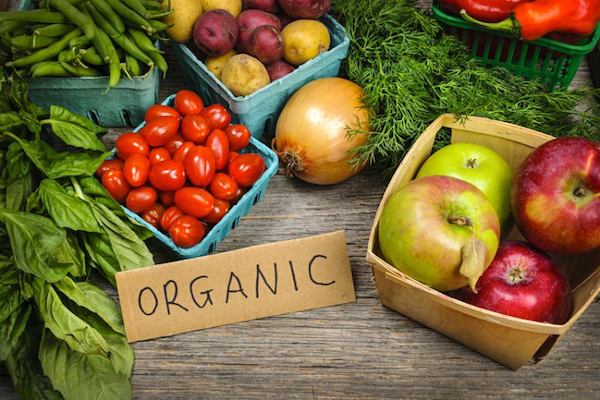
Must everyone who has ever selected their fruits and vegetables from the “organic” section while grocery shopping probably thought they were doing something good for their bodies and the environment. Yet the question of whether organic foods are in fact more nutritious than their conventionally grown counterparts remains a topic of heated scientific debate.

On Monday, the British Journal of Nutrition published research that disputed the notion that organic foods are essentially no more healthful than conventional foods. After reviewing 343 studies on the topic, researchers in Europe and the United States concluded that organic crops and organic-crop-based foods contained higher concentrations of antioxidants on average than conventionally grown foods. At the same time, the researchers found that conventional foods contained greater concentrations of residual pesticides and the toxic metal cadmium. “This shows clearly that organically grown fruits, vegetables and grains deliver tangible nutrition and food safety benefits,” said study coauthor Charles Benbrook, a research professor at Washington State University’s  Center for Sustaining Agriculture and Natural Resources.

However, the study’s findings came with some caveats. “The first and foremost message is people need to eat more fruits and vegetables,” Benbrook said. “Buying organic is the surest way of limiting exposure if you have health issues, but by all means, people need to increase their consumption of fruits and vegetables whether it’s organic or conventional.”To carry an organic label in the U.S., foods must be grown without synthetic pesticides, growth hormones, antibiotics, genetic engineering or chemical fertilizers.Scientists have hypothesized that organic plants produce more antioxidants and natural toxins to defend themselves against insects and other environmental threats.It’s not entirely clear to scientists whether the human body can absorb the extra antioxidants in organic foods and put them to use.Although Benbrook and his colleagues said they suspected the antioxidants could be used by the body to combat damaging free radicals, they could not say so conclusively.

“It is important to point out that there is still a lack of knowledge about the potential human health impacts of increasing antioxidant/polyphenolic intake levels and switching to organic food consumption,” the study authors wrote.Despite prohibitions on using synthetic pesticides, up to 25% of organic crops contain pesticide residues because of contamination during packaging or from trace amounts in drifting soils or tainted irrigation water, some researchers have said.When comparing organic and conventional crops, Benbrook and his colleagues found that conventionally grown fruits and vegetables were four times more likely to contain pesticide residues. That finding was based on 11 of the examined studies and did not evaluate the quantity of pesticides, Benbrook said.

Defenders of conventionally grown crops argue that any pesticide residues found are too small to pose a health risk.”Our typical exposures are at least 10,000 times lower than doses we can give to laboratory animals every day throughout their lifetimes and not cause any effects,” said Carl Winter, a pesticide and food toxin expert at UC Davis, who was not involved in the study. “If your concerns about pesticide residues are leading you to reduce your consumption of fruits and vegetables, then I think you’re doing yourself more harm than good.”

The findings about antioxidants and pesticide residues were not as surprising as the finding that organic foods were 48% less likely to contain cadmium.Study authors said it remained unclear why, and what the specific health consequences could be. More research was necessary, they wrote. Cadmium, which also is present in cigarette smoke, can cause damage to the liver and kidneys at certain levels.For that reason, the study authors said, people should try to minimize their cadmium intake. However, they wrote, “the exact health benefits associated with reducing cadmium intake levels via a switch to organic food consumption are difficult to estimate.”


SOURCE…www.latimes.com


foodinc

Is Capitalism To Blame for Worldwide Obesity?

Lets take a moment to really consider the truth about why people get fat? Doctors have proven this increases  their personal risk of heart disease, diabetes and other “lifestyle” diseases and society’s risk of fiscal collapse from the expense of treating millions of people with those ailments.  Conventional wisdom, favored by governments and a vast and growing  ” Wellness Industry” around the world, is that it’s because individuals can’t control themselves. Accordingly ( “trillions” / with a T)  of dollars, euros, yen, rupees and other monies will be spent in the next few decades to nudge people into jogging and giving up potato chips and dessert, for their sake and their nation’s fiscal capacity . It would be a damn shame if that turned out to be a colossal waste of money. But it may be, if we learn years hence that obesity wasn’t caused by individual choices at all. A number of researchers have been making this argument, pushing against received opinion, and of them, the most striking is probably this new paper :


The key cause of the global obesity epidemic, it says, is capitalism.

It’s a striking paper (perhaps the only one you’ll ever read that references both receptor pathways for the hormone leptin and data on the size of the Indian economy before and after the British took over). There is, for example, where it was recently published: Not in some obscure pool of Marxist theorizing, but in the peer-reviewed American Journal of Human Biology. The author, Jonathan C.K. Wells, is an expert on fat metabolism in humans who works at the Childhood Nutrition Research Centre at the Institute of Child Health of University College London. On the evidence of this paper, he is as far from an ideological ranter as a human being can be. He seems instead to be a scientist who has been driven to exasperation by conventional wisdom, which looks to explain obesity only within the narrow viewpoint of individuals and the calories they consume.

Let me paraphrase Wells’ intricate argument as a multigenerational saga. It begins with you, a poor farmer growing food crops in a poor country. Capitalism appears with your colonial masters when Europeans take control of your economy. The new system encourages you and your neighbors to stop growing your own food and instead produce, say, coffee for export. Now that you aren’t growing food, you need to buy it. But since everyone in a capitalist economy is out to maximize profit, companies strive to pay you as little as possible for your crop, and to pay your factory-worker children as little as possible for their labor. So capitalism has, first, removed various traditional protections against starvation by changing your farming system, and, second, made sure you aren’t paid enough to eat well.

Cut to 80 years later. Thanks to globalization and outsourcing, your descendants have risen out of the ranks of the poor and joined the fast-growing ranks of the world’s 21st century middle-class consumers. Capitalism welcomes them. They are now targets for efforts to get them to buy things they don’t need, which of course includes foods and beverages that you could never have afforded. They’ve been put at risk of obesity because capitalism encourages them to over-eat.

But that’s not the worst of it. As Wells describes in detail, there is a lot of recent research to suggest that a body’s physiological response to food is heavily influenced by experiences in the womb and in early life. Moreover, it’s also influenced by the environment that a person’s mother lived in—not just when that mother was pregnant, but also when she was a child, and even a fetus in the womb of her mother. So the effects of under-nutrition last a lifetime, and are even passed across generations. And those effects appear to promote obesity.

It seems under-nutrition in a person’s early life, or even similar food deprivation in the life of that person’s parents, can set the metabolism to create fat reserves quickly and keep them. In other words, if you or your parents or their parents were under-nourished, you’re at a higher risk of becoming obese in a rich-food environment. (As Wells explains, when food is insufficient, evolution favors bodies that make and keep fat reserves, and once this adaptation is set it can’t be turned off when food becomes more plentiful.) Moreover, obese people, when they have children, pass on changes in metabolism that can predispose the next generation to obesity as well. Like the children of under-fed people, the children of the over-fed have their metabolism set in ways that tend to promote obesity.

So a past of undernutrition, combined with a present of overnutrition, is an obesity trap (Wells memorably calls the “metabolic ghetto”) that can’t be escaped by turning poor people into middle-class consumers. In fact, that turn to prosperity is what sets off the trap. In India, China and many other rapidly expanding economies, capitalism itself caused under-nutrition in previous generations and now causes over-nutrition today.

In other countries (Wells cites Ethiopia, where he has done research), the two forces are at work at the same time, making some poor workers unable to eat well even as their richer compatriots switch to a diet of processed foods.) Since capitalism is the driver of both past and current under-nutrition and today’s over-nutrition, Wells has concluded that capitalism itself is a long-lasting world-wide “obesogenic” force. “Obesity,” Wells writes, “like under-nutrition, is thus fundamentally a state of malnutrition, in each case promoted by powerful profit-led manipulations of the global supply and quality of food.”

He buttresses this claim with some detailed theorizing about the biochemistry, physiology and epigenetics that link poor nutrition in early life and later obesity. As the environmental epidemiologist Paolo Vineis  pointed out in his review for the F100 website , Wells’ theory suggests plenty of questions that could be answered by both lab and field experiments. This is not an ideological screed; it’s a peer-reviewed proposal for a theory that connects work on the economics of food with work on the way that environment affect bodies and behaviors.

But aren’t we all free to choose not to participate in this fattening system? As Wells sees it, the “unifying logic of capitalism” is exactly the opposite of this cliché about free markets. We may think we’re free to choose what to eat and how to eat it, but, he writes, food companies maximize their profits by restricting our choices, “both at the behavioral level, through advertising, price manipulations and restriction of choice, and at the physiological level through the enhancement of addictive properties of foods” (by which he means those sugars and fats that make processed foods so habit forming as well as fattening).

What is to be done, then?

Rather than harping on personal responsibility so much, Wells argues, we should be looking at the global economic system, seeking to reform it so that it promotes access to nutritious food for everyone. Also, we need to develop policies to fight hunger that don’t send people into the “obesogenic niche,” and, finally, regulate commercial interests so that they pay poor people better and market less fattening shlock to the better off.

I admit, I read that list and thought, Good luck with that. You can get rich people to fund efforts to get others to jog and watch their diet and be disciplined about check-ups (which amounts to trying to get the population to act more like rich people, so it’s an easy sell). But who is going to fund work that questions the very basis of their power to fund things?

Still, maybe I’m too pessimistic. It’s increasingly clear that the current consensus—people are obese because they individually decide to eat too much—is unsatisfactory. (To cite just one reason, that explanation doesn’t account for why in the 21st century animals are also becoming obese along with our species.) A number of alternative theories are circulating, which locate the cause of our “obesity epidemic” in society’s collective activities rather than in individual decisions about exercise and cookies.

One candidate, as Kristin Wartman   recently explained , is all the chemicals we modern people ingest, specifically organic pollutants like BPA. Another, as Beatrice Golomb  (search the page for her name to find the post), are industrial metals. Others have cited the stresses of modern life, including loneliness and lack of sleep. Wells’s idea is, to my mind, the most mind-blowing of all these alternative ideas about obesity. Whether or not he’s right, this paper will scrub your mind of unexamined assumptions and leave you thinking more clearly about a major global problem.

SOURCE…WWW.bigthink.com


genes diet

Your Genes Respond To The Foods You Eat

What should we eat? Answers abound in the media, all of which rely on their interpretation of recent medical literature to come up with recommendations for the healthiest diet. But what if you could answer this question at a molecular level — what if you could find out how our genes respond to the foods we eat, and what this does to the cellular processes that make us healthy — or not? That’s precisely what biologists at the Norwegian University of Science and Technology have done.

If you could ask your genes to say what kinds of foods are best for your health, they would have a simple answer: one-third protein, one-third fat and one-third carbohydrates. That’s what recent genetic research from the Norwegian University of Science and Technology (NTNU) shows is the best recipe to limit your risk of most lifestyle-related diseases.

Food affects gene expression

NTNU researchers Ingerid Arbo and Hans-Richard Brattbakk have fed slightly overweight people different diets, and studied the effect of this on gene expression. Gene expression refers to the process where information from a gene’s DNA sequence is translated into a substance, like a protein, that is used in a cell’s structure or function.

“We have found that a diet with 65% carbohydrates, which often is what the average Norwegian eats in some meals, causes a number of classes of genes to work overtime,” says Berit Johansen, a professor of biology at NTNU. She supervises the project’s doctoral students and has conducted research on gene expression since the 1990s.

“This affects not only the genes that cause inflammation in the body, which was what we originally wanted to study, but also genes associated with development of cardiovascular disease, some cancers, dementia, and type 2 diabetes — all the major lifestyle-related diseases,” she says.

Common dietary advice and chronic disease

These findings undercut most of the underpinnings for the diets you’ve heard will save you. Dietary advice abounds, and there is a great deal of variation as to how scientifically justified it is. But it is only now that researchers are figuring out the relationship between diet, digestion and the effect on one’s health and immune system — so they can now say not only what kinds of foods are healthiest, but why.

“Both low-carb and high-carb diets are wrong,” says Johansen. “But a low-carb diet is closer to the right diet. A healthy diet shouldn’t be made up of more than one-third carbohydrates (up to 40 per cent of calories) in each meal, otherwise we stimulate our genes to initiate the activity that creates inflammation in the body.”

This is not the kind of inflammation that you would experience as pain or an illness, but instead it is as if you are battling a chronic light flu-like condition. Your skin is slightly redder, your body stores more water, you feel warmer, and you’re not on top mentally. Scientists call this metabolic inflammation.

A powdered diet

Johansen and her colleagues conducted two studies. The first was to determine what type of research methods they would use to answer the questions they had. In the pilot study (28 days) five obese men ate real food, while in the second study, 32 slightly overweight men and women (mainly students) ate specially made powdered food.

Participants in the latter study were randomly assigned to go six days on a diet with 65 percent of calories from carbohydrates, with the rest of the calories from protein (15 percent) and fat (20 percent), then a week with no diet. Then came the six days on a diet with half the carbs and twice as much protein and fat as in the first diet. There were blood tests before and after each dieting period.

The amount of food each person ate was calculated so that their weight would remain stable and so that equal portions were consumed evenly over six meals throughout the day.

The researchers had help developing diets from Fedon Lindberg, a medical doctor who specializes in internal medicine and who promotes low-glycaemic diets, Inge Lindseth, an Oslo dietician who specializes in diabetes, and Ann-Kristin de Soysa, a dietician who works with obese patients at St. Olavs Hospital in Trondheim.

“We wanted to know exactly what the subjects were getting in terms of both macro- and micronutrients,” says Johansen, -“A tomato doesn’t contain a consistent amount of nutrients, or antioxidants, for example. So make sure we had a handle on the health effects, we had to have accurate accounting of nutrients. That’s why we chose the powdered diets for the main study.”

Solving the control problem

Diet studies that compare different diets with different amounts of fat are often criticized with the argument that it is difference in the amount of omega-3 fatty acids that causes the health effects, not the rest of the food intake.

The researchers addressed this problem by having the same amount of omega-3 and omega-6 in both diets, although the amount of fat in general was different in the diets that were tested. The researchers also avoided another common problem: the natural variation in gene expression between humans.

“Each of our study subjects was able to be his or her own control person, ” Johansen says “Every subject was allowed to go on both diets, with a one-week break in between the diets, and half began with one diet, while the rest started with the other diet.”

Blood tests were conducted before and after each diet period. All of the measurements of changes in gene expression were done so that each individual’s difference in gene expression was compared with that person alone. The results were then compiled.

Johnson says the studies resulted in two important findings. One is the positive effect of many meals throughout the day, and the details about the quality and composition of components in an optimal diet, including omega-3 and omega-6 fatty acids. The second is that a carbohydrate-rich diet, regardless of whether or not a person overeats, has consequences for genes that affect the lifestyle diseases, she says.

A way to measure genetic temperature

Throughout the study, researchers surveyed the extent to which various genes were working normally or overtime. An aggregate measure of the results of all of this genetic activity is called gene expression. It can almost be considered a measurement of the genetic temperature of the body’s state of health.

“We are talking about collecting a huge amount of information,” says Johansen.

“And it’s not like there is a gene for inflammation, for example. So what we look for is whether there are any groups of genes that work overtime. In this study we saw that an entire group of genes that are involved in the development of inflammatory reactions in the body work overtime as a group.”

It was not only inflammatory genes that were putting in overtime, as it would turn out. Some clusters of genes that stood out as overactive are linked to the most common lifestyle diseases.

“Genes that are involved in type 2 diabetes, cardiovascular disease, Alzheimer’s disease and some forms of cancer respond to diet, and are up-regulated, or activated, by a carbohydrate-rich diet,” says Johansen.

Johansen is not a cancer researcher, and is not claiming that it is possible to eliminate your risk of a cancer diagnosis by eating. But she thinks it is worth noting that the genes that we associate with disease risk can be influenced by diet.

“We’re not saying that you can prevent or delay the onset of Alzheimer’s if you eat right, but it seems sensible to reduce the carbohydrates in our diets,” she suggests.

“We need more research on this,” Johansen adds. “It seems clear that the composition and quantity of our diets can be key in influencing the symptoms of chronic disease. It is important to distinguish between diet quality and quantity, both clearly have very specific effects.”

The body’s arms race

Johansen argues that diet is the key to controlling our personal genetic susceptibility to disease. In choosing what we eat, we choose whether we will provide our genes the weapons that cause disease. The immune system operates as if it is the body’s surveillance authority and police. When we consume too many carbohydrates and the body is triggered to react, the immune system mobilizes its strength, as if the body were being invaded by bacteria or viruses.

“Genes respond immediately to what they have to work with. It is likely that insulin controls this arms race,” Johansen says. “But it’s not as simple as the regulation of blood sugar, as many believe. The key lies in insulin’s secondary role in a number of other mechanisms. A healthy diet is about eating specific kinds of foods so that that we minimize the body’s need to secrete insulin. The secretion of insulin is a defense mechanism in response to too much glucose in the blood, and whether that glucose comes from sugar or from non-sweet carbohydrates such as starches (potatoes, white bread, rice, etc.), doesn’t really matter.”

Avoid the fat trap!

The professor warns against being caught up in the fat trap. It’s simply not good to cut out carbs completely, she says. “The fat/protein trap is just as bad as the carbohydrate trap. It’s about the right balance, as always.”

She says we must also make sure to eat carbohydrates, proteins and fats in five to six smaller meals, not just for the main meal, at dinner.

“Eating several small and medium-sized meals throughout the day is important. Don’t skip breakfast and don’t skip dinner. One-third of every meal should be carbohydrates, one-third protein and one-third fat. That’s the recipe for keeping inflammatory and other disease-enhancing genes in check,” Johansen explains.

Change is quick

Johansen has some encouraging words, however, for those of us who have been eating a high carbohydrate diet. “It took just six days to change the gene expression of each of the volunteers,” she says, “so it’s easy to get started. But if you want to reduce your likelihood of lifestyle disease, this new diet will have to be a permanent change.”

Johansen stressed that researchers obviously do not have all the answers to the relationship between diet and food yet. But the trends in the findings, along with recent scientific literature, make it clear that the recommendation should be for people to change their dietary habits.

Otherwise, an increasing number of people will be afflicted with chronic lifestyle diseases.

The new food balance sheet

Most of us think it is fine to have foods that you can either eat or not eat, whether it comes to carbohydrates or fats. So how will we know what to put on our plates?

Do we have to both count calories and weigh our food now?

“Of course you can be that careful,” says Johansen. “But you will come a long way just by making some basic choices. If you cut down on boiled root vegetables such as potatoes and carrots, and replace the white bread with a few whole meal slices, such as rye bread, or bake your own crispbread, you will reduce the amount of bad carbohydrates in your diet quite significantly. Furthermore, remember to eat protein and fat at every meal, including breakfast!”

Salad also contains carbohydrates

Johansen explains that many of us do not realize that all the fruits and vegetables we eat also count as carbohydrates — and that it’s not just sweet carbohydrates that we should watch out for.

“Salad is made up of carbohydrates,” says Johansen. “But you have to eat a lot of greens to get a lot of calories. Steamed broccoli is a great alternative to boiled potatoes. Fruit is good, but you have to be careful not to eat large quantities of the high-glycemic fruits at one time. Variety is important.”

The best is to cut down on potatoes, rice and pasta, and to allow ourselves some of the good stuff that has long been in the doghouse in the refrigerator.

“Instead of light products, we should eat real mayonnaise and sour cream,” Johansen says, “and have real cream in your sauce, and eat oily fish. That said, we should still remember not to eat too much food, either at each meal or during the day. Fat is twice as calorie-rich as carbohydrates and proteins, so we have to keep that in mind when planning the sizes of our portions. Fat is also different. We shouldn’t eat too much saturated animal fat, but monounsaturated vegetable fats and polyunsaturated marine fats are good.”

Fountain-of-youth genes

Johansen’s research also shows that some genes are not up-regulated, but rather the opposite — they calm down rather than speed up.

“It was interesting to see the reduction in genetic activity, but we were really happy to see which genes were involved. One set of genes is linked to cardiovascular disease. They were down-regulated in response to a balanced diet, as opposed to a carbohydrate-rich diet,” she says. Another gene that was significantly differently expressed by the diets that were tested was one that is commonly called “the youth gene” in the international research literature.

“We haven’t actually stumbled on the fountain of youth here,” Johansen laughs, “but we should take these results seriously. The important thing for us is, little by little, we are uncovering the mechanisms of disease progression for many of our major lifestyle-related disorders.”

Johansen’s research has been supported by NTNU and Central Norway Regional Health Authority. Other key partners have been Mette Langaas, a statistician and associate professor of mathematics at NTNU, Dr. Bard Kulseng of the Regional Center for Morbid Obesity at St Olavs Hospital, and Martin Kuiper, a professor of systems biology at NTNU.


SOURCE…www.sciencedaily.com


OneonOne e1473192768757

Citrus Fruits Could Help Prevent Obesity-Related Heart Disease, Liver Disease, Diabetes

Oranges and other citrus fruits are good for you — they contain plenty of vitamins and substances, such as antioxidants, that can help keep you healthy. Now a group of researchers reports that these fruits also help prevent harmful effects of obesity in mice fed a Western-style, high-fat diet.

The researchers are presenting their work today at the 252nd National Meeting & Exposition of the American Chemical Society (ACS).

“Our results indicate that in the future we can use citrus flavanones, a class of antioxidants, to prevent or delay chronic diseases caused by obesity in humans,” says Paula S. Ferreira, a graduate student with the research team.

More than one-third of all adults in the U.S. are obese, according to the U.S. Centers for Disease Control and Prevention. Being obese increases the risk of developing heart disease, liver disease and diabetes, most likely because of oxidative stress and inflammation, Ferreira says. When humans consume a high-fat diet, they accumulate fat in their bodies. Fat cells produce excessive reactive oxygen species, which can damage cells in a process called oxidative stress. The body can usually fight off the molecules with antioxidants. But obese patients have very enlarged fat cells, which can lead to even higher levels of reactive oxygen species that overwhelm the body’s ability to counteract them.

Citrus fruits contain large amounts of antioxidants, a class of which are called flavanones. Previous studies linked citrus flavanones to lowering oxidative stress in vitro and in animal models. These researchers wanted to observe the effects of citrus flavanones for the first time on mice with no genetic modifications and that were fed a high-fat diet.

The team, at Universidade Estadual Paulista (UNESP) in Brazil, conducted an experiment with 50 mice, treating them with flavanones found in oranges, limes and lemons. The flavanones they focused on were hesperidin, eriocitrin and eriodictyol. For one month, researchers gave groups either a standard diet, a high-fat diet, a high-fat diet plus hesperidin, a high-fat diet plus eriocitrin or a high-fat diet plus eriodictyol.

The high-fat diet without the flavanones increased the levels of cell-damage markers called thiobarbituric acid reactive substances (TBARS) by 80 percent in the blood and 57 percent in the liver compared to mice on a standard diet. But hesperidin, eriocitrin and eriodictyol decreased the TBARS levels in the liver by 50 percent, 57 percent and 64 percent, respectively, compared with mice fed a high-fat diet but not given flavanones. Eriocitrin and eriodictyol also reduced TBARS levels in the blood by 48 percent and 47 percent, respectively, in these mice. In addition, mice treated with hesperidin and eriodictyol had reduced fat accumulation and damage in the liver.

“Our studies did not show any weight loss due to the citrus flavanones,” says Thais B. Cesar, Ph.D., who leads the team. “However, even without helping the mice lose weight, they made them healthier with lower oxidative stress, less liver damage, lower blood lipids and lower blood glucose.,”

Ferreira adds, “This study also suggests that consuming citrus fruits probably could have beneficial effects for people who are not obese, but have diets rich in fats, putting them at risk of developing cardiovascular disease, insulin resistance and abdominal obesity.”

Next, the team will explore how best to administer these flavanones, whether in citrus juice, by consuming the fruit or developing a pill with these antioxidants. In addition, the team plans to conduct studies involving humans, Cesar says.

Cesar acknowledges funding from the Support Program for Scientific Development of the School of Pharmaceutical Sciences at UNESP and by Citrosuco, an orange juice production company in Matão, Sao Paulo, Brazil.

SOURCE…www.sciencedaily.com


This Is What Happens When You Drink Only Water For 30 Days

The body—each molecular cell, tissue, and organ—relies upon water to remain alive and workable. Water provides a kind of health therapy, along with sustaining your life. It greatly impacts specific body operations and the maintenance of good health.

When you only drink water as your primary beverage, outstanding things can happen. Undertaking a special water regimen is not easily achievable for some, but positive consequences are possible. Here’s what can happen when you drink only water for 30 days, without changing your diet or exercise routine.


Your mental creativity and performance will be boosted

When you drink only water for 30 days, your brain reacts faster, according to the Frontiers in Human Neuroscience Journal. As the brain needs tons of oxygen to operate efficiently, and water is one of the great sources, your brainpower will be boosted. It helps you think and help you focus. Also it makes you keen, clever, and quick. Ingesting 8 to 10 cups of water per day can improve your cognitive performance by as much as 30%.


You’ll age more slowly than your peers

Drinking water helps decelerate the aging process by keeping your skin adequately hydrated. It moisturizes your skin, keeps it healthy, soft, plump, glowing, youthful, and wrinkle-free. It helps maintain muscle tone, also. To realize these benefits, you must drink pure water.

In an article published by the Daily Mail, a 42-year-old mother managed to make herself appear 10 years younger in 30 days by drinking only water. She started by drinking three liters of water a day to overcome her long-standing headaches and poor digestion dilemma. After only one month, she was absolutely stunned by the spectacular results. Both of her problems were resolved, and she fully recovered from the effects of chronic dehydration.

She announced, “I genuinely can’t believe the difference in my face. I look like a different woman. The dark shadows around my eyes have all but disappeared and the blotches have gone. My skin is almost as dewy as it was when I was a child. The transformation is nothing short of remarkable… I’m feeling leaner and fitter, too, which is amazing, since the only thing I’ve changed is the amount of water I drink.”

Your immunity will be strengthened

A Slovakian Proverb says “Pure water is the world’s first and foremost medicine.”

That is no exaggeration! Water behaves as a catalyst for the renewal of optimal body functions. Drinking adequate amounts of water supports the performance of your liver and kidneys. These organs eliminate toxic substances, waste, and salt from your blood.

FullFitSure asserts that sufficient water consumption neutralizes pH levels, strengthens your immunity against kidney stones and other illnesses, and supports pain management (body aches and headaches), too.

You’ll have a stronger heart

Water helps you become heart healthy. It decreases the threat of a heart attack by preventing your blood from thickening, and by lowering your blood pressure.

One glass of water an hour before bed is said to prevent a heart attack or stroke. It makes it easier for the heart to send freshly oxygenated blood to the organs. The American Journal of Epidemiology published asix-year study that found that people who drank more than five glasses of water a day were 41% less likely to die from a heart attack than those who drank less than two glasses a day.

Your bones will be strengthened

Water helps rebuild shock absorber cartilage, so joints can move smoothly, curtailing joint damage triggered by tension. Testimonies give evidence that joint flexibility improves with adequate intake of water.

You’ll lose fat

When you drink only water for 30 days, your body removes irritable, harmful toxins and waste products from your vital organs. This makes your body cleaner and helps trim belly fat.

In the beginning, an increase in pounds could become a concern if your body is retaining water before adjusting to the higher intake consumption. Even so, acting as an appetite suppressant, water comes to the rescue. You’ll soon begin to consume fewer calories, lose weight, and keep it off, because the water flushes out your system, cleansing your body and reducing your hunger.

Andrea N. Giancoli, MPH, RD, and spokesperson for The Academy of Nutrition and Dietetics, submits that drinking one or two glasses of water before a meal can fill you up so you naturally eat less. Consuming water at regular intervals will assist with your weight management.

Your metabolism will be enhanced

Studies suggest that consistently drinking water during each day stimulates a more dynamic metabolism, regardless of your diet. Consuming 16 ounces of water just after awaking in the mornings raises your metabolism by 24%, according to the Health Fitness Revolution.

SOURCE...www.lifeghack.org

high fructose corn syrup1

Sugar And High Fructose Corn Syrup Both Are The same… “Bad For Your Health!”

These two industries are literally both full of trash and not natural at all. In the below article we detail the battle between the two as they battle for   brain damaging and free radical supremacy as both destroy the body.


The sugar industry and high fructose corn syrup producers are meeting in a Los Angeles federal courtroom in their struggle over whether sugar and high fructose corn syrup are essentially the same. Corn refiners say that high-fructose corn syrup is natural and “nutritionally the same as table sugar.” A lawsuit brought by sugar processors’ say those statements are false. The trial is expected to last about three weeks.

In 2008, corn refiners launched an advertising campaign calling high fructose corn syrup “corn sugar.” The advertising also claimed that the body cannot tell the difference between the two. In 2011, the Western Sugar Cooperative and other sugar processors sued a group of corn refiners to stop the campaign. The corn refiners filed a countersuit arguing the sugar industry was pushing misinformation about high-fructose corn syrup to protect their market share. The sugar industry is seeking $1.5 billion in damages from the corn refiners. The corn refiners are seeking $530 million in damages from the sugar industry.

The advertising was described by the attorney for the corn refiners as an effort to combat falsehoods and junk science pushed by the sugar industry. Corn syrup producers say the sugar industry has been engaged in a campaign of misinformation for years. After high fructose corn syrup became commercially available in the 1970s, sugar began losing its hold on the sweetener market. Roughly 10 years ago, the sugar industry began pushing unsubstantiated claims about corn syrup being worse for health than sugar, according to the attorney.

According to the corn refiners’ position, both sugar and corn syrup are processed,with the only difference being that corn sugar is made from corn. The corn refiners claimed that the Sugar Association falsely claimed in its newsletter that corn syrup causes obesity and cancer. The outcome of the billion-dollar battle could have wide ranging effects on both the sugar industry and the high-fructose corn syrup industry. The case has been delayed by years of legal wrangling.

The Corn Refiners Association also complains that sugar growers benefit from generous U.S. government subsidies and they will be challenging sugar’s protected status with the help of a Washington lobbyist hired earlier this year. Both sugar and high-fructose corn syrup have been blamed for contributing to a host of health issues, ranging from diabetes and obesity to tooth decay. In 2004, a report by the American Journal of Clinical Nutrition linked corn syrup to obesity. In 2012, the U.S. Food and Drug Administration ruled that high fructose corn syrup could not be called sugar.


READMORE…newsonwellness.com

high fructose corn syrup1

Sugar And High Fructose Corn Syrup Both Are The same… "Bad For Your Health!"

These two industries are literally both full of trash and not natural at all. In the below article we detail the battle between the two as they battle for   brain damaging and free radical supremacy as both destroy the body.


The sugar industry and high fructose corn syrup producers are meeting in a Los Angeles federal courtroom in their struggle over whether sugar and high fructose corn syrup are essentially the same. Corn refiners say that high-fructose corn syrup is natural and “nutritionally the same as table sugar.” A lawsuit brought by sugar processors’ say those statements are false. The trial is expected to last about three weeks.

In 2008, corn refiners launched an advertising campaign calling high fructose corn syrup “corn sugar.” The advertising also claimed that the body cannot tell the difference between the two. In 2011, the Western Sugar Cooperative and other sugar processors sued a group of corn refiners to stop the campaign. The corn refiners filed a countersuit arguing the sugar industry was pushing misinformation about high-fructose corn syrup to protect their market share. The sugar industry is seeking $1.5 billion in damages from the corn refiners. The corn refiners are seeking $530 million in damages from the sugar industry.

The advertising was described by the attorney for the corn refiners as an effort to combat falsehoods and junk science pushed by the sugar industry. Corn syrup producers say the sugar industry has been engaged in a campaign of misinformation for years. After high fructose corn syrup became commercially available in the 1970s, sugar began losing its hold on the sweetener market. Roughly 10 years ago, the sugar industry began pushing unsubstantiated claims about corn syrup being worse for health than sugar, according to the attorney.

According to the corn refiners’ position, both sugar and corn syrup are processed,with the only difference being that corn sugar is made from corn. The corn refiners claimed that the Sugar Association falsely claimed in its newsletter that corn syrup causes obesity and cancer. The outcome of the billion-dollar battle could have wide ranging effects on both the sugar industry and the high-fructose corn syrup industry. The case has been delayed by years of legal wrangling.

The Corn Refiners Association also complains that sugar growers benefit from generous U.S. government subsidies and they will be challenging sugar’s protected status with the help of a Washington lobbyist hired earlier this year. Both sugar and high-fructose corn syrup have been blamed for contributing to a host of health issues, ranging from diabetes and obesity to tooth decay. In 2004, a report by the American Journal of Clinical Nutrition linked corn syrup to obesity. In 2012, the U.S. Food and Drug Administration ruled that high fructose corn syrup could not be called sugar.


READMORE…newsonwellness.com

meal delivery

Why You Shouldn’t Join a Meal Delivery Service

You can’t underestimate the value of convenience – especially when it comes to weight loss or healthy eating.

That’s why meal delivery services – the ones that deliver ready-to-eat meals straight to your door – are so great. Heat them up or just pull them out of your fridge, and you’re ready to go. Minimal time and effort required.Unfortunately, though, that no-effort approach means that you don’t actually learn how to add  or keep off the weight long term. “It’s robotic. You think, ‘as long as I eat what they send me, I’ll eat healthy. I’ll lose weight,'” explains registered dietitian Wesley Delbridge, spokesman for the Academy of Nutrition and Dietetics. “But at some point, you are going to have to cook.”

For instance, research from Johns Hopkins University shows that people who regularly cook eat healthier foods and consume fewer daily calories even if they aren’t trying to lose weight. What’s more, they eat healthier when they dine out at restaurants . Impressive, right? But in a time when all of us are strapped for, well, time, why is cooking your own meals so important? Because, apart from making healthy eating sustainable (let’s face it, those meal delivery services are pricey), cooking teaches you what healthy food choices look like and how to be in charge of your own nutrition, says registered dietitian Laura Cipullo, owner of Laura Cipullo Whole Nutrition Services in New York City.

Plus, 2016 research published in Health Psychology shows that we simply enjoy foods more if we’ve prepared them ourselves. In the study, researchers at the University of Cologne in Zurich found that when people cooked their own healthy shakes, they rated them as tastier than the same ones prepared by others. According the study authors, that may be partly because the harder we work, the more we enjoy the fruits of our labor.What’s more, cooking increases your meal’s health salience – or how obviously healthy it is to you – which is an important part of meal satisfaction when you’re trying to eat healthy, according to researchers. Basically, if your recipe lists a bunch of healthy ingredients, you’re going to be happy – and happy with your work in the kitchen. The result: Your meals taste even better to you than they would otherwise. And healthy eating becomes much more doable in the long term.

Is There a Meal Delivery Service for That?

Luckily, yes. As research increasingly backs up that whole “you can give a man a fish or teach him to fish” theory and how it plays out in the kitchen, more and more companies are offering up ingredient-delivery (versus meal-delivery) services.For instance, companies like FreshRealm, Hello Fresh , Blue Apple and Plated allow aspiring home chefs to pick out the healthy meals they want to cook, and then they ship prepped ingredients along with full recipes to their doors. Purple Carrot specializes in super-creative vegan recipes, and PeachDish is all about southern favorites made healthier. Location-specific ingredient-delivery services focus on locally sourced foods.

Obviously, there are plenty of ingredient-delivery options out there. And just like traditional meal-delivery services, while they aren’t the solution to everyday eating for the rest of your life, they stand out in their ability to help teach you how to eat – and cook – from here on out, Cipullo says. After all, with these services, you are the one choosing your meals, sautéing, baking and grilling them as well as portioning them out for y. (No more eating your own “special” meal while your spouse and child eat something else.)It’s also important to remember that these companies pack their deliveries full of fruits, vegetables and spices that you might never pick up from the supermarket when left to your own devices, Delbridge says. Star fruit? Swiss chard? Curry? You’re going to learn how to use all of them! Over time, you build up a nice stash of go-to recipes, develop cooking skills and confidence in the kitchen, and learn how to tailor recipes to fit your needs or simply create new dishes on the fly.Because for any healthy eating strategy to stick, it needs to end with you cooking the healthy meals you love.

READMORE…health.usnews.com.