Category Archives for "Stress Management"

1378740.large1

Thou Shall Let Food Be Thy Medicine

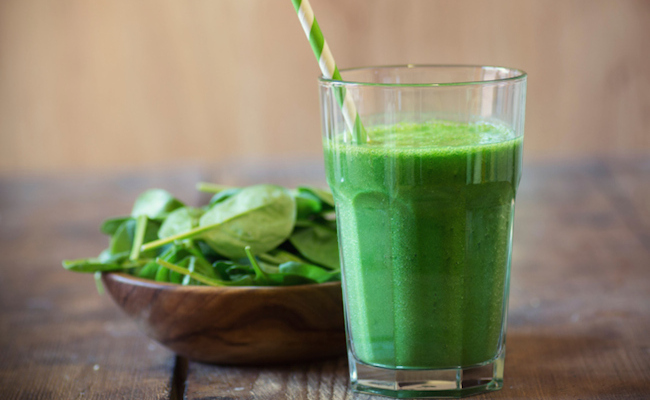
 The magical elixir to a healthy life  taste great too according to this written by BRIAN SYUKI.  Hormonal imbalances and inflammation are common conditions in the U.S. They are often the culprit behind symptoms such as joint pain, fatigue, high blood pressure, headaches and bloating. Unfortunately they can also increase the risk of more serious diseases, such as cancer and diabetes.The good news? Eating certain foods will help balance your hormones and reduce inflammation. To help lower your risk for disease,  in addition to weight loss goes beyond “calories in, calories out.” Balancing hormones and reducing inflammation will help you reach your weight goal faster, so eat these superfoods  frequently. READ MORE


03B6FEB8000003E8 3911410 image a 22 14784758296641 e1478542151957

Alcohol Fools The Brain Into Thinking It Is Releasing Chemicals That Calm Us Down

After a busy day at work, many of us want to unwind with a glass of wine.Now scientists have found that reaching for the bottle is part of the body’s natural response to stress.Increased stress levels alter the brain’s chemical make-up by changing what it thinks it needs to survive.Signals in the brain released by stress – designed to protect and calm our bodies – are similar to those given out after using addictive substances such as alcohol, caffeine and drugs.The brain is therefore tricked into thinking the alcohol is helping us, encouraging the drinker to come back for more.

This change in the brain’s reward centre could lead to excessive levels of drinking, scientists say.The research was conducted by a team from the University of Pennsylvania, who found rats exposed to stress voluntarily drank more alcohol compared to those not put under the same stresses.Professor Dr John Dani, chairman of Neuroscience in the Perelman School of Medicine, said: ‘The stressed rats drank significantly more than controls, and the increase was maintained for several weeks.

‘The stress response evolved to protect us, but addictive drugs use those mechanisms and trick our brains to keep us coming back for more.’Rats were exposed to an acute stress for one hour, and then 15 hours later, researchers measured the amount of sugar water laced with ethanol that the rodents drank.The team is now talking with other researchers to study a way to normalise the firing of neurons in the brain’s reward system to help control the over-consumption of alcohol.The study was published in the journal Neuron.

SOURCE…www.dailymail.co.uk

inactive man on sofa1

A Sedentary Path To The Graveyard

  A study, stretching over almost half a century, shows that physical inactivity is second only to smoking as a risk factor for mortality.
Physical inactivity was found to be second only to smoking as a mortality risk factor.Fitness levels have long been known to play an important role in staving off a number of serious illnesses.At the same time, evidence has been steadily mounting that demonstrates the negative health implications of a sedentary lifestyle, according to this  www.medicalnewstoday.com article written by Tim Newman     READMORE
yoga treatment

The Mindfulness Prescription

 As highlighted in an article by Samantha Olson,  research is showing promising insight on how mindfulness is beginning to help patients heal  .  Over the course of 12 weeks, participants who were diagnosed with conditions Including  generalized, social, and separation anxiety disorder  underwent functional magnetic resonance imaging (fMRI) scans while they practiced mindfulness-based cognitive therapy, a wide range of therapeutic techniques that included meditation, yoga, and learning how to pay nonjudgmental attention to one’s life . READ MORE 

stressed anxiety feature11

How To Check Your Self Before You Wreck Your Self

How To Know If You’re Stressed Out Or Suffering From Anxiety
SELF

We live in a society that applauds stress. You have too much to do? You don’t have a moment to breathe? Good, you’ve made it. Add in the violent current events that seem to be in our newsfeeds every single day, and it’s no wonder we’re all constantly worrying about one thing or another. Both stress and anxiety are normal feelings everyone experiences, Julie Pike, Ph.D., a licensed psychologist and expert in the treatment of anxiety disorders, tells SELF. Feeling either one so intensely that it  READ MORE
 

HEADpeaceofmind 75609541 e1469122397839

How Checkmate Stress

It helps to think of stress as a challenge rather than a threat. “Making that mental switch, just re-framing it reduces stress and improves performance. Also, faking it until you make it really does work. “If you adopt the external manifestation of confidence and positivity, you can trick your brain into creating the mental correlates of that fake external posture, according to this article written by Olivia Goldhill… READMORE  


woman meditating1

An Implausible Path Towards Mindfulness

Peace, love, and eff off. In a perfect world, meditation is all soft smiles, cooing voices, perfect posture, and no flinching. Heck, in a perfect world, you probably wouldn’t even need meditation. But this is the real world, people—and to deal with it, you may need something a bit more…aggressive.Seems ironic, even counterproductive, to use profanity as a source of purification, right? But check this: “A swearing type of meditation can be an absolutely wonderful release,” says global meditation expert and life coach Tom Cronin. “When you have emotional toxins in your system, you need to expend that negative energy to get them out. They won’t just go away on their own. Curse words are, by nature, vigorous, angry words. Saying or even shouting them can clear the anger.” READ MORE


StressHead

Your Brain on Stress

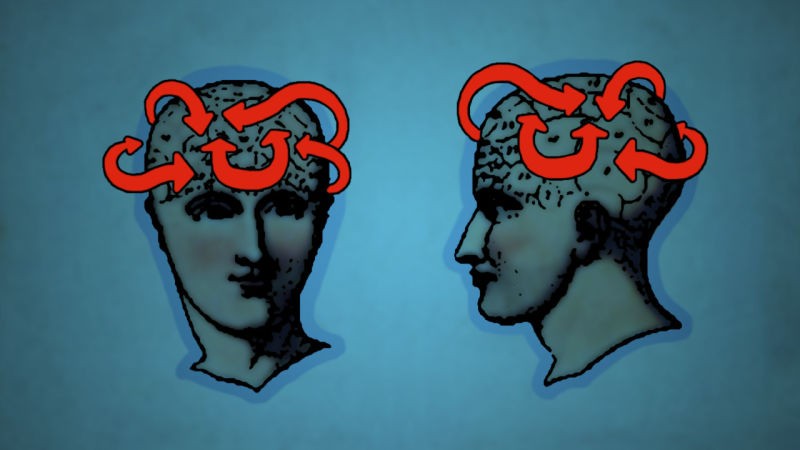
This is Your Brain in Meltdown. Scientific American SOURCE: “STRESS SIGNALLING PATHWAYS THAT IMPAIR PREFRONTAL CORTEX STRUCTURE AND FUNCTION,” BY AMY F. T. ARNSTEN, IN NATURE REVIEWS NEUROSCIENCE, VOL. 10; JUNE 2009

brainonstress

BrainRestructuring

Train Your Brain…Here's Why and How!

Try These Cognitive Restructuring Exercises to Improve Your Mood and Reduce Stress

Cognitive restructuring is a core part of Cognitive Behavioral Therapy (CBT). CBT is one of the most effective psychological treatments for common problems like depression, anxiety disorders, and binge eating. Here, clinical and social psychologist Alice Boyes shares some CBT techniques you can try at home to reduce problems with mood, anxiety, and stress.

Practice Noticing When You’re Having a Cognitive Distortion

Choose one type of cognitive distortion to focus on at a time. Example: you recognize that you’re prone to “negative predictions.” For a week, just notice any times you find yourself…READ MORE