Category Archives for "Good Latest Research"

Life20Sciences20Database Brain stem1

CELLS DRIPPED INTO THE BRAIN HELP MAN FIGHT A DEADLY CANCER


A man with deadly brain cancer that had spread to his spine saw his tumors shrink and, for a time, completely vanish after a novel treatment to help his immune system attack his disease – another first in this promising field.The type of immunotherapy that 50-year-old Richard Grady received already has helped some people with blood cancers such as leukemia. But the way he was given it is new, and may allow its use not just for brain tumors but also other cancers that can spread, such as breast and lung.

Grady was the first person to get the treatment dripped through a tube into a space in the brain where spinal fluid is made, sending it down the path the cancer traveled to his spine.He had “a remarkable response” that opens the door to wider testing, said Dr. Behnam Badie, neurosurgery chief at City of Hope, a cancer center in Duarte, California, where Grady was treated.The case is reported in this week’s New England Journal of Medicine.Each year in the United States, about 20,000 people are diagnosed with a type of brain tumor called glioblastoma. Grady, who lives in Seattle, had the usual surgery, radiation and chemotherapy, but the cancer came back.He enrolled in a clinical trial at City of Hope and had some of his own blood cells, called T cells, removed and genetically modified in the lab to turn them into specialized soldiers to seek and destroy cancer.

The treatment, called CAR-T cell therapy, has been used for blood cancers, but its value for solid tumors is unknown. City of Hope has been testing injecting the cells directly into the brain.First, Grady had more surgery to remove three of his largest tumors. Then he got six weekly infusions of the cells through a tube into his brain, where the biggest one had been. No cancer recurred there, but the remaining tumors continued to grow, new ones appeared, and cancer spread to his spine.

Doctors decided on a bold step: placing a second tube in his brain, into a cavity where spinal fluid is made, and putting the cells there.”The idea was to have the flow of the spinal fluid carry the T cells to different locations,” along the route the cancer had taken, Badie said.After three treatments, all tumors had shrunk dramatically. After the 10th treatment, “we saw all the tumors disappear,” and Grady was able to cut back on other medicines and return to work, Badie said.

New tumors, though, have now emerged in different spots in his brain and spine, and he is getting radiation treatment. But his response to immunotherapy lasted more than seven months, and “for him to live more than a year and half” after starting it is amazing for a situation where survival often is measured in weeks, Badie said.Side effects of the treatment were manageable, including headaches, fatigue and muscle aches, and some may have been due to other medicines Grady needed, doctors reported.

It’s early research, but it’s an advance for the field “that they showed this is safe, at least in this patient,” said Dr. Donald O’Rourke, a neurosurgeon heading a similar study at the University of Pennsylvania.O’Rourke treated 10 brain tumor patients with CAR-T cells but used a single IV dose. A paper detailing results is in the works, but “it’s pretty striking what we’ve found,” he said.At City of Hope, nine patients have been treated so far, but only three with infusions into the spinal fluid brain cavity. Two of the nine have not responded to treatment, Badie said.

His study is supported by the nonprofit Gateway for Cancer Research, the Food and Drug Administration, the California Institute for Regenerative Medicine and the National Institutes of Health. Some authors get royalties from pending patents or money from Mustang Bio, Inc., which has licensed some of the technology.


SOURCE…www.hosted.ap.org

Breathalyser can detect 17 diseases

As far back as 400 BC, Hippocrates advised his students to smell their patients’ breath to detect if they were ill.Now, researchers in America have invented a system which does just that, only rather more scientifically.  A new analyzer uses nano-rays to determine the precise chemical composition of a person’s breath.From that it is able to detect the “signature” of any of 17 serious diseases, from kidney cancer to Parkinson’s disease.Exhaled breath contains nitrogen, carbon dioxide and oxygen, as well as small amounts of more than 100 other chemicals, but the relative amount of each substance varies depending on a person’s state of health.Writing in the journal ACS Nano, scientists describe how they analysed the results with artificial intelligence techniques to classify and diagnose the conditions.They found that each disease produces a unique volatile chemical breath print, based on differing amounts of 13 components.They also showed that the presence of one disease would not prevent the detection of others.The technology allows for an inexpensive and portable breathalyzer-style device, which costs as little as £24 and is able to screen for various diseases in a non-invasive way.Lead author Professor Hossam Haick, said: “We found that just as we each have a unique fingerprint, each of the diseases we studied has an unique breath print, a ‘signature’ of chemical components.”We have a device which can discriminate between them, which is elegant and affordable.”In recent years, scientists have developed experimental breath analyzers, but most of these instruments focus on a single type of disease, such as cancer.

SOURCE..www.telegraph.co.uk

 
LEAF e1482426851495

Dutch scientists Develop Artificial Leaf To Manufacture Medicine

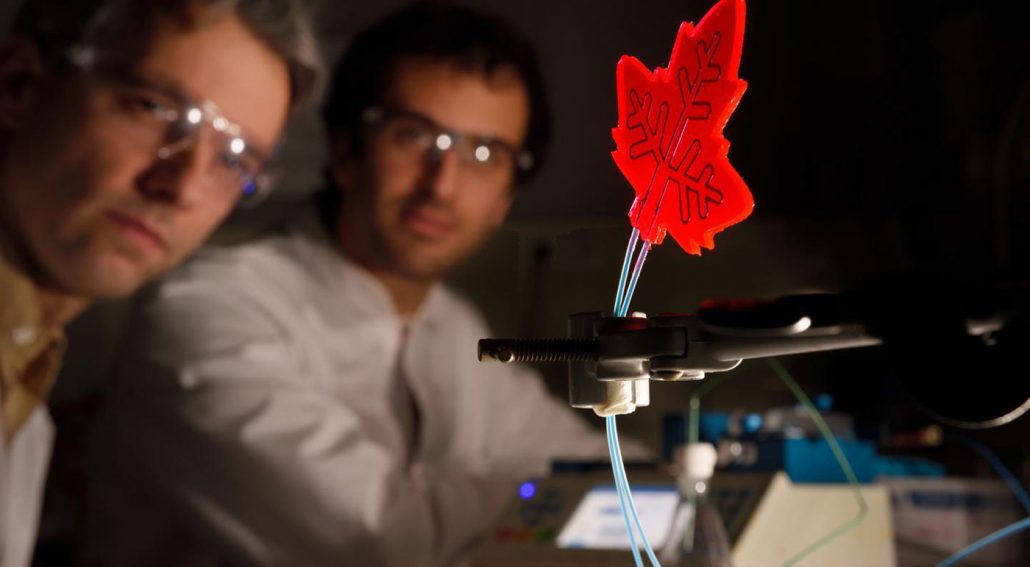
Dutch scientists have developed an artificial leaf that can act as a mini-factory for producing drugs, an advance that could allow medicines to be produced anywhere there is sunlight.The work taps into the ability of plants to use sunlight to feed themselves through photosynthesis, something industrial chemists have struggled to replicate because sunshine usually generates too little energy to fuel chemical reactions.

The leaf-inspired micro factory mimics nature’s efficiency at harvesting solar radiation by using new materials called luminescent solar concentrators with very thin channels through which liquid is pumped, exposing molecules to sunlight.

 “Theoretically, you could use this device to make drug compounds with solar energy anywhere you want,” said lead researcher Timothy Noel at Eindhoven University of Technology.By doing away with the need for a power grid, it may be possible one day to make malaria drugs in the jungle or even medicines on Mars in some future space colony, he believes.The device, made from silicone rubber, can operate even when there is diffuse light, which means it will work under cloudy skies. However, there is still a way to go to scale up the process to make it commercially viable.

Noel and his colleagues, who published their research in the science journal Angewandte Chemie on Wednesday, are now trying to improve energy efficiency further and increase output.Because the artificial leaf relies on micro-channels to bring chemicals into direct contact with sunlight, each unit needs to be small — but they could be easily linked together to increase production.

“You can make a whole tree with many, many different leaves placed in parallel,” Noel told Reuters. “These are very cheap things to make, so there is a lot of potential.”He thinks the process could start to become broadly available to chemical engineers within five to 10 years.It is not the first time that scientists have drawn inspiration from plants when considering novel ways to manufacture pharmaceuticals.

In 2012, the U.S. Food and Drug Administration approved a drug called Elelyso from Pfizer and Protalix Biotherapeutics for Gaucher disease, a rare genetic condition, made with genetically modified carrot cells.Other researchers are also cultivating crops that have been specially bred to produce useful medicines and vaccines in their leaves.

SOURCE…www.stltoday.com

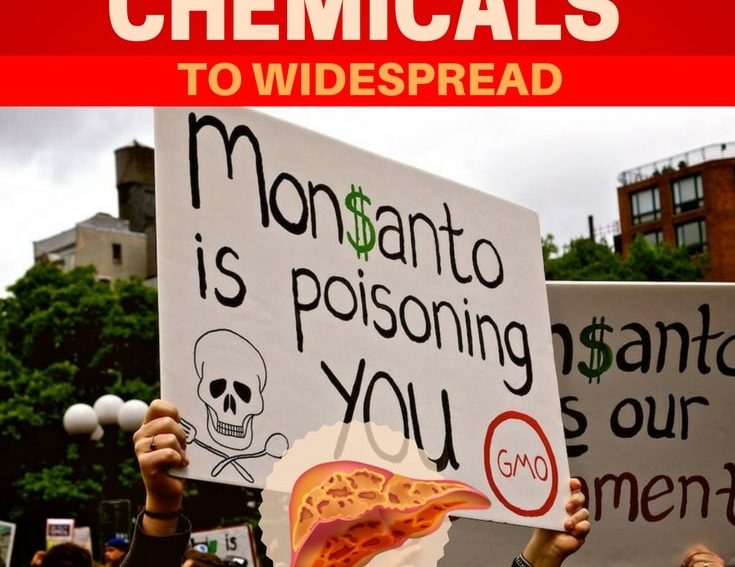
New Federal Study Links Monsanto Chemicals To Widespread Liver Disease1 e1481825105392

Down With Corporate Corruption In Our Food Supply


Mention Monsanto these days and you are sure to get a reaction from almost anyone. The American multinational agrochemical and agricultural biotechnology corporation is making headlines worldwide—and usually not the good kind.This time, the behemoth biotech, widely known for its controversial genetically modified crop seeds (GMOs) and highly poisonous pesticides, is accused of contaminating an entire small town in Alabama.Anniston, Alabama, home to 22,666 people, is considered a crime scene by health officials, who contend Monsanto is solely responsible for what is being called the worst PCB contamination the world has ever seen.

Over A Century Of Destruction

Monsanto was founded in 1901 by John F. Queeny and his wife, Olga Monsanto Queeny, who launched the company with their first product, the artificial sweetener saccharine, now known as a one of the Top 4 most dangerous artificial sweeteners ever made (1).

From there, Monsanto has left a trail of destruction that includes poisoning countless towns, lands, waterways and entire ecosystems. The company also supplied the materials for some of the deadliest chemical weapons ever made, including white phosphorous (2) and Agent Orange (3), which have killed thousands of people worldwide.

The unbelievable and devastating repercussions of what many call Monsanto’s unscrupulous practices in the manufacturing and sale of their products includes everything from purposely withholding negative safety studies from the FDA and the public, to knowingly manufacturing and selling poisonous herbicides and pesticides that have resulted in serious health issues for both humans and wildlife, and even death.

In 1986, Monsanto was found guilty of “negligently exposing a worker to benzene at its Chocolate Bayou Plant in Texas.” It paid $100 million to the family of Wilbur Jack Skeen, who died of leukemia after repeated exposures (4).The list of Monsanto’s crimes is endless and ongoing, including the contamination of the entire town of Anniston, Alabama that actually began in the 1940s.

Anniston Alabama: Monsanto’s Toxic Town

At first glance, Anniston Alabama is an idyllic small town with pristine waters and genuine southern hospitality. But what lies beneath the ground and the raging waters of its white-water river, is something out of a sci-fi horror flick.

In 1993, a local fisherman who caught a severely deformed largemouth bass from the Choccolocco Creek set off a firestorm of media that eventually led to an inconvenient truth for the billion dollar biotech corporation. As it turns out, Monsanto had been knowingly poisoning the people and wildlife of Anniston, Alabama for more than 30 years.

By dumping millions of pounds of polychlorinated biphenyls (PCBs) into the town’s landfill and creek, Monsanto exposed the community to the deadly chemicals that have since been banned because of their known link to cancer in both animals and humans, including non-Hodgkin lymphoma, a deadly form of the disease(5,6).

The toxic contamination in the small town was so incredible that Monsanto actually bought and then demolished 100 homes that were overwhelmingly polluted by PCBs. After 16-year-old Anniston resident Terry Baker died from a brain tumor and lung cancer caused by exposure to the PCBs, it spurred 20,000 residents to file a class-action lawsuit against Monsanto.

The company was ultimately ordered to pay residents damages of $700 million. But now, more than 13 years later, residents of the small town are finding out that Monsanto’s toxic dumping is still wreaking havoc on their lives (7).

Devastating Liver Damage

The devastatingly toxic PCBs dumped in Anniston, Alabama, continue to affect the health of its residents, according to a new two-year study published by the Agency for Toxic Substances and Disease Registry.

After finding out about the PCB poisoning, Anniston researchers reviewed the health of 766 of its residents between 2005 and 2007. In 2013, they followed up with 738 of the residents, and later in 2014, with 352 of the same residents. Researchers were astounded to find that the Anniston residents have a 60 percent rate of fatty liver disease compared to the average 24.3 percent rate found in the rest of the general US population.They further found that while PCB levels dropped slightly from 2007 to 2014, they are still much higher than the general population. More troubling, however, is that despite this slight drop in levels, researchers also found a connection between higher PCB levels and diabetes. They also linked PCBs to high blood pressure and concluded that liver failure or cancer may result from the type of chronic liver inflammation residents of Anniston continue to experience (8).

Deny, Deny, Deny

Even after illegally dumping millions of pounds of PCBs into the once pristine Choccolocco Creek and numerous open-pit landfills that literally oozed with the toxic sludge, Monsanto continued to outright deny the damning evidence of the deadly health repercussions caused by their actions. Investigators found thousands of Monsanto documents, some clearly marked “CONFIDENTIAL: Read and Destroy,” showing intent on the part of the corporate giant, that concealed the dumping for decades.While of little consequence to the some 20,000 affected residents in Anniston, Monsanto’s lawyers did admit in 2001 that PCB exposure can sometimes cause chloracne, a serious skin condition, which they clearly added was the only significant problem the chemicals are even capable of causing, something that is clearly contrary to every study done on PCBs.

Devastated Town

In the interim, Anniston is now a virtual ghost town. With a good chunk of the homes and businesses in the small town destroyed after Monsanto purchased them to mitigate their damages, the remaining residents, most of which are low-income families, are left to deal with the contaminated land and a slew of growing health problems.One such resident is Brenda Crook, who lived just a block away from the former Monsanto plant responsible for the decades of illegal dumping.Crook lived in Anniston most of her life, and until the dumping, was a healthy individual by any standards.“I never drank and I never smoked,” she said in a story published in TheAnniston Star in December 2016. “But I got cancer.” (9)Doctors confirmed high levels of PCBs in her blood. As a result of her cancer, Crook had to undergo expensive treatments, including radiation and three surgeries to date.“Now I also have gout, high blood pressure and diabetes,” she adds, which doctors also attribute to the PCBs. And because Crook, like most of the Anniston residents, is in a low-income area and is too sick to work, she also struggles to pay the mounting monthly costs of her health insurance’s co-pay, despite the settlement by Monsanto.

Poor, Sick, And Helpless

And with little money to move, most of the remaining residents in Anniston will continue to live in the small town that is so saturated with toxic chemicals that they have literally soaked into the ground they walk on, and then ooze into the very air they breathe every day. The problem is still so bad today that residents have to wear masks just to cut their grass.While 60 Minutes reports that residents will receive $600 million of the $700-million settlement, and the remaining $100 million will help pay for the clean-up, according to officials at the State University of New York in Albany, Anniston, Alabama is still the most contaminated site in the entire US (10). And they have Monsanto to thank for it.The only bright light in this otherwise dark story is that Monsanto agreed to fund a medical clinic and PCB research center to help the ailing residents of Anniston deal with their chronic health problems—ironically, the same ones the company insists don’t exist.

SOURCE…www.dailyhealthpost.com

Study Shows Aging Process Increases DNA Mutations

Study shows aging process increases DNA mutations in important type of stem cellAs it is in much of life, the aging process isn’t kind molecular and cellular neuroscience to an important type of stem cell that has great therapeutic promiseResearchers at the Scripps Translational Science Institute (STSI) and The Scripps Research Institute (TSRI) who looked at the effect of aging on induced (iPSCs) found that genetic increased with the age of the donor who provided the source cells, according to study results published today by the journal Nature Biotechnology.The findings reinforce the importance of screening iPSCs for potentially harmful DNA mutations before using them for therapeutic purposes, said lead investigators Ali Torkamani, Ph.D., director of genome informatics at STSI, and Kristin Baldwin Ph.D., the study’s co-lead investigators and associate professor of molecular and cellular neuroscience at the Dorris Neuroscience Center at TSRI.

“Any time a cell divides, there is a risk of a mutation occurring. Over time, those risks multiply,” Torkamani said. “Our study highlights that increased risk of mutations in iPSCs made from older donors of source cells.”Researchers found that iPSCs made from donors in their late 80s had twice as many mutations among protein-encoding genes as stem cells made from donors in their early 20s.

That trend followed a predictable linear track paired with age with one exception. Unexpectedly, iPSCs made from blood cells donated by people over 90 years old actually contained fewer mutations than what researchers had expected. In fact, stem cells from those extremely elderly participants had mutation numbers more comparable to iPSCs made from donors one-half to two-thirds younger.Researchers said the reason for this could be tied to the fact that remaining in have been protected from mutations over their lifetime by dividing less frequently.

“Using iPSCs for treatment has already been initiated in Japan in a woman with age-related macular degeneration,” said paper co-author and STSI Director Eric Topol, M.D. “Accordingly, it’s vital that we fully understand the effects of aging on these cells being cultivated to treat patients in the future.”STSI is a National Institutes of Health-sponsored site led by Scripps Health in collaboration with TSRI. This innovative research partnership is leading the effort to translate wireless and genetic medical technologies into high-quality, cost-effective treatments and diagnostics for patients.

Of the 336 different mutations that were identified in the iPSCs generated for the study, 24 were in genes that could impair cell function or trigger tumor growth if they malfunctioned.How troublesome these mutations could be depends on how well the stem cells are screened to filter out the defects and how they are used therapeutically, Torkamani said. For example, cells made from iPSCs for a bone marrow transplant would be potentially dangerous if they contained a TET2 gene mutation linked to blood cancer, which surfaced during the study.

“We didn’t find any overt evidence that these mutations automatically would be harmful or pathogenic,” he said.For the study, researchers tapped three sources for 16 participant blood samples: The Wellderly Study, an ongoing STSI research project that is searching for the genetic secrets behind lifelong health by looking at the genes of healthy elderly people ages 80 to 105; the STSI GeneHeart Study, which involves people with coronary artery disease; and TSRI’s research blood donor program.

The iPSCs were generated by study co-authors Valentina Lo Sardo, Ph.D., and Will Ferguson, M.S., researchers in the TSRI group led by Baldwin.”When we proposed this study, we weren’t sure whether it would even be possible to grow iPSCs from the blood of the participants in the Wellderly Study, since others have reported difficulty in making these from aged patients,” Baldwin said. “But through the hard work and careful experiments designed by Valentina and Will, our laboratories became the first to produce iPSCs from the blood of extremely elderly people.”

Source…http://news360.com/article/382262662

21404732251

Technion Invents Spinach-powered Electricity Cell


‘My dream is to get up in morning, cut the grass, put it into the machine, come back in evening and have enough power to run the home,”

Oil is clearly the devil and hydrogen is evidently the fuel of the future. Now Israeli researchers have developed a “really green” power cell that produces electricity and hydrogen, using nothing but spinach, water and sunlight.We used spinach, but you can use any leaf,” says Prof. Noam Adir of the interdisciplinary Technion team that designed the breakthrough bio-photo-electro-chemical cell.

Why then use a popular salad ingredient rather than hydrangea or pine needles or some other non-crop plant? Convenience, Adir explains. Historically, botanists researched photosynthesis using spinach because while all plants generate sugar from water and sunlight, spinach does so especially well. You can drop by the supermarket and pick some up. Also, spinach keeps well after purchase, meaning that its active components remain active.

The spinach cell may not save Las Vegas’ lights from going out but it could be perfect for remote villages here on earth with modest power needs – or colonies in Mars, Prof. Noam Adir tells Haaretz. This clean, green power machine  emits no contaminants, only spinach membrane slurry, which the brave could eat, the squeamish could use to fertilize gardens in Martian craters or wherever they please, and the indifferent could pour down the sink .

Since spinach is not patentable, for now the cell remains academic. “We are at the stage of investigating its feasibility, whether it would be of applicative interest to anybody,” says the professor. “Patents are only good if you can protect them,” he adds, noting that anybody can drop by the grocer and buy spinach, and the other cell components are nothing special. Essentially the scientists pursued the work, funded chiefly by the Israeli government but also using grants from the American and German federal authorities, because it matters. Rather than operating in stealth mode, as one does with patentable ideas, they published. “We did it because we thought it important,” Adir sums up: “We’re not hiding it. We’re telling the world.”
So they are: the latest findings are reported in “Hybrid bio-photo-electro-chemical cells for solar water splitting,” published this month in the prestigious journal Nature. The study was conducted by doctoral students Roy I. Pinhassi, Dan Kallmann and Gadiel Saper, under the guidance of Adir of the Schulich Faculty of Chemistry, Prof. Gadi Schuster of the Faculty of Biology and Prof. Avner Rothschild of the Faculty of Material Science and Engineering.

“We proved that energy can be made really green using material at negligible cost, with no contaminating synthetics, no expensive or rare or toxic elements,” Adir says.
In order to harness photosynthesis by the spinach membranes to make electricity, the researchers added a non-toxic iron-based compound to the solution in the cell. This iron juice transfers electrons from the membranes to the electrical circuit, known in English as creating a current. The electrical current can be utilized to form hydrogen gas by adding electric power from a small photovoltaic cell that absorbs the excess light. This enables solar energy to be converted into chemical energy that is stored as hydrogen gas formed inside the BPEC cell. This energy can be converted when necessary into heat and electricity by burning the hydrogen, in the same way hydrocarbon fuels are used.

Unlike oil-based fuels, which emit greenhouse gases when burned, the product of hydrogen combustion is clean water. The Technion cell is a closed cycle: it begins with water and ends with water and can be used to produce and store hydrogen gas.Powering the house with the lawn Centralized mass energy production is more efficient, but it creates two key problems. Vast distribution involves vast energy waste in distribution and two, not everybody lives near the grid.This is where the cell could come in: remote places that don’t need a lot of power. “Not like our society which is very energy-intensive. Sometimes all one needs is enough for light and to charge the cellphone. My dream is to get up in morning, cut the grass, put it into the machine, come back in evening and have enough power to run the home,” says Adir.


One issue that may need resolving is shelf life. The membranes in the spinach slush die in 20 minutes, Adir says. “We remove the old membranes, put in new and the machine keeps working. We’re talking about nearly nothing.”Another team working on nearly nothing that could save the planet is at Tel Aviv University, where Assistant Prof. Iftach Yacoby is leading research on engineering microscopic algae to cleanly produce hydrogen.But back to our spinach cell. How much of this nearly nothing will it take to power a house? “A hundred micrograms of spinach membrane shake gives me half a milliamp per centimeter squared of electricity,” he says, and elaborates: “The Israel Electric Corporation might not be impressed but on Mars, where you have to grow food and need oxygen and need hydrogen, this does it all and you can eat the membrane mush too. Or use it to fertilize the Martian soil.”

SOURCE…www.haaretz.com/israel-news/science/1.743679?v=08FB9A1487F457E2D91BA33C787710A9


v2 0 bionic leaf 6051

Bionic leaf turns sunlight into liquid fuel | Harvard Gazette


The days of drilling into the ground in the search for fuel may be numbered, because if Daniel Nocera has his way, it’ll just be a matter of looking for sunny skies.Nocera, the Patterson Rockwood Professor of Energy at Harvard University, and Pamela Silver, the Elliott T. and Onie H. Adams Professor of Biochemistry and Systems Biology at Harvard Medical School, have co-created a system that uses solar energy to split water molecules and hydrogen-eating bacteria to produce liquid fuels.

The paper, whose lead authors include postdoctoral fellow Chong Liu and graduate student Brendan Colón, is described in a June 3 paper published in Science.“This is a true artificial photosynthesis system,” Nocera said. “Before, people were using artificial photosynthesis for water-splitting, but this is a true A-to-Z system, and we’ve gone well over the efficiency of photosynthesis in nature.”

While the study shows the system can be used to generate usable fuels, its potential doesn’t end there, said Silver, who is also a founding core member of the Wyss Institute at Harvard University.The beauty of biology is it’s the world’s greatest chemist — biology can do chemistry we can’t do easily,” she said. “In principle, we have a platform that can make any downstream carbon-based molecule. So this has the potential to be incredibly versatile.”

Dubbed “bionic leaf 2.0,” the new system builds on previous work by Nocera, Silver, and others, which — though it was capable of using solar energy to make isopropanol — faced a number of challenges. Chief among those, Nocera said, was the fact that the catalyst used to produce hydrogen — a nickel-molybdenum-zinc alloy — also created reactive oxygen species, molecules that attacked and destroyed the bacteria’s DNA. To avoid that, researchers were forced to run the system at abnormally high voltages, resulting in reduced efficiency.

“For this paper, we designed a new cobalt-phosphorous alloy catalyst, which we showed does not make reactive oxygen species,” Nocera said. “That allowed us to lower the voltage, and that led to a dramatic increase in efficiency.”The system can now convert solar energy to biomass with 10 percent efficiency, Nocera said, far above the 1 percent seen in the fastest-growing plants.

In addition to increasing the efficiency, Nocera and colleagues were able to expand the portfolio of the system to include isobutanol and isopentanol. Researchers also used the system to create PHB, a bio-plastic precursor, a process first demonstrated by Professor Anthony Sinskey of MIT.

The new catalyst also came with another advantage — its chemical design allows it to “self-heal,” meaning it wouldn’t leach material into solution.“This is the genius of Dan,” Silver said. “These catalysts are totally biologically compatible.”Though there may yet be room for additional increases in efficiency, Nocera said the system is already effective enough to consider possible commercial applications, but within a different model for technology translation.

“It’s an important discovery — it says we can do better than photosynthesis,” Nocera said. “But I also want to bring this technology to the developing world as well.”Working in conjunction with the First 100 Watts program at Harvard, which helped fund the research, Nocera hopes to continue developing the technology and its applications in nations like India with the help of their scientists.In many ways, Nocera said, the new system marks the fulfillment of the promise of his “artificial leaf,” which used solar power to split water and make hydrogen fuel.

“If you think about it, photosynthesis is amazing,” he said. “It takes sunlight, water, and air — and then look at a tree. That’s exactly what we did, but we do it significantly better, because we turn all that energy into a fuel.”

SOURCE…news.harvard.edu/

v2 0 bionic leaf 6051

Bionic leaf turns sunlight into liquid fuel | Harvard Gazette


The days of drilling into the ground in the search for fuel may be numbered, because if Daniel Nocera has his way, it’ll just be a matter of looking for sunny skies.Nocera, the Patterson Rockwood Professor of Energy at Harvard University, and Pamela Silver, the Elliott T. and Onie H. Adams Professor of Biochemistry and Systems Biology at Harvard Medical School, have co-created a system that uses solar energy to split water molecules and hydrogen-eating bacteria to produce liquid fuels.

The paper, whose lead authors include postdoctoral fellow Chong Liu and graduate student Brendan Colón, is described in a June 3 paper published in Science.“This is a true artificial photosynthesis system,” Nocera said. “Before, people were using artificial photosynthesis for water-splitting, but this is a true A-to-Z system, and we’ve gone well over the efficiency of photosynthesis in nature.”

While the study shows the system can be used to generate usable fuels, its potential doesn’t end there, said Silver, who is also a founding core member of the Wyss Institute at Harvard University.The beauty of biology is it’s the world’s greatest chemist — biology can do chemistry we can’t do easily,” she said. “In principle, we have a platform that can make any downstream carbon-based molecule. So this has the potential to be incredibly versatile.”

Dubbed “bionic leaf 2.0,” the new system builds on previous work by Nocera, Silver, and others, which — though it was capable of using solar energy to make isopropanol — faced a number of challenges. Chief among those, Nocera said, was the fact that the catalyst used to produce hydrogen — a nickel-molybdenum-zinc alloy — also created reactive oxygen species, molecules that attacked and destroyed the bacteria’s DNA. To avoid that, researchers were forced to run the system at abnormally high voltages, resulting in reduced efficiency.

“For this paper, we designed a new cobalt-phosphorous alloy catalyst, which we showed does not make reactive oxygen species,” Nocera said. “That allowed us to lower the voltage, and that led to a dramatic increase in efficiency.”The system can now convert solar energy to biomass with 10 percent efficiency, Nocera said, far above the 1 percent seen in the fastest-growing plants.

In addition to increasing the efficiency, Nocera and colleagues were able to expand the portfolio of the system to include isobutanol and isopentanol. Researchers also used the system to create PHB, a bio-plastic precursor, a process first demonstrated by Professor Anthony Sinskey of MIT.

The new catalyst also came with another advantage — its chemical design allows it to “self-heal,” meaning it wouldn’t leach material into solution.“This is the genius of Dan,” Silver said. “These catalysts are totally biologically compatible.”Though there may yet be room for additional increases in efficiency, Nocera said the system is already effective enough to consider possible commercial applications, but within a different model for technology translation.

“It’s an important discovery — it says we can do better than photosynthesis,” Nocera said. “But I also want to bring this technology to the developing world as well.”Working in conjunction with the First 100 Watts program at Harvard, which helped fund the research, Nocera hopes to continue developing the technology and its applications in nations like India with the help of their scientists.In many ways, Nocera said, the new system marks the fulfillment of the promise of his “artificial leaf,” which used solar power to split water and make hydrogen fuel.

“If you think about it, photosynthesis is amazing,” he said. “It takes sunlight, water, and air — and then look at a tree. That’s exactly what we did, but we do it significantly better, because we turn all that energy into a fuel.”

SOURCE…news.harvard.edu/

LMDHome 1

You Can Make Your Skin Look Younger With No Nipping, Stitching Or Downtime

SHOULD YOU LASER THE YEARS AWAY?

The second part of our series has everything you need to know about cutting-edge, anti-ageing therapies for your skin. Gone are the days when the surgeon’s knife was the only option. So whether you’re looking to reduce wrinkles, zap sun damage or simply tone skin, now you can look younger with no nipping, stitching or downtime. Here, our writers test the latest treatments on offer… 

LASERS

Perhaps the biggest advancement in skin treatment lies in the field of laser technology. Once harsh and invasive, modern lasers are now able to treat skin complaints ranging from wrinkles and fine lines through to thread veins and hyperpigmentation, or reduced skin colour, with minimal pain inflicted or recovery period required.


SOURCE …www.dailymail.co.uk

LigtMDHome

Light-Based Therapy May Treat Thrombocytopenia

A low-intensity type of laser treatment may offer a non-invasive, drug-free treatment for thrombocytopenia — a potentially life-threatening shortage of the blood cells called platelets that are essential to blood clotting. In their paper appearing in Science Translational Medicine, a research team from the Wellman Center for Photomedicine at Massachusetts General Hospital (MGH) reports that low-level laser therapy increased the generation of platelets from precursor cells called megakaryocytes (MKs) and had the same effect in several mouse models of the condition. They also identified the probable mechanism underlying this effect.

“Our study reveals for the first time that low-level laser therapy enhances platelet production in animals with thrombocytopenia, but not in normal controls,” says Mei X. Wu, PhD, of the Wellman Center at MGH, the senior author of the study. “This result suggests that a safe, drug-free method that does not depend on donated blood products can be developed for treating or preventing thrombocytopenia.”

Among the conditions that can lead to thrombocytopenia are certain types of leukemia, an autoimmune disorder that attacks platelets, and side-effects of certain drugs, including some used for chemotherapy. The most established treatment is platelet transfusion, which since it risks complications including infection, allergic reaction and immunosuppression is limited to the most severe cases. Dosage levels of the FDA-approved drugs that increase platelet levels must be precisely controlled to avoid excessive platelet production that raises the risk of dangerous blood clots.


SOURCE…www.sciencedaily.com