Category Archives for "Uncategorized"

Black Pig Swine Farm Chickens1

Even Pigs Won't Eat GM Corn

Genetically modified corn has become an omniscient presence in the food industry, including in shelf-stable storable foods. Many people have aversions to GM corn and other GM ingredients for a variety of personal reasons, but this new bit of information may shock even those of us who abstain from consuming GM foods.Even pigs won’t eat GM corn.
That’s right, pigs – known to eat just about anything – sometimes refuse to eat GM corn. Obviously, they can sense something about it that we can’t. Researchers have even tested this phenomenon on different animals, like squirrels, and found similar result across the animal kingdom.Current estimates suggest that genetically modified corn has taken over 92 percent of all corn-growing ventures in the U.S. It’s difficult to stay away from GM corn, especially when you’re talking about prepackaged foodstuffs. And sadly, the survival food industry is no different.

After the Health Ranger’s independent lab, CWC Labs, gained its ISO 17025 certification – the highest level of international accreditation – he began to analyze a number of popular survival foods to see what was really in them. What Mike Adams discovered was downright appalling. Adams states, “I was shocked to discover that the brands being most heavily promoted on the internet — like WISE Foods and Mountain House — contained ingredients laced with pesticides, GMOs, hidden MSG, refined sugars and all sorts of other questionable ingredients.”
The Health Ranger says that nearly every brand of survival food is loaded with these toxic, undesirable ingredients.

Many of these ingredients are derived from GM corn, such as high fructose corn syrup, corn starch, corn syrup solids, modified corn starch, hydrolyzed corn and even corn protein. Just imagine what those ingredients look like before they’re processed into food-shaped items. Do you think any of it actually looks like food? Probably not.
That’s why the Health Ranger has joined forces with Numanna to create better, cleaner survival foods that are made with real ingredients. Adams says, “When I realized that the storable foods industry did not offer anything that I would dare eat, I decided to create my own line of delicious, nutritious meals using 95% organic ingredients and absolutely NO JUNK.”

Other products may contain things like GM high fructose corn syrup, corn starch, corn syrup solids, modified corn starch, hydrolyzed corn and even corn proteicorn or soy, artificial colorants, artificial flavorings, chemical preservatives and carrageenan. Some other unsavory things you might find in your favorite storable foods include yeast extracts, autolyzed yeast or hydrolyzed yeast – all terms the food industry uses to hide MSG. Hydrogenated and partially-hydrogenated oils are also commonly found in storable items, even in trusted products like those made by WISE Foods, Honeyville or Legacy Premium Food Storage.

Traces of pesticides and herbicides, like glyphosate, can also frequently be found in many popular survival foodstuffs. But not the Numanna Organic Family Pack, which was co-formulated and lab-tested by the Health Ranger himself. This family pack is guaranteed to be free of all the worst ingredients, like GMOs, pesticides, herbicides and synthetic chemicals. The Numanna Organic Family Pack is one of the most honest and wholesome lines of storable food available on the market – and it’s lab-validated for authenticity. Even your livestock and family pets will probably want some.

SOURCE…http://www.naturalnews.com

03B6FEB8000003E8 3911410 image a 22 14784758296641 e1478542151957

Alcohol Fools The Brain Into Thinking It Is Releasing Chemicals That Calm Us Down

After a busy day at work, many of us want to unwind with a glass of wine.Now scientists have found that reaching for the bottle is part of the body’s natural response to stress.Increased stress levels alter the brain’s chemical make-up by changing what it thinks it needs to survive.Signals in the brain released by stress – designed to protect and calm our bodies – are similar to those given out after using addictive substances such as alcohol, caffeine and drugs.The brain is therefore tricked into thinking the alcohol is helping us, encouraging the drinker to come back for more.

This change in the brain’s reward centre could lead to excessive levels of drinking, scientists say.The research was conducted by a team from the University of Pennsylvania, who found rats exposed to stress voluntarily drank more alcohol compared to those not put under the same stresses.Professor Dr John Dani, chairman of Neuroscience in the Perelman School of Medicine, said: ‘The stressed rats drank significantly more than controls, and the increase was maintained for several weeks.

‘The stress response evolved to protect us, but addictive drugs use those mechanisms and trick our brains to keep us coming back for more.’Rats were exposed to an acute stress for one hour, and then 15 hours later, researchers measured the amount of sugar water laced with ethanol that the rodents drank.The team is now talking with other researchers to study a way to normalise the firing of neurons in the brain’s reward system to help control the over-consumption of alcohol.The study was published in the journal Neuron.

SOURCE…www.dailymail.co.uk

Honesty, RIP: Facts take a beating across US

GOOD Mind.
Honesty, RIP: Facts take a beating across US
http://m.sfgate.com/news/politics/article/Honesty-RIP-Facts-take-a-beating-across-US-10595788.php

Shared via News360

NEW YORK (AP) — Is this when it ends for that ancient ideal, the truth? Is this where it has come to die, victim of campaigns and conspiracies, politicians and internet trolls and the masses who swallow their rhetoric?

Rest in peace, honesty?

“The value of facts in a democracy has taken a beating,” said David Barrett, a political science professor at Villanova University.

It isn’t just a presidential race in which Donald Trump has climbed new fact-bending heights while branding opponent Hillary Clinton “crooked” or “lying.” Increasingly today, realities seem open to interpretation, and blatant mistruths proliferate.

“There’s a profound doubt in this country about the importance of expertise, knowledge, things like that,” said Ohio University professor Kevin Mattson. “Trump has just drawn that out to its logical extreme conclusion.”

Mattson studies the history of ideas and wrote about the notion of a “post-fact” world. “It’s people’s belief that their willing and their subjective desire for something is more important than facts that stand outside of that,” he said.

Mattson said theories originating with left-leaning academics in France and elsewhere questioning whether anything can truly be known as fact began taking hold among American thinkers in the 1970s and 1980s. There is a connection between that, he said, and the rhetoric that has been spread by some in politics.

“The belief is that there is no objective truth — if we want something to be real, then it is real,” he said.

Through that lens, it’s easier to understand vehement insistence that climate change is not real (it is, according to scientific consensus) or that election fraud is rampant (it isn’t, repeated studies have found). The disconnect from facts is exacerbated by a confusing web of information sources, both ideology-driven news outlets and lesser-known sites that peddle lies through incredible headlines, which spread on social media.

And in a world where many get their news from Facebook or Twitter, the credible reports of upstanding news sources may get less attention or weight.

“The consensus seems to have become, if the truth isn’t entertaining or fun or clickable, who needs it?” said Eva Van Brunt, a public relations consultant. “With a news cycle that moves on before the average person has even finished an article, it doesn’t matter that something isn’t true, just that it served up hungry eyes for the nanosecond that it mattered.”

Andrew Cullison, a professor at DePauw University in Indiana who studies the relationship of skepticism to politics, said the internet has allowed lies to gain traction and for people to insulate themselves from those who disagree. Controlled studies have found that, even when provided evidence that something is false, many simply increase their level of confidence in a belief’s validity. The shape of public skepticism has shifted, Cullison said, causing many to look with suspicion at opposing views rather than to question their own.


14778600905086001

Scientists Are Using the Enzyme That MakesFireflies Glow to Track Brain Cells

Fireflies and other bioluminescence-producing species (e.g. bacteria, jellyfish, worms, sharks) create light through a chemical reaction in their body catalyzed by an enzyme called luciferase. Now, a team of scientists from Vanderbilt University are using a genetically modified form of that same enzyme to make brain cells glow-in-the-dark.

The objective behind getting neurons to emit light is to better observe activity in the brain’s complex neural networks. Existing methods use electrical techniques, which efficiently track individual neurons. But this approach has a restraint: it can only record a limited number of brain cells—the average human brain has about 86 billion neurons—at the same time. Genetically modified luciferase offers a solution to the limitation seen in electrical techniques, as it can simultaneously monitor hundreds of neurons.

The team of scientists, who published their findings in Nature Communications, developed their new technique by merging their knowledge on bioluminescence (based on their previous research of green alga Chlamydomonas, a single cell organism found in water and on damp soil) with a new biological technique called optogenetics—a method that uses light, mostly fluorescence, to control cells in living tissue.

“There is an inherent conflict between fluorescent techniques and optogenetics,” said Carl H. Johnson, a professor of biological sciences who led the research, in a statement. “The light required to produce the fluorescence interferes with the light required to control the cells. Luminescence, on the other hand, works in the dark!”

The scientists took luciferase from a luminescent species of shrimp and genetically modified it to light up when exposed to calcium molecules, which are present in high levels outside of neurons and very low levels inside. But when brain cells receive a signal, the calcium content within the cell temporarily spikes and this shift allows researcher to track neuron activation by monitoring calcium concentrations.

This is only possible if the modified enzyme, the calcium sensor, is inside the cell body of the neurons. The scientists were able to make this feasible by “hijacking” a virus that infects neurons and attaching it to the calcium sensor, allowing it to enter brain cells.

The luminescent enzyme was tested on neurons grown in culture and in brain slices from the hippocampus—the region of the brain responsible for memory and emotion—of mice. In both settings, the sensor was found to be visibly responsive to changing calcium levels.

“We’ve shown that the approach works,” said Johnson. “Now we have to determine how sensitive it is. We have some indications that it is sensitive enough to detect the firing of individual neurons, but we have to run more tests to determine if it actually has this capability.”

SOURCE..motherboard.vice.com

Tai Chi2

Traditional Tai Chi Chuan for Strong Body & Still Mind

Yang Cheng Fu is the Tai Chi Master who put internal martial arts on the world map. His decision to teach the art on a broader basis than just to martial artists seeking advanced martial arts practices has withstood the test of time. One hundred years down the line the art is the most practiced of all tai chi styles and is rich in diversity, texture and expression, with many successful practitioners.One of Yang Cheng Fu’s most generous contributions was to allow the writing down of what he considered to be the 10 most important points to show in your Yang Style tai chi practice:
1. Emptying the thoughts and raising the head as if the crown of the head is pressed up against the heavens
2. Hollowing the chest to raise the back
3. Loosening up the waist
4. Distinguishing between substantial and insubstantial
5. Sinking the shoulder and weighting down the elbow
6. Using Yi (intention of the mind) and not physical strength
7. Co-ordination of both the upper and lower body
8. Internal and external in togetherness
9. Continuity without breakage
10. Seeking stillness within movement
There are many different books that give commentary and explanation of each of these points, but the ones that he himself gave are already very clear. A quick search on the internet will easily yield them. Although translations differ, if you are resolute about wanting to achieve a good level of competence in all of the above points, you will undoubtedly grow a strong foundation in the art in preparation for advanced Yang style concepts and principles to be added.
When I began Tai Chi, the importance’s of these points were made abundantly clear through repeated demonstration of the effect they have on internal energy development and application. As time went on it became clear that as a basis for advanced practice these points must be in place. Further that, with awareness, all items within the syllabus train all ten points as a minimum. My personal feeling is that it was invaluable for me to have access to intensive training that allowed deeper exploration into the points with a group of people willing to set aside their egos and cooperate in mutual growth in the art. I hope all of you can gain a similar experience because if even one of the points is not understood and manifested in what one is doing, development in the art begins to tail off. This most assuredly was not Yang Cheng Fu’s desire as, if properly understood, the points are very solid stepping stones that allow all practitioners to flourish and reach their goals within the art.

So as your interest in the art rises, make sure that the skills demonstrated in your Tai Chi community is alive with these points. If not – go and get them from another community, bring them back and nourish the practitioners around you. In this way Yang style will become stronger and stronger as time goes on.
SOURCE….Read the full story

gmo salmon versus regular salmon1

Consumers Opposed To Genetically Modified Foods, But Don't Know What They Are


A new report finds Canadians are critical yet overwhelmingly confused about food that has been genetically engineered, but they want mandatory labels to help inform their grocery choices.A research report commissioned by Health Canada finds consumers have “strong feelings” about being able to identify genetically modified products when they’re shopping, and 78 per cent are calling for clear labelling on packages.

“There was a prevailing belief among participants that there should be greater transparency to consumers and, once raised, many questioned why government in particular should be resistant to providing consumers with more information that would help them make more informed decisions,” read the findings from The Strategic Counsel.

Given the choice, 62 per cent would buy a non-GM food over a GM product out of fears of health hazards or impacts on the environment.

Consumers don’t understand science

But the research, which was conducted through focus groups and online surveys to gauge public perceptions, also reveals that consumers have little understanding about the science of what many dubbed “Frankenfood.” Often, it’s confused with goods that have had additives like preservatives or hormone injections.

“Lack of awareness and understanding affects their confidence in the food supply and raises their level of concern,” the report says.Some of the words commonly used by participants included “fake,” “mutations,” “man-made” or “mass produced.”According to Health Canada’s website, all GM foods are “rigorously assessed” for safety prior to being allowed on the market. But labelling is now voluntary.

NDP MP Pierre-Luc Dusseault says Canadians have every right to know what they’re eating, and he has tabled a private member’s bill to require mandatory labels.”The more information we give to consumers, the better,” he said.

He pointed to a new GM labelling law in Vermont that requires processed foods sold in the state that contain genetically engineered ingredients to say so on the label. Similar laws exist in countries across Europe.But negative views revealed in the research highlight a “difficult challenge” for Health Canada ahead.Anti-GM advocates have successfully filled the “information void,” the report reads.”Consumers’ initial response and reaction to the topic of GM foods is certainly not positive and clearly presents some formidable challenges for Health Canada communicators and policy-makers with respect to addressing the level of confusion, misinformation and generally low awareness/understanding that currently exists.”

Pushback’ expected

According to Health Canada’s website, a GM food is one derived from an organism that has been changed through:

  • Traditional crossbreeding techniques.
  • Using chemicals or radiation to alter genetic makeup.
  • Introducing a gene from one species into another species.

A company typically takes seven to 10 years to research and obtain approval for sale, and only 120 genetically modified foods have been approved by Health Canada to date, ranging from insect-resistant corn to genetically modified yeast that cuts certain compounds in wine.

In May, Health Canada provoked controversy when it approved the first genetically modified food animal  for sale after “rigorous” scientific reviews.

While a high number of participants opposed GM food in any form, the report said regulatory, safety and approvals processes could give greater comfort to those “sitting on the fence.”

“However, the extent of likely pushback cannot be underestimated. From the survey, only 26 per cent of respondents indicated they would be comfortable eating foods that have been genetically modified, and just 22 per cent support the development and sale of GM foods in Canada. It is clear that significant efforts to inform and educate Canadians would be required in order to shift views in a more positive direction.”


Other findings:

  • The argument that genetic modification helps produce more affordable, sustainable food draws some empathy for developing nations where population growth and supply of arable land are challenges, but hold “little sway” in Canada, one of the world’s leading agricultural producers.
  • Consumers aren’t convinced that GM foods are as safe, tasty or nutritious.
  • Most see the market for GM foods as one created as a means to increase corporate profits, not to address demand or evolving preferences.
  • Consumers are just as concerned about GM as they are about herbicides and pesticides and growth hormones.

The research, carried out by The Strategic Counsel for a cost of $119,000, was completed in late June and recently publicly posted online.

It was based on focus groups in five centres and an online survey of 2,018 respondents. Data is based on an online survey of 2,018 Canadians, aged 19 years and older between March 24 and March 29, 2016. A margin of error is not available due to the sampling method for the survey.

Consumers opposed to genetically modified foods, but don’t know what they are
http://news360.com/article/372958975

Shared via News360

waterloo advanced technology laboratory at waterloo institute for nanotechnology1

The World's Tiniest Machines

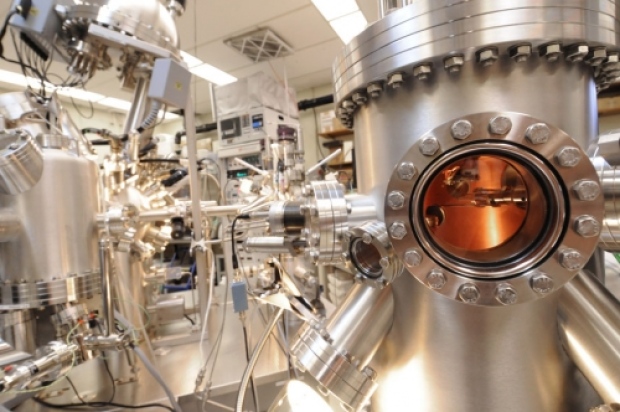
The Nobel Prize in Chemistry awarded this week for developments in nanotechnology heralds a new era in science, akin to the discovery of electromagnetic induction 185 years ago. And like electricity, nanotechnology could influence the world in dramatic ways, not even imaginable today.

The world’s tiniest machines

The Nobel Laureates developed molecular machines, which are incredibly tiny devices assembled one molecule at a time, including a working motor, a lifting machine, a micro-muscle, and even a four wheel drive vehicle, all of which can only be seen with the most powerful electron microscopes. While these lab experiments are novel curiosities, the implications are huge, and Canada is on the forefront of pushing this research forward.

Many universities offer degree programs on the subject while organizations such as the National Institute for Nanotechnology at the University of Alberta, and the Waterloo Institute for Nanotechnology at the University of Waterloo in Ontario, are conducting fundamental research on these new novel materials.

Amazing potential to change our world

The potential applications for nanotechnology are huge, and could enter almost all aspects of our lives. Nano-machines could enter the bloodstream to deliver cancer drugs to precise targets, reducing the dosage needed, or carry out DNA repair. Artificial muscles would have a soft, natural grip, and biochips could be made to restore function to lost nerves.

Molecular computer chips would be smaller than current silicon-based chips, and the computers themselves could be made of flexible material that would roll up into your pocket instead of a hard body stuffed into a carrying case. There will be miracle products that are super thin, super strong, super smooth, super slippery, the list is endless.  In fact, most researchers would admit that they really don’t know how far nanotechnology will go, which is why it is worth pursuing.

This time of great potential for new technology is similar to the experiments of Michael Faraday who worked with magnets and electric currents to develop the electric motor in 1821 and went on to discover magnetic induction, the principle behind generators and transformers. While recognizing these basic principles were important, and held great potential, Faraday could not have imagined the global electrical grid, countless household electrical appliances, the internet, and smartphones. Yet they all came out of his simple experiments in a laboratory more than a century and a half ago.

And like electricity, which runs invisibly through wires and circuits, we won’t see most of nanotechnology. We will simply enjoy the benefits of batteries that last much longer, improved solar panels, materials that repair themselves, no more needles at the doctor, and a whole myriad of conveniences yet to be imagined.

There have been revolutions in technology since people discovered that metals made better tools than stone, or that computer chips could calculate better than mechanical machines. These are exciting times to be alive at the beginning of what could be another powerful game changer in human achievement.

Source…http://news360.com/article/372973231

m

Control The Food Supply & You Control The People

First published by Waking Times, posted by Global Research in May 2014, this article provides a historical viewpoint. It is of particular relevance in relation to the Monsanto-Bayer merger.


In Monsanto’s view, all foods must be under their full control and genetically modified or they are not safe to eat!

Whole Foods sees an opportunity to save face and becomes the first grocery chain to announce mandatory labelling of their GMO products…in 2018! Uh, thanks for nothing, Whore.

The Monsanto Protection Act, part of the HR 933 continuing resolution, allows Monsanto to override U.S. federal courts on the issue of planting experimental genetically engineered crops all across the country.

Of all the mega-corps running amok, Monsanto has consistently outperformed its rivals, earning the crown as “most evil corporation on Earth!” Not content to simply rest upon its throne of destruction, it remains focused on newer, more scientifically innovative ways to harm the planet and its people.

1901: The company is founded by John Francis Queeny, a member of the Knights of Malta, a thirty year pharmaceutical veteran married to Olga Mendez Monsanto, for which Monsanto Chemical Works is named. The company’s first product is chemical saccharin, sold to Coca-Cola as an artificial sweetener.

Even then, the government knew saccharin was poisonous and sued to stop its manufacture but lost in court, thus opening the Monsanto Pandora’s Box to begin poisoning the world through the soft drink.

1920s: Monsanto expands into industrial chemicals and drugs, becoming the world’s largest maker of  aspirin, acetylsalicyclic acid, (toxic of course). This is also the time when things began to go horribly wrong for the planet in a hurry with the introduction of  their polychlorinated biphenyls (PCBs).

“PCBs were considered an industrial wonder chemical, an oil that wouldn’t burn, impervious to degradation and had almost limitless applications. Today PCBs are considered one of the gravest chemical threats on the planet. Widely used as lubricants, hydraulic fluids, cutting oils, waterproof coatings and liquid sealants, are potent carcinogens and have been implicated in reproductive, developmental and immune system disorders. The world’s center of PCB manufacturing was Monsanto’s plant on the outskirts of East St. Louis, Illinois, which has the highest rate of fetal death and immature births in the state.”(1)


Even though PCBs were eventually banned after fifty years for causing such devastation, it is still present in just about all animal and human blood and tissue cells across the globe. Documents introduced in court later showed Monsanto was fully aware of the deadly effects, but criminally hid them from the public to keep the PCB gravy-train going full speed!

1930s: Created its first hybrid seed corn and expands into detergents, soaps, industrial cleaning products, synthetic rubbers and plastics. Oh yes, all toxic of course!

1940s: They begin research on uranium to be used for the Manhattan Project’s first atomic bomb, which would later be dropped on Hiroshima and Nagasaki, killing hundreds of thousands of Japanese, Korean and US Military servicemen and poisoning millions more.

The company continues its unabated killing spree by creating pesticides for agriculture containing deadly dioxin, which poisons the food and water supplies. It was later discovered Monsanto failed to disclose that dioxin was used in a wide range of their products because doing so would force them to acknowledge that it had created an environmental Hell on Earth.

1950s: Closely aligned with The Walt Disney Company, Monsanto creates several attractions at Disney’s Tomorrowland, espousing the glories of chemicals and plastics. Their “House of the Future” is constructed entirely of toxic plastic that is not biodegradable as they had asserted. What, Monsanto lied? I’m shocked!

“After attracting a total of 20 million visitors from 1957 to 1967, Disney finally tore the house down, but discovered it would not go down without a fight. According to Monsanto Magazine, wrecking balls literally bounced off the glass-fiber, reinforced polyester material. Torches, jackhammers, chain saws and shovels did not work. Finally, choker cables were used to squeeze off parts of the house bit by bit to be trucked away.”(2)


Monsanto’s Disneyfied vision of the future:

1960s: Monsanto, along with chemical partner-in-crime DOW Chemical, produces dioxin-laced Agent Orange for use in the U.S.’s Vietnam invasion. The results? Over 3 million people contaminated, a half-million Vietnamese civilians dead, a half-million Vietnamese babies born with birth defects and thousands of U.S. military veterans suffering or dying from its effects to this day!

 Monsanto is hauled into court again and internal memos show they knew the deadly effects of dioxin in Agent Orange when they sold it to the government. Outrageously though, Monsanto is allowed to present their own “research” that concluded dioxin was safe and posed no negative health concerns whatsoever. Satisfied, the bought and paid for courts side with Monsanto and throws the case out. Afterwards, it comes to light that Monsanto lied about the findings and their real research concluded that dioxin kills very effectively.

A later internal memo released in a 2002 trial admitted

“that the evidence proving the persistence of these compounds and their universal presence as residues in the environment is beyond question … the public and legal pressures to eliminate them to prevent global contamination are inevitable. The subject is snowballing. Where do we go from here? The alternatives: go out of business; sell the hell out of them as long as we can and do nothing else; try to stay in business; have alternative products.”(3)

Monsanto partners with I.G. Farben, makers of Bayer aspirin and the Third Reich’s go-to chemical manufacturer producing deadly Zyklon-B gas during World War II. Together, the companies use their collective expertise to introduce aspartame, another extremely deadly neurotoxin, into the food supply. When questions surface regarding the toxicity of saccharin, Monsanto exploits this opportunity to introduce yet another of its deadly poisons onto an unsuspecting public.

1970s: Monsanto partner, G.D. Searle, produces numerous internal studies which claim aspartame to be safe, while the FDA’s own scientific research clearly reveals that aspartame causes tumors and massive holes in the brains of rats, before killing them. The FDA initiates a grand jury investigation into G.D. Searle for “knowingly misrepresenting findings and concealing material facts and making false statements” in regard to aspartame safety.

During this time, Searle strategically taps prominent Washington insider Donald Rumsfeld, who served as Secretary of Defense during the Gerald Ford and George W. Bush  presidencies, to become CEO. The corporation’s primary goal is to have Rumsfeld utilize his political influence and vast experience in the killing business to grease the FDA to play ball with them.

A few months later, Samuel Skinner receives “an offer he can’t refuse,” withdraws from the investigation and resigns his post at the U.S. Attorney’s Office to go work for Searle’s law firm. This mob tactic stalls the case just long enough for the statute of limitation to run out and the grand jury investigation is abruptly and conveniently dropped.

1980s: Amid indisputable research that reveals the toxic effects of aspartame and as then FDA commissioner Dr. Jere Goyan was about to sign a petition into law keeping it off the market, Donald Rumsfeld calls Ronald Reagan for a favor the day after he takes office. Reagan fires the uncooperative Goyan and appoints Dr. Arthur Hayes Hull to head the FDA, who then quickly tips the scales in Searle’s favor and NutraSweet is approved for human consumption in dried products.This becomes sadly ironic since Reagan, a known jelly bean and candy enthusiast, later suffers from Alzheimers during his second term, one of the many horrific effects of aspartame consumption.

Searle’s real goal though was to have aspartame approved as a soft drink sweetener since exhaustive studies revealed that at temperatures exceeding 85 degrees Fahrenheit, it “breaks down into known toxins Diketopiperazines (DKP), methyl (wood) alcohol, and formaldehyde.”(4), becoming many times deadlier than its powdered form!

The National Soft Drink Association (NSDA) is initially in an uproar, fearing future lawsuits from consumers permanently injured or killed by drinking the poison. When Searle is able to show that liquid aspartame, though incredibly deadly, is much more addictive than crack cocaine, the NSDA is convinced that skyrocketing profits from the sale of soft drinks laced with aspartame would easily offset any future liability. With that, corporate greed wins and the unsuspecting soft drink consumers pay for it with damaged healths.

Coke leads the way once again (remember saccharin?) and begins poisoning Diet Coke drinkers with aspartame in 1983. As expected, sales skyrocket as millions become hopelessly addicted and sickened by the sweet poison served in a can. The rest of the soft drink industry likes what it sees and quickly follows suit, conveniently forgetting all about their initial reservations that aspartame is a deadly chemical. There’s money to be made, lots of it and that’s all that really matters to them anyway!

In 1985, undaunted by the swirl of corruption and multiple accusations of fraudulent research undertaken by Searle, Monsanto purchases the company and forms a new aspartame subsidiary called NutraSweet Company. When multitudes of independent scientists and researchers continue to warn about aspartame’s toxic effects, Monsanto goes on the offensive, bribing the National Cancer Institute and providing their own fraudulent papers to get the NCI to claim that formaldehyde does not cause cancer so that aspartame can stay on the market.

The known effects of aspartame ingestion are: “mania, rage, violence, blindness, joint-pain, fatigue, weight-gain, chest-pain, coma, insomnia, numbness, depression, tinnitus, weakness, spasms, irritability, nausea, deafness, memory-loss, rashes, dizziness, headaches, seizures, anxiety, palpitations, fainting, cramps, diarrhoea, panic, burning in the mouth. Diseases triggered/mimmicked include diabetes, MS, lupus, epilepsy, Parkinson’s, tumours, miscarriage, infertility, fibromyalgia, infant death, Alzheimer’s… Source : U.S. Food & Drug Administration.(5)

Further, 80% of complaints made to the FDA regarding food additives are about aspartame, which is now in over 5,000 products including diet and non-diet sodas and sports drinks, mints, chewing gum, frozen desserts, cookies, cakes, vitamins, pharmaceuticals, milk drinks, instant teas, coffees, yogurt, baby food and many, many more!(6) Read labels closely and do not buy anything that contains this horrific killer!

Amidst all the death and disease, FDA’s Arthur Hull resigns under a cloud of corruption and is immediately hired by Searle’s public relations firm as a senior scientific consultant. No, that’s not a joke! Monsanto, the FDA and many government health regulatory agencies have become one and the same! It seems the only prerequisite for becoming an FDA commissioner is that they spend time at either Monsanto or one of the pharmaceutical cartel’s organized crime corps.

1990s: Monsanto spends millions defeating state and federal legislation that disallows the corporation from continuing to dump dioxins, pesticides and other cancer-causing poisons into drinking water systems. Regardless, they are sued countless times for causing disease in their plant workers, the people in surrounding areas and birth defects in babies.

With their coffins full from the massive billions of profits, the $100 million dollar settlements are considered the low cost of doing business and thanks to the FDA, Congress and White House, business remains very good. So good that Monsanto is sued for giving radioactive iron to 829 pregnant women for a study to see what would happen to them.

In 1994, the FDA once again criminally approves Monsanto’s latest monstrosity, the Synthetic Bovine Growth Hormone (rBGH), produced from a genetically modified E. coli bacteria, despite obvious outrage from the scientific community of its dangers. Of course, Monsanto claims that diseased pus milk, full of antibiotics and hormones is not only safe, but actually good for you!

 Worse yet, dairy companies who refuse to use this toxic cow pus and label their products as“rBGH-free” are sued by Monsanto, claiming it gives them an unfair advantage over competitors that did. In essence, what Monsanto was saying is “yeah, we know rBGH makes people sick, but it’s not alright that you advertise it’s not in your products.”

 The following year, the diabolical company begins producing GMO crops that are tolerant to their toxic herbicide Roundup. Roundup-ready canola oil (rapeseed), soybeans, corn and BT cotton begin hitting the market, advertised as being safer, healthier alternatives to their organic non-GMO rivals. Apparently, the propaganda worked as today over 80% of canola on the market is their GMO variety.

A few things you definitely want to avoid in your diet are GMO soy, corn, wheat and canola oil, despite the fact that many “natural” health experts claim the latter to be a healthy oil. It’s not, but you’ll find it polluting many products on grocery store shelves.

 Because these GM crops have been engineered to ‘self-pollinate,’ they do not need  nature or bees to do that for them. There is a very dark side agenda to this and that is to wipe out the world’s bee population.

 Monsanto knows that birds and especially bees, throw a wrench into their monopoly due to their ability to pollinate plants, thus naturally creating foods outside of the company’s “full domination control agenda.” When bees attempt to pollinate a GM plant or flower, it gets poisoned and dies. In fact, the bee colony collapse was recognized and has been going on since GM crops were first introduced.

To counter the accusations that they deliberately caused this ongoing genocide of bees, Monsanto devilishly buys out Beeologics, the largest bee research firm that was dedicated to studying the colony collapse phenomenon and whose extensive research named the monster as the primary culprit! After that, it’s “bees, what bees? Everything’s just dandy!” Again, I did not make this up, but wish I had!

During the mid-90s, they decide to reinvent their evil company as one focused on controlling the world’s food supply through artificial, biotechnology means to preserve the Roundup cash-cow from losing market-share in the face of competing, less-toxic herbicides. You see, Roundup is so toxic that it wipes out non-GMO crops, insects, animals, human health and the environment at the same time. How very efficient!

 Because Roundup-ready crops are engineered to be toxic pesticides masquerading as food, they have been banned in the EU, but not in America! Is there any connection between that and the fact that Americans, despite the high cost and availability of healthcare, are collectively the sickest people in the world? Of course not!

 As was Monsanto’s plan from the beginning, all non-Monsanto crops would be destroyed, forcing farmers the world over to use only its toxic terminator seeds. And Monsanto made sure farmers who refused to come into the fold were driven out of business or sued when windblown terminator seeds poisoned organic farms.

This gave the company a virtual monopoly as terminator seed crops and Roundup worked hand in glove with each other as GMO crops could not survive in a non-chemical environment so farmers were forced to buy both.

Their next step was to spend billions globally buying up as many seed companies as possible and transitioning them into terminator seed companies in an effort to wipe out any rivals and eliminate organic foods off the face of the earth. In Monsanto’s view, all foods must be under their full control and genetically modified or they are not safe to eat!

 They pretend to be shocked that their critics in the scientific community question whether crops genetically modified with the genes of diseased pigs, cows, spiders, monkeys, fish, vaccines and viruses are healthy to eat. The answer to that question is obviously a very big “no way!”

You’d think the company would be so proud of their GMO foods that they’d serve them to their employees, but they don’t. In fact, Monsanto has banned GM foods from being served in their own employee cafeterias. Monsanto lamely responded “we believe in choice.” What they really means is “we don’t want to kill the help.”

It’s quite okay though to force-feed poor nations and Americans these modified monstrosities as a means to end starvation since dead people don’t need to eat! I’ll bet the thought on most peoples’ minds these days is that Monsanto is clearly focused on eugenics and genocide, as opposed to providing foods that will sustain the world. As in Monsanto partner Disney’s Sleeping Beauty, the wicked witch gives the people the poisoned GMO apple that puts them to sleep forever!

2000s: By this time Monsanto controls the largest share of the global GMO market. In turn, the US gov’t spends hundreds of millions to fund aerial spraying of Roundup, causing massive environmental devastation. Fish and animals by the thousands die within days of spraying as respiratory ailments and cancer deaths in humans spike tremendously. But this is all considered an unusual coincidence so the spraying continues. If you thought Monsanto and the FDA were one and the same, well you can add the gov’t to that sorry list now.

The monster grows bigger: Monsanto merges with Pharmacia & Upjohn, then separates from its chemical business and rebrands itself as an agricultural company. Yes, that’s right, a chemical company whose products have devastated the environment, killed millions of people and wildlife over the years now wants us to believe they produce safe and nutritious foods that won’t kill people any longer. That’s an extremely hard-sell, which is why they continue to grow bigger through mergers and secret partnerships.

Because rival DuPont is too large a corporation to be allowed to merge with, they instead form a stealth partnership where each agrees to drop existing patent lawsuits against one another and begin sharing GMO technologies for mutual benefit. In layman’s terms, together they would be far too powerful and politically connected for anything to stop them from owning a virtual monopoly on agriculture; “control the food supply & you control the people!”

 Not all is rosy as the monster is repeatedly sued for $100s of millions for causing illness, infant deformities and death by illegally dumping all manner of PCBs into ground water, and continually lying about products safety – you know, business as usual.

The monster often perseveres and proves difficult to slay as it begins filing frivolous suits against farmers it claims infringe on their terminator seed patents. In virtually all cases, unwanted seeds are windblown onto farmers’ lands by neighboring terminator-seeded farms. Not only do these horrendous seeds destroy the organic farmers’ crops, the lawsuits drive them into bankruptcy, while the Supreme Court overturns lower court rulings and sides with Monsanto each time.

At the same time, the monster begins filing patents on breeding techniques for pigs, claiming animals bred any way remotely similar to their patent would grant them ownership. So loose was this patent filing that it became obvious they wanted to claim all pigs bred throughout the world would infringe upon their patent.

The global terrorism spreads to India as over 100,000 farmers who are bankrupted by GMO crop failure, commit suicide by drinking Roundup so their families will be eligible for death insurance payments. In response, the monster takes advantage of the situation by alerting the media to a new project to assist small Indian farmers by donating the very things that caused crop failures in the country in the first place! Forbes then names Monsanto “company of the year.” Sickening, but true.

 More troubling is that Whole Foods, the corporation that brands itself as organic, natural and eco-friendly is proven to be anything but. They refuse to support Proposition 37, California’s GMO-labeling measure that Monsanto and its GMO-brethren eventually helped to defeat.

Why? Because Whole Foods has been in bed with Monsanto for a long time, secretly stuffing its shelves with overpriced, fraudulently advertized “natural & organic” crap loaded with GMOs, pesticides, rBGH, hormones and antibiotics. So, of course they don’t want mandatory labelling as that would expose them as the Whole Frauds and Whore Foods that they really are!

 However, when over twenty biotech-friendly companies including WalMart, Pepsico and ConAgra recently met with FDA in favor of mandatory labelling laws, this after fighting tooth and nail to defeat Prop 37, Whole Foods sees an opportunity to save face and becomes the first grocery chain to announce mandatory labelling of their GMO products…in 2018! Uh, thanks for nothing, Whore.

 And if you think its peers have suddenly grown a conscience, think again. They are simply reacting to the public’s outcry over the defeat of Prop 37 by crafting deceptive GMO-labelling laws to circumvent any real change, thus keeping the status quo intact.

 To add insult to world injury, Monsanto and their partners in crime Archer Daniels Midland, Sodexo and Tyson Foods write and sponsor The Food Safety Modernization Act of 2009: HR 875. This  “act” gives the corporate factory farms a virtual monopoly to police and control all foods grown anywhere, including one’s own backyard, and provides harsh penalties and jail sentences for those who do not use chemicals and fertilizers. President Obama decided this sounded reasonable and gave his approval.

 With this Act, Monsanto claims that only GM foods are safe and organic or homegrown foods potentially spread disease, therefore must be regulated out of existence for the safety of the world. If eating GM pesticide balls is their idea of safe food, I would like to think the rest of the world is smart enough to pass.

As further revelations have broken open regarding this evil giant’s true intentions, Monsanto crafted the ridiculous HR 933 Continuing Resolution, aka Monsanto Protection Act, which Obama robo-signed into law as well.This law states that no matter how harmful Monsanto’s GMO crops are and no matter how much devastation they wreak upon the country, U.S. federal courts cannot stop them from continuing to plant them anywhere they choose. Yes, Obama signed a provision that makes Monsanto above any laws and makes them more powerful than the government itself. We have to wonder who’s really in charge of the country because it’s certainly not him!

There comes a tipping point though when a corporation becomes too evil and the world pushes back…hard! Many countries continue to convict Monsanto of crimes against humanity and have banned them altogether, telling them to “get out and stay out!”

The world has begun to awaken to the fact that the corporate monster does not want control over the global production of food simply for profit’s sake. No, it’s become clear by over a century of death & destruction that the primary goal is to destroy human health and the environment, turning the world into a Mon-Satanic Hell on Earth!

 Research into the name itself reveals it to be latin, meaning “my saint,” which may explain why critics often refer to it as “Mon-Satan.” Even more conspiratorially interesting is that free masons and other esoteric societies assigned numbers to each letter in our latin-based alphabet system in a six system. Under that number system, what might Monsanto add up to? Why, of course 6-6-6!

 Know that all is not lost. Evil always loses in the end once it is widely exposed to the light of truth as is occurring now. The fact that the Monsanto-led government finds it necessary to enact desperate legislation to protect its true leader proves this point. Being evicted elsewhere, the United States is Monsanto’s last stand so to speak.

Yet, even here many have begun striking back by protesting against and rejecting GMO monstrosities, choosing to grow their own foods and shop at local farmers markets instead of the Monsanto-supported corporate grocery chains.

 The awakening people are also beginning to see they have been misled by corporate tricksters and federal government criminals poisoned by too much power, control and greed, which has resulted in the creation of the monstrous, out-of-control corporate beast.

SOURCE…www.globalresearch.ca

hi res 341aa7c3a5537d5530c964132bcf26b3 crop north1

The Next Frontier of NFL Performance: Sleep

Imagine a conference championship game five or 10 years from now. The road team, having traveled to London and Las Vegas for its previous playoff games, arrives in Foxborough and engineers a shocking upset with the help of a surprising strategy: Even though the team’s quarterback is an All-Pro known for picking apart defenses, it employs a scaled-back, run-heavy game plan.

The head coach explains his daring tactical shift at the postgame press conference. “Well, Deshaun’s sleep hygiene has been terrible because of all our travel,” he says. “Our monitors recorded a 37 percent reduction in high-order decision-making because of poor sleep. Meanwhile, Ezekiel’s sleep hygiene has been great, speeding his recovery from that high ankle sprain. So we decided to pound the ball between the tackles.”

Coaching decisions based on sleep habits? Precision monitoring of players’ sleep and how it affects their health and performance? “Sleep hygiene?”

Does sleep even make that much of a difference, assuming a player got at least a little of it in the 48 hours before kickoff?

It turns out that sleep is the next frontier of NFL performance. Sports scientists around the world are studying it. Companies are designing new products to monitor it. Sleep is becoming the elite athlete’s secret weapon, and the NFL is just starting to discover how to harness its potential.


Learning the Language of Sleep

Gary McCoy, a sports science consultant for many NFL teams over the last few years, watched a pair of receivers sweat their way through a training camp session in 2015. One receiver was a celebrated veteran, the other a speedy young up-and-comer. Both wore high-tech sensors that monitored their heart rates, body temperatures and physical stresses during the intense practice. The sensors confirmed that the stress data for each receiver was roughly equal: Practice was just as hard for both of them.

But after practice, the veteran was ready for a full weight-room session. The younger player was gassed. If there was no difference in practice difficulty, shouldn’t it have been the other way around? McCoy realized that the sensors were missing an important aspect of athletic performance.

“We’re measuring stress,” he said. “But what’s more important is stress response.”

There is still a lot of mystery surrounding sleep. Sleep science is a new science. Until a few years ago, there were only two ways to monitor sleep: polysomnography, the expensive, cumbersome lab equipment that placed participants in uncomfortable and unfamiliar locations (thus immediately affecting their sleep patterns); or unreliable surveys of the I slept about eight hours last night, doc variety that had little chance of yielding precise results.

The rise of wearable wrist tech has revolutionized sleep study. Your everyday Fitbit provides a wealth of information, so much that your in-law can post their bad night’s sleep data on Facebook as a warning to everyone that she’s going to have a crabby day.

NFL teams are notoriously more secretive about their training programs and sports science initiatives. But they do exist.

WHOOP, the company for whom McCoy works, has developed wearable tech that includes a sophisticated sleep monitoring system that measures the length and quality of a night’s sleep and converts it into an easy-to-interpret quality score.

Another company selling sleep monitors to the NFL, Fatigue Science has developed the ReadiBand sleep tracker and SAFTE bio-mathematical fatigue model software in conjunction with the U.S. Army Research Lab and Johns Hopkins University. The system “translates all the complexity and nuance around a person’s sleep into a performance prediction,” according to sales director Jacob Fiedler.

The NFL and American team sports in general have been slow to join the sleep science revolution. Chip Kelly was well-known for his sleep science initiatives in Philadelphia, though he scrapped the monitoring program in favor of a voluntary reporting program last year. And while Fatigue Science officially consults with the Seattle Seahawks, most relationships between NFL teams and sleep-monitor vendors are off the record. B/R found, however, that at least a dozen teams have recently explored some kind of sleep monitoring program.


The quiet embrace of studying slumber is not new in sports, particularly on the international scene. Nick Littlehales was a mattress company executive consulting with Premier League superpower Manchester United several years ago to help players with chronic back pain (and, he hoped, secure a few endorsements). When he became a familiar face around team headquarters, the British soccer press (which can make the NFL media look like a litter of kittens) took notice.

“The paparazzi wrote: Those pampered Manchester United players have got a sleep coach who’s tucking them in and reading them bedtime stories,” Littlehales joked. “So I became the Sleep Coach by default.”

The laughs died down as other football clubs began investigating the link between sleep and performance. Sleep Coach Littlehales has performance monitors and bedding products for sale, but he also designs seminars for players, coaches and teams.

“Working with elite athletes, you have to define a language,” he said. “If you tell them you’re a sleep coach, they’ll run a mile. It’s not something they’re very interested in.”

One of the first terms athletes and teams learn in that new language is sleep hygiene, the habits that lead to healthy sleep, from limiting caffeine and alcohol intake to monitoring the temperature and humidity of the bedroom to scaling back on nighttime smartphone use. There is other not-too-familiar terminology to master, including circadian rhythms (the biological 24-hour cycles that dictate everything from brain wave activity to digestion) and polyphasic sleep (multiple naps instead of an eight-hour sleep session: important for soldiers, astronauts and athletes on crazy travel schedules).

Some NFL players are starting to speak the language. Fatigue Science’s products are the ones Richard Sherman cited in a guest Sports Illustrated column after the Seahawks won the Super Bowl in 2014. “We have specialized doctors who monitor us for concussion symptoms and wrist wear that helps the team track our sleep patterns,” Sherman wrote.

He added in a parenthetical aside: “In case you’re wondering, the sleep science has paid off for several guys.”

Sherman is not alone among players in embracing sleep science. “You’ve always heard you need eight hours of sleep, but you don’t know the science behind it all,” Eagles safety Malcolm Jenkins told B/R in an offseason interview. “You don’t know until you’re taught the effect lack of sleep has upon your brain and its functionality. It changes completely when you’re sleep-deprived.” Jenkins includes a discussion of the importance of sleep to health and recovery as part of his youth football camps.

Star fitness trainer Brett Bartholomew, who has worked with Von Miller, Rob Gronkowski and others during the offseason, is on board with the sleep revolution. “Rest is a weapon,” he told Brad Stulberg of Outside Magazine. “What was once seen as a weakness is now a strength.” Bartholomew recommends massage and relaxing music, but “all of that stuff pales in comparison to sleep,” he says. “Just like you eat to support your training you need to sleep to support your training.”

In a 2015 feature for TheMMQB.com, Jenny Vrentas revealed that many NFL veterans are strict about their sleep routines, including Tom Brady, who has a 9 p.m. bedtime.

J.J. Watt is so dedicated to recovery science that he told Men’s Healthmagazine he naps in a flotation tank. “I love it. Sleep is something people overlook,” Watt says.

It sounds like a lot of technology, jargon and effort to emphasize something your grandma could have told you. But there is a lot more to sleep than just going to bed on time and waking up refreshed, especially for athletes who must travel coast-to-coast, sleep in unfamiliar hotels and make sure they are mentally and physically ready for kickoff.


Nature’s Performance Enhancer

When Dr. Shona Halson, senior recovery physiologist of the Australian Sports Commission, writes that “REM sleep is considered an activated brain inside a paralyzed body,” it sounds more like the stuff of horror movies than a natural, everyday (or every night) part of life.

More than the scary description, there are excellent reasons to rush toward a better understanding of sleep.

First, sleep disorders like apnea can be potentially life-threatening, they plague huge men (like football players), and they often go undetected by individuals who just think they “don’t sleep well.” Wrist monitors are not quite foolproof enough to diagnose a disorder, but they can point an athlete and his family, coaches or doctors toward a potential problem.

“A percentage of the whole adult population is dealing with something that has probably not been diagnosed or treated,” Fiedler said. “It can obviously have a huge impact on your life and health.”

Second, athletes who are too amped to sleep before and after the big game too often turn to pills. “A lot of times I go into an organization because the doctor was giving out 100 sleeping tablets every season, but now it’s up to a thousand'” Littlehales said. “And he wants to stop it.” A more scientific approach to sleep can lead athletes to better solutions.

Finally, and most excitingly, there’s sleep’s potential as what Halson calls a “natural performance enhancer.” Studies show that the body produces HGH while we sleep. Proper sleep doesn’t just make you more alert. It helps your body heal and grow. It can decrease recovery time for injuries and, like those receivers McCoy studied in training camp last year, it can increase offseason workout capacities.

There are also common-sense benefits to sleep that are still being quantified. Researchers have discovered that basketball players who take steps to improve their sleep habits become better free-throw shooters. Athletes who haven’t had enough sleep report increased fatigue and slower reactions. The WHOOP device calculates a cognitive marker to determine which players have had too little sleep to be of much use in the film room. “It can tell that this quarterback is ready for this level of cognitive information, but this one isn’t,” McCoy explained.

Still, the research is still in its infancy. The technology is still new, and no NFL players or international soccer stars are about to purposely go sleep-deprived before a big game or match in the name of science.

There is another impediment to the advancement of sleep science. The wearable tech may be too good, providing too much information to too many people too easily.

All the experts agree that there’s little good that can come from the rookie quarterback who checks his monitor the morning of the big game, realizes his night’s sleep was horrible and ends up with one more thing to worry about. For now, that isn’t an issue. The various devices being marketed to NFL teams will only send information to the team the night before kickoff, not the player himself.

But that raises another potential problem: how much information about the player’s sleeping habits should a team have access to? The issue translates easily into our own lives. How much information about your bedroom habits—bedtime, heart rate changes, respiration changes, body temperature changes, think about it—do you want your boss to have access to?

Wait … forget the boss. “The last thing we want is a player’s wife to get access to this information and ask: ‘Why weren’t you recovered for those two days you were on the road?'” McCoy acknowledged.


Little Interventions

Concerns over the scope of the information led the NFL Players Association to file a grievance regarding sleep monitors last October, stating that “because the use of such technology occurs outside of games and practice, we believe such use violates the Collective Bargaining Agreement.” Basically, the NFLPA contends that while teams have the right to monitor all sorts of body functions during practice, that right does not extend into the player’s bedroom.

The grievance was quietly settled over the summer. Teams can institute roster-wide monitoring as long as they receive NFLPA consent for the program. The Seahawks are currently the only team openly using sleep monitors on a roster-wide basis, as the New York Times‘ Ken Belson reported Saturday.

The policy change reflects both technological advancementss and the increased acceptance of wearable tech in the marketplace in recent years.

The makers of wearable tech understood the potential privacy concerns and created safeguards to resolve them. WHOOP doesn’t make the “granular” data available to the team, just a Recovery Score that places the night’s sleep into green-yellow-red categories. “They really don’t want to monitor your in-bed activities,” McCoy said.

Fiedler points out that the collective bargaining agreement was written back in 2011, when no one would have imagined everyday consumers wearing a Fitbit on their morning jogs. “Largely, they were uninformed about what data is actually being collected and how it’s being used, and what safeguards are in place to protect the players’ privacy,” he said of the resistance to team-wide monitoring.

The fear that the minute-by-minute bedroom events in the life of (let’s say) Rob Gronkowski might wind up in the hands of Roger Goodell or TMZ.com will keep the NFLPA on guard. There are also plenty of old-school coaches who scoff at the notion of newfangled “sports science” offering anything the fellas couldn’t get from good ol’ free weights and medicine balls.

But the gizmos are really only a small part of the full sleep science picture. “It’s about education,” Littlehales said. “It’s about raising awareness. It’s about techniques. It’s about little interventions.”

Littlehales’ seminars focus on teaching athletes to think of sleep in terms of cycles, not hours. Typically, a person goes through five cycles of different kinds of sleep (light, deep, REM) in eight hours. Instead of striving for eight hours per night, athletes and their coaching staffs can aim for 35 cycles per week, counting naps.

So, say a team like the Seahawks faces a playoff schedule that takes them from Seattle to Minneapolis to Seattle to Charlotte. Between long flights, jet lag, unfamiliar hotels and pre- and postgame adrenaline, eight-hour nights of sleep might be rare. But coaches can alter practice schedules and require nap periods, while players can learn how to better control their sleep patterns by monitoring caffeine intake, doing a little midnight yoga and so forth.

“They need to look at sleep in a polyphasic way,” Littlehales said. “They have to put their sleep in at different times to meet their schedules.”

Athletes who buy into sleep science quickly develop better habits. McCoy’s research of international athletes who used sleep monitors and learned some sleep hygiene basics revealed that they slept an extra 41 minutes per night on average, reduced their alcohol intake 70 percent and reduced their caffeine intake 60 percent. “It was mind-blowing,” McCoy said.

It’s a sign of the times that the one behavior that budged the least is the use of electronic devices, which have become the 21st century’s sneakiest sleep thieves. Coffee and booze proved easier to quit than late-night Twitter or Call of Duty. Still, sleep monitoring decreased electronic usage by 20 percent, according to the research.

Elite athletes can begin to strive for an excellent sleep score the same way they seek improvements on the track or in the weight room. “For the athletes that want it and embrace it, it’s something tangible,” Fiedler said of sleep science. “They get so many things thrown at them during the days and weeks of the preseason and the regular season. There’s something to the logic of providing them the right information in the right way.”

Teach a football player how and why to sleep better, and he will sleep better, whether his nighttime heart rates stream directly to Jerry Jones’ laptop or not. And once he’s sleeping better, he will start thinking better, recovering better and performing better.

Littlehales can foresee a scenario in which coaches use sleep analysis to make strategic decisions. “The captain’s got to be out there leading the team. But at the moment, he’s at 70 percent recovery. He’s also a night person, and this game is kicking off at night. What we need is a set of things in place so we don’t expose it,” Littlehales theorized.

In the meantime, NFL players and coaches are learning the language of sleep. Once they do, it’s on the field where the effect of sleep science will be most obvious and dramatic.

“The superhumans are still in our sports, McCoy said. “We’re just going to find out how superhuman they are.”

SOURCE…www.bleacherreport.com

raw red meat1

Top 5 Ugly Truths the Meat Industry Hopes You Never Find Out

What we put in our bodies in the way of food makes a difference in every single level of our lives. It affects how we feel, how we look, how we reproduce, and even how we think. These things will then make a difference in how we relate to each other as a society, which then translates into how we will relate as a society to the entire world. Food is just as relevant and important to us and our survival as air and water.When we started changing where our food source came from is when the trouble seems to have started. We stopped getting our food from people (neighborhood farmers, friends, our own backyard gardens) and started getting it from corporations.  This was a huge mistake and it shows in every aspect of our lives.

Unfortunately, many of us live so far removed from farms and dairy production that we have little or no idea what is going on, what is in our food, or how the animals we are eating are being treated. You would never consider eating meat from a cow that was obviously sick when it was alive, but since you aren’t there when this cow is slaughtered; you could very well be eating meat from sick animals. We are what we eat, friends, so in this case, the sickness the animal had while it was alive can be transferred to you when you eat it.

This isn’t to say that we all need to be standing by, personally approving every animal that is killed before we eat it. That is completely unrealistic. But everyone should be aware of the facts behind factory farmed meats and why you should NOT be consuming those.

Take a look at the top 5 facts behind factory farmed animals and why the meat industry hopes you never find out.

1. Factory farmed means extreme density problems

Thirty eight states in the US admit to having extreme density levels at least at some their factory farms. California is perhaps the worst offender with more than 25 percent of their counties saying that they have extreme density levels. What does this mean exactly?

Corporate run farms edge out the average family farm by undercutting meat prices so that they cannot survive and end up selling their farms to these corporations. Corporate farms are able to make their money in numbers, raising huge amounts of animals in crowded, inhumane conditions and increasing the speed at which animals grow through growth hormone injections.

Pigs and chickens are often kept in completely enclosed buildings where these animals never see the sun. EVER.

Factory farms avoid disease by constantly injecting their animals with antibiotics or putting antibiotics in the feed. They need to do this because the animals themselves are kept in unbelievably crowded, unclean conditions. Animals are packed in so tightly that sometimes they cannot turn around. If they want to lie down, they must do so in their own waste.

Even with these antibiotics, which are being passed on to you via the meat, by the way,  think of how many salmonella and E.coli outbreaks there have been in the past 20 years.

The waste from these animals, which is often sold as fertilizer, puts all those growth hormones and antibiotics into the soil, which leeches into our food and water supply.


2.  Ammonia Reigns

If you have ever gotten a whiff of strong ammonia, you most likely pulled back quickly. Ammonia is a powerful chemical that is used to clean things such as windows and toilets.

Ammonia is used in processing plants as it sterilizes the meat and kills some pathogens, but apparently not salmonella and E.coli as these are still problems in the meat supply in America.

Ammonia actually changes the DNA cell structure and warps cells, which can fuel the development of cancer, especially in organs that try to remove ammonia from the body, such as your liver and pancreas.

Although you won’t see ammonia on the list of ingredients, but if you have ever seen the words “processing agents” on a package of hamburger, then you know they used ammonia to clean it.


3.  Hormone Heaven

In addition to the antibiotics that must be given due to overcrowded conditions, hormones are given to many animals, such as pigs and cows, to help make them grow bigger and gain weight faster so they can be butchered more quickly.

Unfortunately, those hormones don’t know if they are fattening up a cow or YOU.

In America, two out of every three cows are given hormones because it will make the corporation more money. That’s it. They don’t care if these hormones cause you problems such as prostate cancer or breast cancer. They don’t care if these hormones make you gain weight; they only care about making more money

Hormones such as zeranol, verall, and progesterone, interrupt the human body’s natural hormone balance. Fewer women in Europe have breast cancer because the European Union has banned these types of hormones in their meat. Read more about foods Americans eat that are banned in other countries.

4. Antibiotics and You

Ever wonder why so many people and bacteria are becoming more and more resistant to antibiotics?

Part of the reason is because animals in the US are being fed huge overdoses of antibiotics and these stay in the meat, which you consume.


5.  Bleaching Your Meat

It’s well known that the meat industry also uses bleach rinses in order to clean meat. Now you might be asking, if they use bleach, why isn’t the meat white?

This is because the corporate meat industry uses nitrates to give meat that fresh, red color.

Everyone knows that the healthy flesh of recently killed meat is a flush of red. However, since many meats, especially processed meats such as bacon and hot dogs, were killed quite a while back, and then processed with bleach, they need to be made to look “fresh” again. Companies use nitrates and nitrites to make meat look red and fresh, and also to preserve its shelf life. If only nitrates could preserve us! Instead, nitrates are carcinogens that kill.

No one is suggesting that you need to give up meat entirely. Meat can be healthy for you when it is kept and killed correctly. Make a commitment today to only buy organic, grass fed meats. Cattle and chickens that walk freely about outside in the sun (which why you will sometimes see meat labels that say “Free Range”) and eat normal animal diets, such as seeds, grass, and insects, have healthy levels of many important vitamins and minerals. No one can say that about factory farmed meats.  Eat smart and always eat organic. It’s well worth the price.

SOURCE..www.naturalon.com