Tag Archives for " Health "

processed food copy

Are you in this food marketing trap?

Start and end your day with this...

What’s your food formula?

It’s not your imagination.

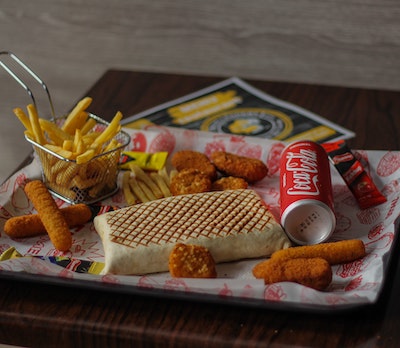
There ARE actually foods out there that are specifically designed to make you crave them.

We’re talking about from start to finish: their ingredients, taste, packaging, and marketing – basically, these foods are created to make you want MORE, MORE, MORE.

But the thing is, these foods are also some of the absolute WORST things you can eat, because they’re linked with obesity, type 2 diabetes, heart disease, and a long list of other chronic conditions.

(If you can’t tell, this gets us a little fired up.)

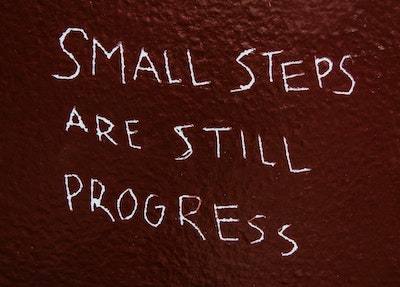
This month we are talking about SIMPLE steps you can take to get – and stay – on track with your healthy habits.

One of the BEST steps you can take is to avoid these foods if at all possible.

We’re talking about ULTRA-PROCESSED FOODS – factory-made cookies, chips, breads, boxed meals, frozen meals, etc.


These foods activate your brain’s reward centers – making you crave them, and even causing you to overeat.

The difference between PROCESSED and ULTRA-PROCESSED FOODS is that when you do anything to a food – like cooking it – it’s technically a form of processing. So that means sautéed greens and roasted chicken are “processed” foods.

BUT ultra-processed foods are made from low-quality, highly inflammatory ingredients (unhealthy fats, added sugar, and highly refined grains).

As a result, they’re low in fiber, protein, and valuable plant chemicals and other micronutrients your body needs to function at its best!

If you eat these foods, you will be doing your health a major favor if you take a big step away from them.

Instead, make SMART SWAPS to whole, nutrient-rich foods whenever possible:

  • Nuts
  • Fruit
  • Veggies
  • Whole (unrefined) grains
  • Lean proteins
  • And healthier homemade versions of those ultra-processed foods as “treats”

It can be an adjustment for your taste buds to get used to non-ultra processed foods … but you will be absolutely AMAZED at the difference in how you feel.

Just some of the changes you might notice: more energy, fewer cravings, fewer aches & pains, better sleep, improved workout performance and concentration, and so much more!

→ Try it for just ONE week and see for yourself.

If you want something step-by-step, with a customized blueprint to help you, check out our In-Studio and Online Training Programs or our 28-Day Online Kickstart Program. 

You can also learn more about Go Good Guru and it’s services by CLICKING HERE to Schedule a FREE Discovery Call.

We hope you found this information helpful.  Help us spread the GOOD word. Comment, Share and Follow Us @gogoodguru.

Don't miss any of our latest posts and news. JOIN OUR MAILING LIST


GOOD HEALTH IS CLOSER THAN YOU THINK

Don't let PAIN, COSTNO plan or gym access hold you back


CUSTOMIZED PERFORMANCE & THERAPY-BASED TRAINING PROGRAMS
IN THE PALM OF YOUR HAND

  • Individualized plans based on your fitness goals
  • Available plans in 30, 60 and 90 Days
  • Instant access to your plan from anywhere
  • Step-by-Step Instructions and how-to videos of all exercises
  • Easy tracking of training, body measurement and nutrition stats
  • Real-Time Accountability & Support from your coach with in-app messaging
  • Reminders for workouts and check-ins
  • 3rd Party Integration with many popular fitness apps and devices
  • ...ALL this and more for less than the cost of a single Private Training Session

Want some help becoming your healthiest, fittest, strongest version of you?

Most people know that regular movement, eating well, sleep, and stress management are important for looking and feeling better. Yet they need help applying that knowledge in the context of their busy, sometimes stressful lives.

That’s why we work closely with our Nutrition & Lifestyle Coaching clients to help them lose fat, get stronger, and improve their health… no matter what challenges they’re dealing with.


Struggling to keep up with all the new information coming out? Interested in learning how to navigate the latest trends and fads in nutrition?

CLICK HERE for our 
FREE "Nutrition Made Simple Guide"

You'll learn...

  • How to make sense of the latest research.
  • Ways to eat better without resorting to fads.
  • How to understand controversial topics like grains, detoxes, GMOs.
  • Strategies to eat the right amount of calories at the right times.
  • How to prepare healthy meals when you need them.
  • And much more…


Looking for more ways to up your wellness game?
CHECK OUT our Online Coaching

Join Our Newsletter! 
Stay up with all the
GO GOOD News

Get great wellness content, FREE recipe ideas & workouts, access to special events, Flash Mob Workout notices and much more.
question mark copy

Start and end your day with this…

Start and end your day with this...

What’s your food formula?

We’ve got a weird tip today to help you make every day a great day … and set your mindset up for success.

We actually gave this challenge to a few of clients, and this ONE small thing helped them build confidence and stay on track with their goals.

Here it is. (I’m going to tell you why it works below.)

  • Start AND end each day with 10 reps of your favorite exercise. (Could be squats, push-ups … you name it!)
  • Start AND end each day by writing down what you’re grateful for.

Start each by writing down your intention for the day … AND end that day by reflecting on how it went.

It’s NOT the specific WHAT that you choose that matters. It’s the WHY.

Starting and ending your day with an intentional good-for-you action sends a strong message to your mind that you are serious about your goals.

Taking a small, positive action in the beginning (and end) of each day will help set you up for SUCCESS because:

  • It doesn’t take much time, and
  • It’s ACHIEVABLE.

Try this for ONE MONTH and see what a difference it makes for yourself.

The fact is, motivation doesn’t just happen. It’s something that gets stronger the more you use it (just like your muscles). It takes regular upkeep.

When you have quick wins … and you begin to see (and feel!) your work paying off, it can help drive you forward to even MORE success.

If you were to take on this challenge, what one small action would YOU commit to?

If you’ve been on the fence about committing to your goals, it’s time to take that step forward so you can live your absolute BEST life.

Our newest 28-Day Online Kickstart Program is all about helping busy people over 40, reshape their bodies, feel stronger and leaner and, rediscover their energy with a complete roadmap, a plan that fits your busy schedule, delicious foods, and time-tested workout

We hope you found this information helpful.  Help us spread the GOOD word. Comment, Share and Follow Us @gogoodguru.

Don't miss any of our latest posts and news. JOIN OUR MAILING LIST


GOOD HEALTH IS CLOSER THAN YOU THINK

Don't let PAIN, COSTNO plan or gym access hold you back


CUSTOMIZED PERFORMANCE & THERAPY-BASED TRAINING PROGRAMS
IN THE PALM OF YOUR HAND

  • Individualized plans based on your fitness goals
  • Available plans in 30, 60 and 90 Days
  • Instant access to your plan from anywhere
  • Step-by-Step Instructions and how-to videos of all exercises
  • Easy tracking of training, body measurement and nutrition stats
  • Real-Time Accountability & Support from your coach with in-app messaging
  • Reminders for workouts and check-ins
  • 3rd Party Integration with many popular fitness apps and devices
  • ...ALL this and more for less than the cost of a single Private Training Session

Want some help becoming your healthiest, fittest, strongest version of you?

Most people know that regular movement, eating well, sleep, and stress management are important for looking and feeling better. Yet they need help applying that knowledge in the context of their busy, sometimes stressful lives.

That’s why we work closely with our Nutrition & Lifestyle Coaching clients to help them lose fat, get stronger, and improve their health… no matter what challenges they’re dealing with.


Struggling to keep up with all the new information coming out? Interested in learning how to navigate the latest trends and fads in nutrition?

CLICK HERE for our 
FREE "Nutrition Made Simple Guide"

You'll learn...

  • How to make sense of the latest research.
  • Ways to eat better without resorting to fads.
  • How to understand controversial topics like grains, detoxes, GMOs.
  • Strategies to eat the right amount of calories at the right times.
  • How to prepare healthy meals when you need them.
  • And much more…


Looking for more ways to up your wellness game?
CHECK OUT our Online Coaching

Join Our Newsletter! 
Stay up with all the
GO GOOD News

Get great wellness content, FREE recipe ideas & workouts, access to special events, Flash Mob Workout notices and much more.
small steps copy

The mindset trick that makes it easy

What’s your food formula?

What’s your food formula?

We’re going to share something really important that just might change how you look at your health & fitness.

It’s a mindset trick that will make it EASIER for you to:

  1. Stick with the basics,
  2. Avoid feeling overwhelmed
  3. Take off some of the pressure you might feel about all things you think you “should” be doing.

Think back to the last time you had to teach someone something.

Maybe it was a new person at work … maybe it was teaching a kid to tie (or Velcro) their shoes … or maybe it was in an actual classroom.

How did you do it?

We’re guessing you didn’t overwhelm your student with EVERYTHING at once – or expect them to do it exactly right on their first (or second or third) try.

You probably started with the basics … at the very beginning … and then when they understood them, you added more info or actions.

Your healthy lifestyle habits are no different.

EXCEPT that we expect ourselves to be able to jump right into the deep end and do ALL the things from Day One.

(And do them perfectly.)

Not exactly a recipe for success – more like a plan for burnout and frustration.

A better approach: let yourself be like your student, and focus on 1-2 new habits and skills – actions that actually help you feel SUCCESSFUL.

And then add more when it’s time.

This could be:

  • Starting with a few workouts a week that leave you feeling energized and stronger (vs. sore and exhausted)
  • Making changes in your meals and snacks to include foods that you love AND support your goals (vs. leave you feeling deprived with constant cravings)
  • Finding ways to fit self-care into your busy schedule (vs. always feeling like you’re behind and struggling to catch up)

Sounds pretty good, right?

At Go Good Guru we help our clients create results that last a lifetime by focusing on the actions that actually WORK – for them, their goals, and their lifestyle!

We’ve helped numerous clients sculpt lean and strong bodies, lose fat and regain their energy.

And we’d love to be part of your fitness/wellness team to help YOU reach your goals.

If you’re still reading right now, it’s for a reason. You’re probably ready to make some kind of a change in your life … and that’s AMAZING.


If this is you, let’s talk. Click HERE to schedule a call.

We hope you found this information helpful.  Help us spread the GOOD word. Comment, Share and Follow Us @gogoodguru.

Don't miss any of our latest posts and news. JOIN OUR MAILING LIST


GOOD HEALTH IS CLOSER THAN YOU THINK

Don't let PAIN, COSTNO plan or gym access hold you back


CUSTOMIZED PERFORMANCE & THERAPY-BASED TRAINING PROGRAMS
IN THE PALM OF YOUR HAND

  • Individualized plans based on your fitness goals
  • Available plans in 30, 60 and 90 Days
  • Instant access to your plan from anywhere
  • Step-by-Step Instructions and how-to videos of all exercises
  • Easy tracking of training, body measurement and nutrition stats
  • Real-Time Accountability & Support from your coach with in-app messaging
  • Reminders for workouts and check-ins
  • 3rd Party Integration with many popular fitness apps and devices
  • ...ALL this and more for less than the cost of a single Private Training Session

Want some help becoming your healthiest, fittest, strongest version of you?

Most people know that regular movement, eating well, sleep, and stress management are important for looking and feeling better. Yet they need help applying that knowledge in the context of their busy, sometimes stressful lives.

That’s why we work closely with our Nutrition & Lifestyle Coaching clients to help them lose fat, get stronger, and improve their health… no matter what challenges they’re dealing with.


Struggling to keep up with all the new information coming out? Interested in learning how to navigate the latest trends and fads in nutrition?

CLICK HERE for our 
FREE "Nutrition Made Simple Guide"

You'll learn...

  • How to make sense of the latest research.
  • Ways to eat better without resorting to fads.
  • How to understand controversial topics like grains, detoxes, GMOs.
  • Strategies to eat the right amount of calories at the right times.
  • How to prepare healthy meals when you need them.
  • And much more…


Looking for more ways to up your wellness game?
CHECK OUT our Online Coaching

Join Our Newsletter! 
Stay up with all the
GO GOOD News

Get great wellness content, FREE recipe ideas & workouts, access to special events, Flash Mob Workout notices and much more.
weekly planner copy

What’s your food formula?

What’s your food formula?

What’s your food formula?

Controversial info onboard!

This month, we’re focusing on keeping things SIMPLE to help you stay on track with your goals in 2022.

Today we want to talk about your MEALS … because a lot of times we’re led to believe that the more complicated and “fancy” our nutrition is, the better.

Here’s one GREAT way to keep it simple:

Come up with a “food formula” that works for you, that includes meals that

  1. …you love,
  2. …are simple and easy to throw together, and
  3. …align with your health & wellness goals

And simply rotate meals that follow that formula throughout the week!

You DO NOT have to reinvent gourmet meals every time you sit down to eat … or constantly come up with new ideas every day.

Having a go-to formula works in several different ways:

  • It simplifies your shopping and food prep.
  • It removes “decision fatigue,” which can happen when you’re forced to make choices all day long. The more decisions you make, the harder it becomes to make good ones!
  • It helps stop that overwhelmed feeling you can get when you’re wondering whether your choices are “right” or “wrong” or “good” or “bad.”
  • It saves you time and energy and can actually help you stay on track.

This works whether you’re prepping meals for yourself or a houseful of picky eaters.

Wouldn’t it be SUCH a relief NOT to have the “what’s for dinner” question hanging over your head every day?

Do you have a list of go-to recipes that you eat on a regular basis?

What are some of your favorites? Let us know by replying to this email or post your answer in our FB group: facebook.com/groups/gogoodguru.

If you would like some more ideas for healthy meals, be sure to check out our Online Training Program or our 28-Day Online Kickstart Program.

Need even more customized support? Click HERE to schedule a call.

We hope this helps make your meal planning a little easier.

We hope you found this information helpful.  Help us spread the GOOD word. Comment, Share and Follow Us @gogoodguru.

Don't miss any of our latest posts and news. JOIN OUR MAILING LIST


GOOD HEALTH IS CLOSER THAN YOU THINK

Don't let PAIN, COSTNO plan or gym access hold you back


CUSTOMIZED PERFORMANCE & THERAPY-BASED TRAINING PROGRAMS
IN THE PALM OF YOUR HAND

  • Individualized plans based on your fitness goals
  • Available plans in 30, 60 and 90 Days
  • Instant access to your plan from anywhere
  • Step-by-Step Instructions and how-to videos of all exercises
  • Easy tracking of training, body measurement and nutrition stats
  • Real-Time Accountability & Support from your coach with in-app messaging
  • Reminders for workouts and check-ins
  • 3rd Party Integration with many popular fitness apps and devices
  • ...ALL this and more for less than the cost of a single Private Training Session

Want some help becoming your healthiest, fittest, strongest version of you?

Most people know that regular movement, eating well, sleep, and stress management are important for looking and feeling better. Yet they need help applying that knowledge in the context of their busy, sometimes stressful lives.

That’s why we work closely with our Nutrition & Lifestyle Coaching clients to help them lose fat, get stronger, and improve their health… no matter what challenges they’re dealing with.


Struggling to keep up with all the new information coming out? Interested in learning how to navigate the latest trends and fads in nutrition?

CLICK HERE for our 
FREE "Nutrition Made Simple Guide"

You'll learn...

  • How to make sense of the latest research.
  • Ways to eat better without resorting to fads.
  • How to understand controversial topics like grains, detoxes, GMOs.
  • Strategies to eat the right amount of calories at the right times.
  • How to prepare healthy meals when you need them.
  • And much more…


Looking for more ways to up your wellness game?
CHECK OUT our Online Coaching

Join Our Newsletter! 
Stay up with all the
GO GOOD News

Get great wellness content, FREE recipe ideas & workouts, access to special events, Flash Mob Workout notices and much more.
Mockup Goal Setting Habit Stacking400

eBook | Goal Setting & Habit Stacking Guide (Workbook)

Goal Setting & Habit Stacking Plan (Workbook)
Are you ready to crush your goals?
Millions of people set New Years Resolutions / Goals each year?
Unfortunately, most set the exact same ones year after year. 
.... WITHOUT A PLAN!!
And every year … those goals feel more and more out of reach. 
We’ve put together a new tool to help you turn your goals into REALITY. 
So Again... Are you ready to Crush Your Goals?

Our Goal Setting & Habit Stacking Plan (Workbook) is Over 30 pages of science-based info, resources, and an actionable plan to help you pinpoint what matters most to you.


This step-by-step guide that will help you create a monthly action plan (complete with checklists!) to help you CRUSH your goals this year. 

DON'T WAIT!

Only 9$

This Step-by-step Action Plan will teach you..

  • How to achieve your long-term goals
  • How to build new habits
  • How to stay on track when momentum fades
  • How to use a stacking system for better results

NEED MORE PERSONALIZED SUPPORT?

If at any point you'd like more customized support reaching your health & fitness goals, we'd love to chat.  Click the button below to schedule a FREE No-Obligation Discovery Call.


GOOD HEALTH IS CLOSER THAN YOU THINK

Don't let PAIN, COSTNO plan or gym access hold you back


CUSTOMIZED PERFORMANCE & THERAPY-BASED TRAINING PROGRAMS
IN THE PALM OF YOUR HAND

  • Individualized plans based on your fitness goals
  • Available plans in 30, 60 and 90 Days
  • Instant access to your plan from anywhere
  • Step-by-Step Instructions and how-to videos of all exercises
  • Easy tracking of training, body measurement and nutrition stats
  • Real-Time Accountability & Support from your coach with in-app messaging
  • Reminders for workouts and check-ins
  • 3rd Party Integration with many popular fitness apps and devices
  • ...ALL this and more for less than the cost of a single Private Training Session

Study Shows Aging Process Increases DNA Mutations

Study shows aging process increases DNA mutations in important type of stem cellAs it is in much of life, the aging process isn’t kind molecular and cellular neuroscience to an important type of stem cell that has great therapeutic promiseResearchers at the Scripps Translational Science Institute (STSI) and The Scripps Research Institute (TSRI) who looked at the effect of aging on induced (iPSCs) found that genetic increased with the age of the donor who provided the source cells, according to study results published today by the journal Nature Biotechnology.The findings reinforce the importance of screening iPSCs for potentially harmful DNA mutations before using them for therapeutic purposes, said lead investigators Ali Torkamani, Ph.D., director of genome informatics at STSI, and Kristin Baldwin Ph.D., the study’s co-lead investigators and associate professor of molecular and cellular neuroscience at the Dorris Neuroscience Center at TSRI.

“Any time a cell divides, there is a risk of a mutation occurring. Over time, those risks multiply,” Torkamani said. “Our study highlights that increased risk of mutations in iPSCs made from older donors of source cells.”Researchers found that iPSCs made from donors in their late 80s had twice as many mutations among protein-encoding genes as stem cells made from donors in their early 20s.

That trend followed a predictable linear track paired with age with one exception. Unexpectedly, iPSCs made from blood cells donated by people over 90 years old actually contained fewer mutations than what researchers had expected. In fact, stem cells from those extremely elderly participants had mutation numbers more comparable to iPSCs made from donors one-half to two-thirds younger.Researchers said the reason for this could be tied to the fact that remaining in have been protected from mutations over their lifetime by dividing less frequently.

“Using iPSCs for treatment has already been initiated in Japan in a woman with age-related macular degeneration,” said paper co-author and STSI Director Eric Topol, M.D. “Accordingly, it’s vital that we fully understand the effects of aging on these cells being cultivated to treat patients in the future.”STSI is a National Institutes of Health-sponsored site led by Scripps Health in collaboration with TSRI. This innovative research partnership is leading the effort to translate wireless and genetic medical technologies into high-quality, cost-effective treatments and diagnostics for patients.

Of the 336 different mutations that were identified in the iPSCs generated for the study, 24 were in genes that could impair cell function or trigger tumor growth if they malfunctioned.How troublesome these mutations could be depends on how well the stem cells are screened to filter out the defects and how they are used therapeutically, Torkamani said. For example, cells made from iPSCs for a bone marrow transplant would be potentially dangerous if they contained a TET2 gene mutation linked to blood cancer, which surfaced during the study.

“We didn’t find any overt evidence that these mutations automatically would be harmful or pathogenic,” he said.For the study, researchers tapped three sources for 16 participant blood samples: The Wellderly Study, an ongoing STSI research project that is searching for the genetic secrets behind lifelong health by looking at the genes of healthy elderly people ages 80 to 105; the STSI GeneHeart Study, which involves people with coronary artery disease; and TSRI’s research blood donor program.

The iPSCs were generated by study co-authors Valentina Lo Sardo, Ph.D., and Will Ferguson, M.S., researchers in the TSRI group led by Baldwin.”When we proposed this study, we weren’t sure whether it would even be possible to grow iPSCs from the blood of the participants in the Wellderly Study, since others have reported difficulty in making these from aged patients,” Baldwin said. “But through the hard work and careful experiments designed by Valentina and Will, our laboratories became the first to produce iPSCs from the blood of extremely elderly people.”

Source…http://news360.com/article/382262662

rex1 e1480351906438

More Young People Contracting 'Old-Age' Conditions Due To Sedentary Lifestyles

People in their 20s and 30s are being treated for varicose veins, knee joint problems and other conditions usually associated with old age.Bad postures and sedentary lifestyles have led to a rise in the number of younger people experiencing complaints such as back pain and haemorrhoids, according to analysis by Bupa Data from more than 60,000 medical procedures in 2015 was compiled by the private healthcare group. It found treatment traditionally offered to older generations was increasingly being sought by younger people, aged mainly between 25 and 45 – a shift it attributed to time spent sitting at desks, watching box sets and using smartphones and tablets.

Removal of Bad posture and sedentary lifestyles have been blamed for a rise in the number of young people seeking treatment for conditions traditionally associated with old age. Two of the most common procedures in the heart and circulatory diseases category for both 26 to 35-year-olds and 36 to 45-year-olds.“Haemorrhoid removal and treatment for varicose veins are procedures that people in this age group should not be encountering,” said Dr Steve Iley, Bupa’s medical director in a statement.“However, when you consider the amount of time young people now spend sat using their mobiles and tablets, streaming box sets or playing with the latest games console, you can see why these conditions are rising in this age group.”Among the five most common procedures for 36 to 45-year-olds were arthroscopic knee operations, a surgical technique by which a tiny camera is used to look inside the knee.

Epidural injections at the base of the spine, used to treat back pain, was also in the top five for this age group – a 10 per cent rise from 2014, a Bupa spokesperson told The Independent.And arthroscopic knee operations were even one of the five most common procedures among 16 to 25-year-olds. Searches for stress-related conditions on Bupa’s website had also increased, it said, suggesting this could be due to longer working hours, busy schedules and a lack of ability to “switch off”.

Experts have warned that repeatedly looking down at mobile phones and other devices has led to a rise in the number of young people experiencing back and neck pain.Among 16 to 24-year-olds, 45 per cent said they were currently living with neck or back paincompared to 28 per cent of 18 to 24-year-olds asked the previous year, according to a survey by the British Chiropractic Association (BCA).Tim Hutchful, a BCA chiropractor, said he was “concerned that the number of patients under the age of 30 coming through our doors is increasing”.

“When people use laptops or mobile phones in bed they tend to forget their posture, hunch over the screen and leave their spine unsupported, which can damage posture and cause back or neck pain,” he said.Bupa said searches for “piles”, “IBS [Irritable bowel syndrome]” and stomach ulcers on its website had increased by up to 240 times in one year since 2014.

SOURCE… www.independent.co.uk

rex1 e1480351906438

More Young People Contracting ‘Old-Age’ Conditions Due To Sedentary Lifestyles

People in their 20s and 30s are being treated for varicose veins, knee joint problems and other conditions usually associated with old age.Bad postures and sedentary lifestyles have led to a rise in the number of younger people experiencing complaints such as back pain and haemorrhoids, according to analysis by Bupa Data from more than 60,000 medical procedures in 2015 was compiled by the private healthcare group. It found treatment traditionally offered to older generations was increasingly being sought by younger people, aged mainly between 25 and 45 – a shift it attributed to time spent sitting at desks, watching box sets and using smartphones and tablets.

Removal of Bad posture and sedentary lifestyles have been blamed for a rise in the number of young people seeking treatment for conditions traditionally associated with old age. Two of the most common procedures in the heart and circulatory diseases category for both 26 to 35-year-olds and 36 to 45-year-olds.“Haemorrhoid removal and treatment for varicose veins are procedures that people in this age group should not be encountering,” said Dr Steve Iley, Bupa’s medical director in a statement.“However, when you consider the amount of time young people now spend sat using their mobiles and tablets, streaming box sets or playing with the latest games console, you can see why these conditions are rising in this age group.”Among the five most common procedures for 36 to 45-year-olds were arthroscopic knee operations, a surgical technique by which a tiny camera is used to look inside the knee.

Epidural injections at the base of the spine, used to treat back pain, was also in the top five for this age group – a 10 per cent rise from 2014, a Bupa spokesperson told The Independent.And arthroscopic knee operations were even one of the five most common procedures among 16 to 25-year-olds. Searches for stress-related conditions on Bupa’s website had also increased, it said, suggesting this could be due to longer working hours, busy schedules and a lack of ability to “switch off”.

Experts have warned that repeatedly looking down at mobile phones and other devices has led to a rise in the number of young people experiencing back and neck pain.Among 16 to 24-year-olds, 45 per cent said they were currently living with neck or back paincompared to 28 per cent of 18 to 24-year-olds asked the previous year, according to a survey by the British Chiropractic Association (BCA).Tim Hutchful, a BCA chiropractor, said he was “concerned that the number of patients under the age of 30 coming through our doors is increasing”.

“When people use laptops or mobile phones in bed they tend to forget their posture, hunch over the screen and leave their spine unsupported, which can damage posture and cause back or neck pain,” he said.Bupa said searches for “piles”, “IBS [Irritable bowel syndrome]” and stomach ulcers on its website had increased by up to 240 times in one year since 2014.

SOURCE… www.independent.co.uk

shutterstock 5191961921

Eat Cheese, Live Longer

A recent study published in the journal Nature Medicine reported that eating cheese — specifically the aged kind containing the compound spermidine, as found in blue cheese — was linked to a longer life in mammals when tested on mice.

“The mice do not only live longer when we supplement spermidine to the drinking water, but they are also healthier in terms of cardiac function,” Frank Madeo, co-author of the study and a professor at the University of Graz in Austria, told Medical Daily.

The study observed 800 Italians and found that those who ate more cheese had lower blood pressure, a reduced risk of cardiovascular disease and 40 percent lower risk of heart failure.

SOURCE…www.nypost.com

hi res 341aa7c3a5537d5530c964132bcf26b3 crop north1

The Next Frontier of NFL Performance: Sleep

Imagine a conference championship game five or 10 years from now. The road team, having traveled to London and Las Vegas for its previous playoff games, arrives in Foxborough and engineers a shocking upset with the help of a surprising strategy: Even though the team’s quarterback is an All-Pro known for picking apart defenses, it employs a scaled-back, run-heavy game plan.

The head coach explains his daring tactical shift at the postgame press conference. “Well, Deshaun’s sleep hygiene has been terrible because of all our travel,” he says. “Our monitors recorded a 37 percent reduction in high-order decision-making because of poor sleep. Meanwhile, Ezekiel’s sleep hygiene has been great, speeding his recovery from that high ankle sprain. So we decided to pound the ball between the tackles.”

Coaching decisions based on sleep habits? Precision monitoring of players’ sleep and how it affects their health and performance? “Sleep hygiene?”

Does sleep even make that much of a difference, assuming a player got at least a little of it in the 48 hours before kickoff?

It turns out that sleep is the next frontier of NFL performance. Sports scientists around the world are studying it. Companies are designing new products to monitor it. Sleep is becoming the elite athlete’s secret weapon, and the NFL is just starting to discover how to harness its potential.


Learning the Language of Sleep

Gary McCoy, a sports science consultant for many NFL teams over the last few years, watched a pair of receivers sweat their way through a training camp session in 2015. One receiver was a celebrated veteran, the other a speedy young up-and-comer. Both wore high-tech sensors that monitored their heart rates, body temperatures and physical stresses during the intense practice. The sensors confirmed that the stress data for each receiver was roughly equal: Practice was just as hard for both of them.

But after practice, the veteran was ready for a full weight-room session. The younger player was gassed. If there was no difference in practice difficulty, shouldn’t it have been the other way around? McCoy realized that the sensors were missing an important aspect of athletic performance.

“We’re measuring stress,” he said. “But what’s more important is stress response.”

There is still a lot of mystery surrounding sleep. Sleep science is a new science. Until a few years ago, there were only two ways to monitor sleep: polysomnography, the expensive, cumbersome lab equipment that placed participants in uncomfortable and unfamiliar locations (thus immediately affecting their sleep patterns); or unreliable surveys of the I slept about eight hours last night, doc variety that had little chance of yielding precise results.

The rise of wearable wrist tech has revolutionized sleep study. Your everyday Fitbit provides a wealth of information, so much that your in-law can post their bad night’s sleep data on Facebook as a warning to everyone that she’s going to have a crabby day.

NFL teams are notoriously more secretive about their training programs and sports science initiatives. But they do exist.

WHOOP, the company for whom McCoy works, has developed wearable tech that includes a sophisticated sleep monitoring system that measures the length and quality of a night’s sleep and converts it into an easy-to-interpret quality score.

Another company selling sleep monitors to the NFL, Fatigue Science has developed the ReadiBand sleep tracker and SAFTE bio-mathematical fatigue model software in conjunction with the U.S. Army Research Lab and Johns Hopkins University. The system “translates all the complexity and nuance around a person’s sleep into a performance prediction,” according to sales director Jacob Fiedler.

The NFL and American team sports in general have been slow to join the sleep science revolution. Chip Kelly was well-known for his sleep science initiatives in Philadelphia, though he scrapped the monitoring program in favor of a voluntary reporting program last year. And while Fatigue Science officially consults with the Seattle Seahawks, most relationships between NFL teams and sleep-monitor vendors are off the record. B/R found, however, that at least a dozen teams have recently explored some kind of sleep monitoring program.


The quiet embrace of studying slumber is not new in sports, particularly on the international scene. Nick Littlehales was a mattress company executive consulting with Premier League superpower Manchester United several years ago to help players with chronic back pain (and, he hoped, secure a few endorsements). When he became a familiar face around team headquarters, the British soccer press (which can make the NFL media look like a litter of kittens) took notice.

“The paparazzi wrote: Those pampered Manchester United players have got a sleep coach who’s tucking them in and reading them bedtime stories,” Littlehales joked. “So I became the Sleep Coach by default.”

The laughs died down as other football clubs began investigating the link between sleep and performance. Sleep Coach Littlehales has performance monitors and bedding products for sale, but he also designs seminars for players, coaches and teams.

“Working with elite athletes, you have to define a language,” he said. “If you tell them you’re a sleep coach, they’ll run a mile. It’s not something they’re very interested in.”

One of the first terms athletes and teams learn in that new language is sleep hygiene, the habits that lead to healthy sleep, from limiting caffeine and alcohol intake to monitoring the temperature and humidity of the bedroom to scaling back on nighttime smartphone use. There is other not-too-familiar terminology to master, including circadian rhythms (the biological 24-hour cycles that dictate everything from brain wave activity to digestion) and polyphasic sleep (multiple naps instead of an eight-hour sleep session: important for soldiers, astronauts and athletes on crazy travel schedules).

Some NFL players are starting to speak the language. Fatigue Science’s products are the ones Richard Sherman cited in a guest Sports Illustrated column after the Seahawks won the Super Bowl in 2014. “We have specialized doctors who monitor us for concussion symptoms and wrist wear that helps the team track our sleep patterns,” Sherman wrote.

He added in a parenthetical aside: “In case you’re wondering, the sleep science has paid off for several guys.”

Sherman is not alone among players in embracing sleep science. “You’ve always heard you need eight hours of sleep, but you don’t know the science behind it all,” Eagles safety Malcolm Jenkins told B/R in an offseason interview. “You don’t know until you’re taught the effect lack of sleep has upon your brain and its functionality. It changes completely when you’re sleep-deprived.” Jenkins includes a discussion of the importance of sleep to health and recovery as part of his youth football camps.

Star fitness trainer Brett Bartholomew, who has worked with Von Miller, Rob Gronkowski and others during the offseason, is on board with the sleep revolution. “Rest is a weapon,” he told Brad Stulberg of Outside Magazine. “What was once seen as a weakness is now a strength.” Bartholomew recommends massage and relaxing music, but “all of that stuff pales in comparison to sleep,” he says. “Just like you eat to support your training you need to sleep to support your training.”

In a 2015 feature for TheMMQB.com, Jenny Vrentas revealed that many NFL veterans are strict about their sleep routines, including Tom Brady, who has a 9 p.m. bedtime.

J.J. Watt is so dedicated to recovery science that he told Men’s Healthmagazine he naps in a flotation tank. “I love it. Sleep is something people overlook,” Watt says.

It sounds like a lot of technology, jargon and effort to emphasize something your grandma could have told you. But there is a lot more to sleep than just going to bed on time and waking up refreshed, especially for athletes who must travel coast-to-coast, sleep in unfamiliar hotels and make sure they are mentally and physically ready for kickoff.


Nature’s Performance Enhancer

When Dr. Shona Halson, senior recovery physiologist of the Australian Sports Commission, writes that “REM sleep is considered an activated brain inside a paralyzed body,” it sounds more like the stuff of horror movies than a natural, everyday (or every night) part of life.

More than the scary description, there are excellent reasons to rush toward a better understanding of sleep.

First, sleep disorders like apnea can be potentially life-threatening, they plague huge men (like football players), and they often go undetected by individuals who just think they “don’t sleep well.” Wrist monitors are not quite foolproof enough to diagnose a disorder, but they can point an athlete and his family, coaches or doctors toward a potential problem.

“A percentage of the whole adult population is dealing with something that has probably not been diagnosed or treated,” Fiedler said. “It can obviously have a huge impact on your life and health.”

Second, athletes who are too amped to sleep before and after the big game too often turn to pills. “A lot of times I go into an organization because the doctor was giving out 100 sleeping tablets every season, but now it’s up to a thousand'” Littlehales said. “And he wants to stop it.” A more scientific approach to sleep can lead athletes to better solutions.

Finally, and most excitingly, there’s sleep’s potential as what Halson calls a “natural performance enhancer.” Studies show that the body produces HGH while we sleep. Proper sleep doesn’t just make you more alert. It helps your body heal and grow. It can decrease recovery time for injuries and, like those receivers McCoy studied in training camp last year, it can increase offseason workout capacities.

There are also common-sense benefits to sleep that are still being quantified. Researchers have discovered that basketball players who take steps to improve their sleep habits become better free-throw shooters. Athletes who haven’t had enough sleep report increased fatigue and slower reactions. The WHOOP device calculates a cognitive marker to determine which players have had too little sleep to be of much use in the film room. “It can tell that this quarterback is ready for this level of cognitive information, but this one isn’t,” McCoy explained.

Still, the research is still in its infancy. The technology is still new, and no NFL players or international soccer stars are about to purposely go sleep-deprived before a big game or match in the name of science.

There is another impediment to the advancement of sleep science. The wearable tech may be too good, providing too much information to too many people too easily.

All the experts agree that there’s little good that can come from the rookie quarterback who checks his monitor the morning of the big game, realizes his night’s sleep was horrible and ends up with one more thing to worry about. For now, that isn’t an issue. The various devices being marketed to NFL teams will only send information to the team the night before kickoff, not the player himself.

But that raises another potential problem: how much information about the player’s sleeping habits should a team have access to? The issue translates easily into our own lives. How much information about your bedroom habits—bedtime, heart rate changes, respiration changes, body temperature changes, think about it—do you want your boss to have access to?

Wait … forget the boss. “The last thing we want is a player’s wife to get access to this information and ask: ‘Why weren’t you recovered for those two days you were on the road?'” McCoy acknowledged.


Little Interventions

Concerns over the scope of the information led the NFL Players Association to file a grievance regarding sleep monitors last October, stating that “because the use of such technology occurs outside of games and practice, we believe such use violates the Collective Bargaining Agreement.” Basically, the NFLPA contends that while teams have the right to monitor all sorts of body functions during practice, that right does not extend into the player’s bedroom.

The grievance was quietly settled over the summer. Teams can institute roster-wide monitoring as long as they receive NFLPA consent for the program. The Seahawks are currently the only team openly using sleep monitors on a roster-wide basis, as the New York Times‘ Ken Belson reported Saturday.

The policy change reflects both technological advancementss and the increased acceptance of wearable tech in the marketplace in recent years.

The makers of wearable tech understood the potential privacy concerns and created safeguards to resolve them. WHOOP doesn’t make the “granular” data available to the team, just a Recovery Score that places the night’s sleep into green-yellow-red categories. “They really don’t want to monitor your in-bed activities,” McCoy said.

Fiedler points out that the collective bargaining agreement was written back in 2011, when no one would have imagined everyday consumers wearing a Fitbit on their morning jogs. “Largely, they were uninformed about what data is actually being collected and how it’s being used, and what safeguards are in place to protect the players’ privacy,” he said of the resistance to team-wide monitoring.

The fear that the minute-by-minute bedroom events in the life of (let’s say) Rob Gronkowski might wind up in the hands of Roger Goodell or TMZ.com will keep the NFLPA on guard. There are also plenty of old-school coaches who scoff at the notion of newfangled “sports science” offering anything the fellas couldn’t get from good ol’ free weights and medicine balls.

But the gizmos are really only a small part of the full sleep science picture. “It’s about education,” Littlehales said. “It’s about raising awareness. It’s about techniques. It’s about little interventions.”

Littlehales’ seminars focus on teaching athletes to think of sleep in terms of cycles, not hours. Typically, a person goes through five cycles of different kinds of sleep (light, deep, REM) in eight hours. Instead of striving for eight hours per night, athletes and their coaching staffs can aim for 35 cycles per week, counting naps.

So, say a team like the Seahawks faces a playoff schedule that takes them from Seattle to Minneapolis to Seattle to Charlotte. Between long flights, jet lag, unfamiliar hotels and pre- and postgame adrenaline, eight-hour nights of sleep might be rare. But coaches can alter practice schedules and require nap periods, while players can learn how to better control their sleep patterns by monitoring caffeine intake, doing a little midnight yoga and so forth.

“They need to look at sleep in a polyphasic way,” Littlehales said. “They have to put their sleep in at different times to meet their schedules.”

Athletes who buy into sleep science quickly develop better habits. McCoy’s research of international athletes who used sleep monitors and learned some sleep hygiene basics revealed that they slept an extra 41 minutes per night on average, reduced their alcohol intake 70 percent and reduced their caffeine intake 60 percent. “It was mind-blowing,” McCoy said.

It’s a sign of the times that the one behavior that budged the least is the use of electronic devices, which have become the 21st century’s sneakiest sleep thieves. Coffee and booze proved easier to quit than late-night Twitter or Call of Duty. Still, sleep monitoring decreased electronic usage by 20 percent, according to the research.

Elite athletes can begin to strive for an excellent sleep score the same way they seek improvements on the track or in the weight room. “For the athletes that want it and embrace it, it’s something tangible,” Fiedler said of sleep science. “They get so many things thrown at them during the days and weeks of the preseason and the regular season. There’s something to the logic of providing them the right information in the right way.”

Teach a football player how and why to sleep better, and he will sleep better, whether his nighttime heart rates stream directly to Jerry Jones’ laptop or not. And once he’s sleeping better, he will start thinking better, recovering better and performing better.

Littlehales can foresee a scenario in which coaches use sleep analysis to make strategic decisions. “The captain’s got to be out there leading the team. But at the moment, he’s at 70 percent recovery. He’s also a night person, and this game is kicking off at night. What we need is a set of things in place so we don’t expose it,” Littlehales theorized.

In the meantime, NFL players and coaches are learning the language of sleep. Once they do, it’s on the field where the effect of sleep science will be most obvious and dramatic.

“The superhumans are still in our sports, McCoy said. “We’re just going to find out how superhuman they are.”

SOURCE…www.bleacherreport.com